The Israeli military released details on Monday, November 9, of the operations behind the recovery of Lt. Hadar Goldin’s remains, marking one year since his return to Israel. The account described years of intelligence gathering, covert missions and ground operations, including the discovery of an extensive underground route in southern Rafah.
Goldin was killed in fighting in Rafah on August 1, 2014, during Operation Protective Edge, when Hamas violated a ceasefire. Hamas took his body, which remained in Gaza for more than 11 years. He left behind his parents, a sister, two brothers and his fiancée. His remains were returned on November 9, 2025, and his burial took place two days later.
One operation disclosed by the IDF took place in July 2025, when Southern Command forces and the Shin Bet, acting on Military Intelligence information, arrested Hamas operative Marwan al-Hams. He was suspected of having information about Goldin’s burial location in Rafah’s Dror Lavan tunnel. The military described the arrest as one of dozens of covert missions undertaken over the years to bring Goldin back for burial.
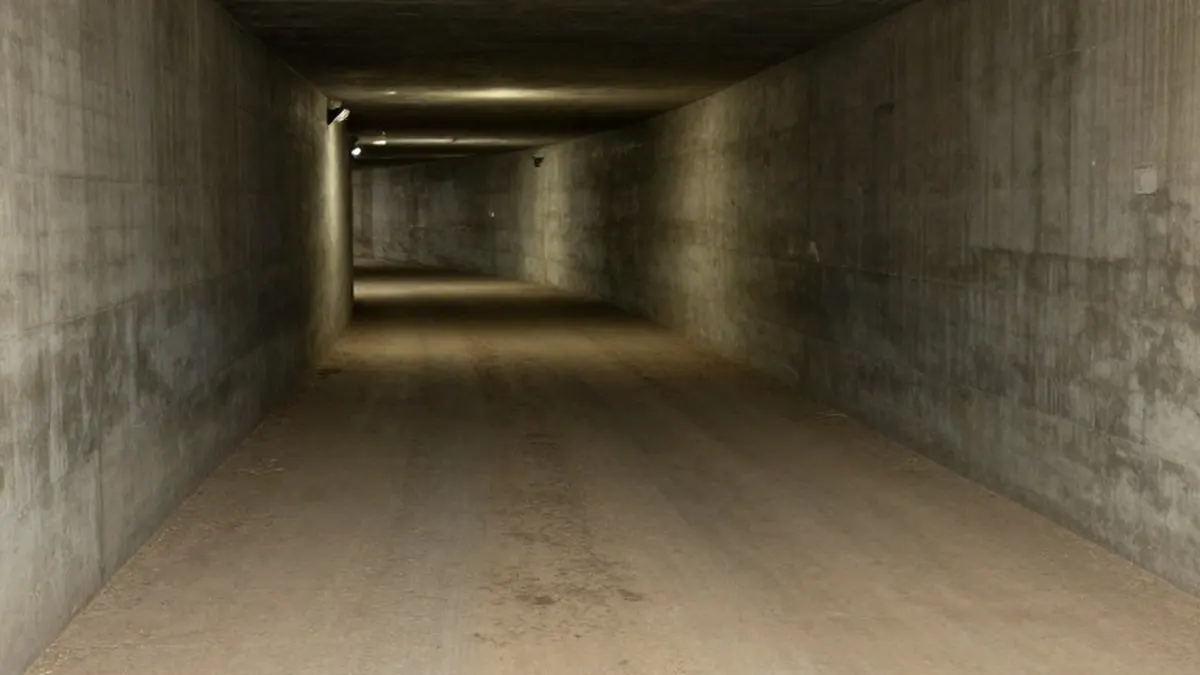
In another Southern Command operation, troops from the Commando Brigade, the Yahalom combat engineering unit and the Shayetet 13 naval commando unit discovered the underground route where Goldin’s remains had been kept during the final years before their return. The military described a passage extending more than 10 kilometers across three levels, with its lowest section 30 meters below ground.
According to the IDF, the tunnel passed beneath a densely populated residential neighborhood near the Philadelphi Corridor and through civilian locations, including a UNRWA compound, mosques, clinics, kindergartens and schools. Soldiers discovered roughly 80 rooms, including command rooms used by senior Hamas commanders to keep weapons, remain underground for extended periods and prepare attacks on Israeli forces. Rafah Brigade commander Mohammed Shabana was among those commanders.
The military said Yahalom and Shayetet 13 completed work to seal the route at the end of June 2026, using more than 30,000 cubic meters of concrete. In its description of that work, the IDF put the route’s length at more than 16 kilometers. Separately, a Nahal Brigade combat team destroyed the shaft used in Goldin’s abduction just hours after his remains were returned in November 2025.
Identification was completed by the National Center of Forensic Medicine alongside the Israel Police and the Military Rabbinate. IDF representatives then notified Goldin’s family that his remains had been returned for burial.
The IDF said the recovery effort stretched across the previous decade and intensified during the war, combining intelligence work with operations on the ground led by the military and the Shin Bet. It also credited the effort with contributing substantially to the defeat of Hamas’s Rafah Brigade and to other military achievements in the area.