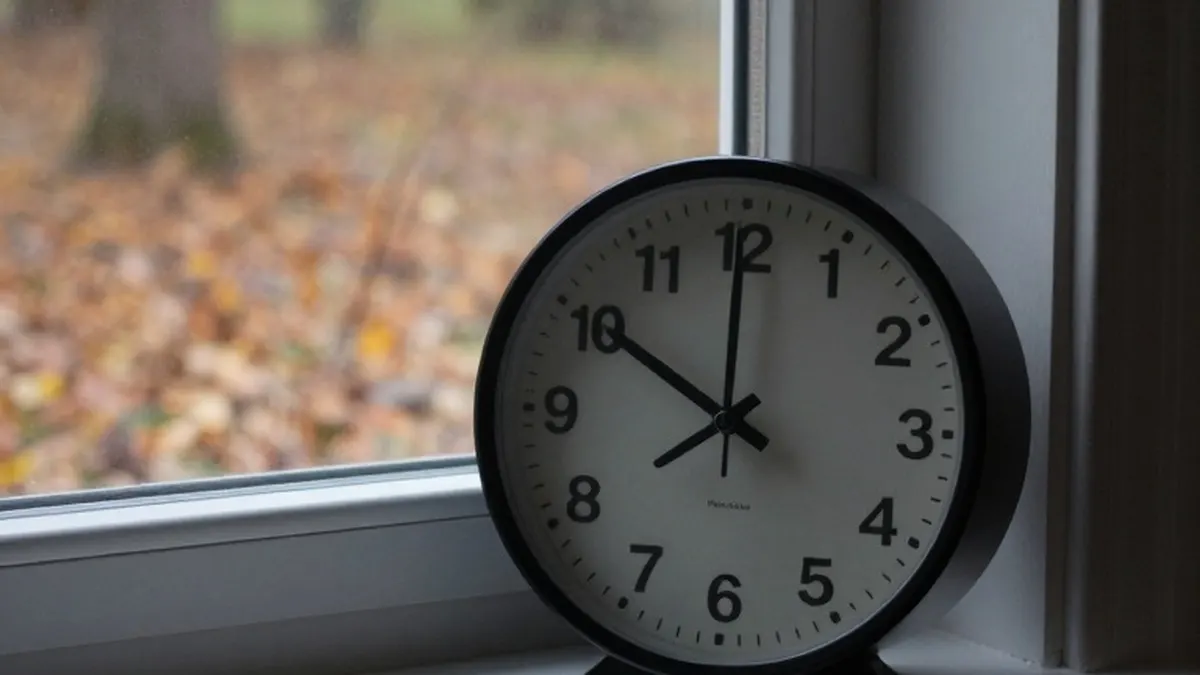
Americans are set to turn their clocks back one hour on Sunday morning as legislation that could change the twice-yearly routine remains stalled in Congress. The Sunshine Protection Act cleared the House in July, but opposition in the Senate has prevented it from advancing despite repeated appeals from President Donald Trump.
The bill would give states the option to observe daylight saving time throughout the year. It passed the House by a vote of 307 to 117, with majorities of both parties supporting it. The opposition included 22 Republicans and 95 Democrats. That bipartisan result has not translated into agreement in the Senate, where lawmakers from both parties have raised resistance.
Trump renewed his demand for Senate action earlier this week while traveling to key states and reliably Republican areas to encourage voters to keep his party in power. In a Truth Social post, he accused the Senate of allowing the legislation to fail and argued that Americans wanted more evening daylight and an end to clock changes. He urged senators to hold a vote.
The president also directed pressure at Sen. Tom Cotton of Arkansas, a Republican ally who has been a vocal opponent of the proposal. Trump shared Cotton’s cellphone number and encouraged supporters to call him to demand that he help secure the bill’s passage.
Cotton responded that he also disliked changing clocks but opposed permanent daylight saving time because of its effect on winter mornings. He said Congress had adopted the policy multiple times before reversing it after Americans experienced very late sunrises. Cotton argued that Arkansas residents did not want children traveling to school in darkness and said his state’s interests would guide his position.
House Majority Leader Steve Scalise of Louisiana urged the Senate to act in comments to Fox News Digital in early October. He argued that additional evening daylight would give families more time together, support business activity and make communities safer. Scalise also pointed to the House vote as evidence that Republicans had acted on Trump’s push for permanent daylight saving time.
The dispute comes as House lawmakers complain that several measures they have passed have languished in the Senate. After the election, senators will return to a crowded schedule of unfinished legislation, creating another obstacle to finding floor time for the daylight saving proposal.
Senate Majority Leader John Thune of South Dakota told reporters earlier in October that discussions were continuing and acknowledged the president’s strong interest. But he said senators had yet to reach a consensus or identify a clear route to advancing the legislation.