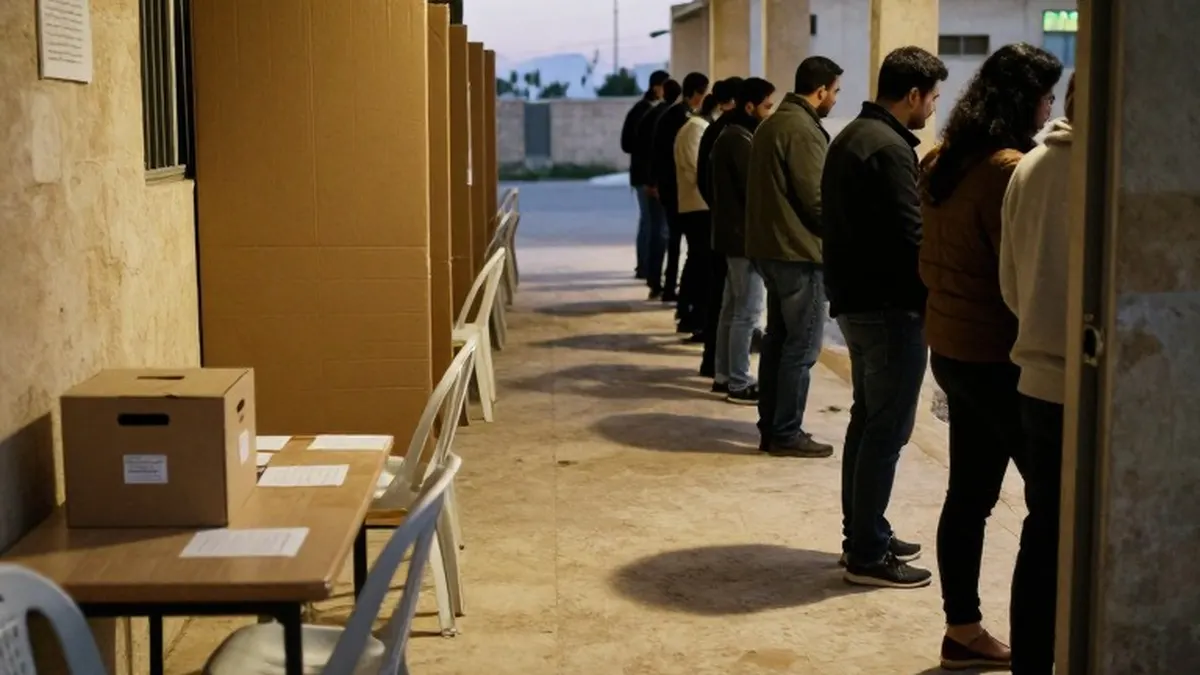
Israelis voted in record numbers on Oct. 27, and ballot counting carried on through the night. Each new official update brought fresh confidence from the two front-runners, Prime Minister Benjamin Netanyahu and challenger Gadi Eisenkot. Neither has yet claimed victory, because neither has the seats to form a workable majority.
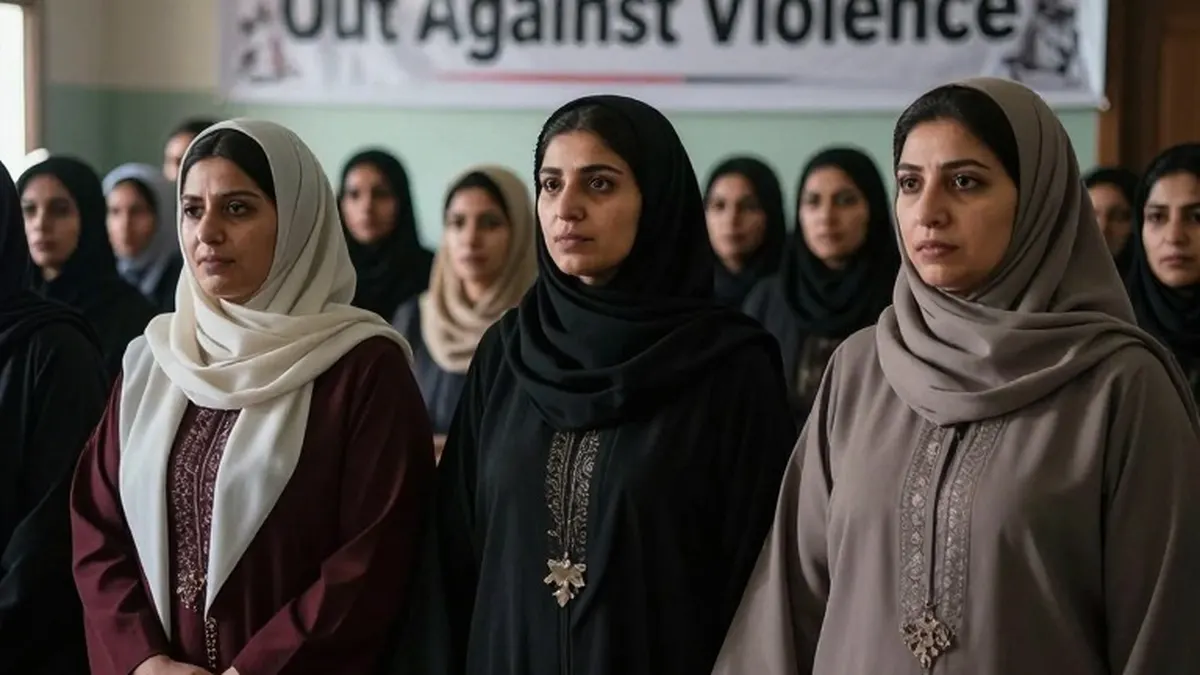
The only route to enough support for either man runs through the Arab parties, an option many Jewish voters find politically distasteful. Those parties won more seats than ever before after turnout of about 80 per cent in Arab communities, making them potential kingmakers. The two main groups are the Joint List, led by Yousef Jabareen, and the United Arab List, known as Ra'am, led by Mansour Abbas.
Speaking on Israel's Channel 13, Jabareen said he was open to joining any party offering a "genuine alternative to Netanyahu's government of bloodshed" in a "Jewish-Arab partnership." Netanyahu struck a different tone. His coalition includes ideological hardliners, ultra-religious Jews and settlers who want to annex Palestinian territory in the Occupied West Bank and Gaza. "We must form a strong right-wing national government," he said, ruling out co-operation with Arab parties.
Eisenkot, a former military chief and retired general, leads the Yashar party and is Netanyahu's main challenger. Much of his backing comes from centrist Israelis who blame Netanyahu for the Oct. 7, 2023 attack, in which about 1,200 Israelis were killed and 251 were taken hostage. They accuse him of ignoring documented warnings and refusing to call an inquiry, and Eisenkot has promised a commission to investigate. His opposition bloc could oust Netanyahu and command a solid Knesset majority if it joined with Arab parties.
Two of his partners, former prime minister Naftali Bennett of B'Yachad and Avigdor Liberman of Yisrael Beytenu, have flatly rejected that idea. Eisenkot has resisted a formal coalition but has been less clear about informal support in parliamentary votes. Arab lawmakers were part of Bennett's 2021 government, but the Oct. 7 attacks changed the landscape. Analyst and pollster Dhalia Scheindlin called the opposition's "self-imposed" reluctance an "arbitrary, and, frankly, racist constraint." A key sticking point appears to be the Arab parties' reluctance to brand Hamas a terror organization. Abbas told Israeli media that "we have condemned every act of terror," and he rejected the "loyalty test."
Arab voters packed polling stations despite threats from hard-line Jewish Israelis, some of whom turned up armed. Netanyahu had warned on social media that Arabs would "steal the election" if his supporters stayed home, an appeal the opposition called "desperate." It appears to have motivated more Arab voters. "We are here to demand change," said Osayadeh Makladeh in the Druze town of Daliyat Al-Karmel.
Arab politicians want to sideline hardline settlers in Netanyahu's cabinet, including National Security Minister Itamar Ben-Gvir, who has a past conviction for incitement to racism. They also want talks on a two-state solution or another resolution in the Palestinian territories, though in Palestinian communities, concerns are often more basic, such as housing, infrastructure and crime.
The arithmetic is difficult for both camps. The Knesset has 120 seats, and no single party has won the 61 needed for a majority since 1948. Both Netanyahu's and Eisenkot's blocs fall well short. Netanyahu, Israel's longest-serving prime minister, has survived similar situations over more than 19 years. He is also on trial for bribery, fraud and breach of trust, has delayed hearings and sought a presidential pardon, and maintains his innocence. After the first exit polls, Channel 12 analyst Amit Segal said Netanyahu "suffered a major blow" and could at best "salvage a tie."
If no clear majority emerges, President Isaac Herzog will ask the leader with the best chance of building a lasting government to try first, and then the rival if that fails. The process could take months and might end in another election, unless the taboo against Jewish and Arab parties governing together in the Knesset is lifted.