Banana producers across Latin America are seeking higher payments to help them withstand climate pressures, as extreme weather linked to this year’s super El Niño drives sharp production losses. Growers and Fairtrade say purchasing terms need to reflect production costs and give farms the resources to adapt.
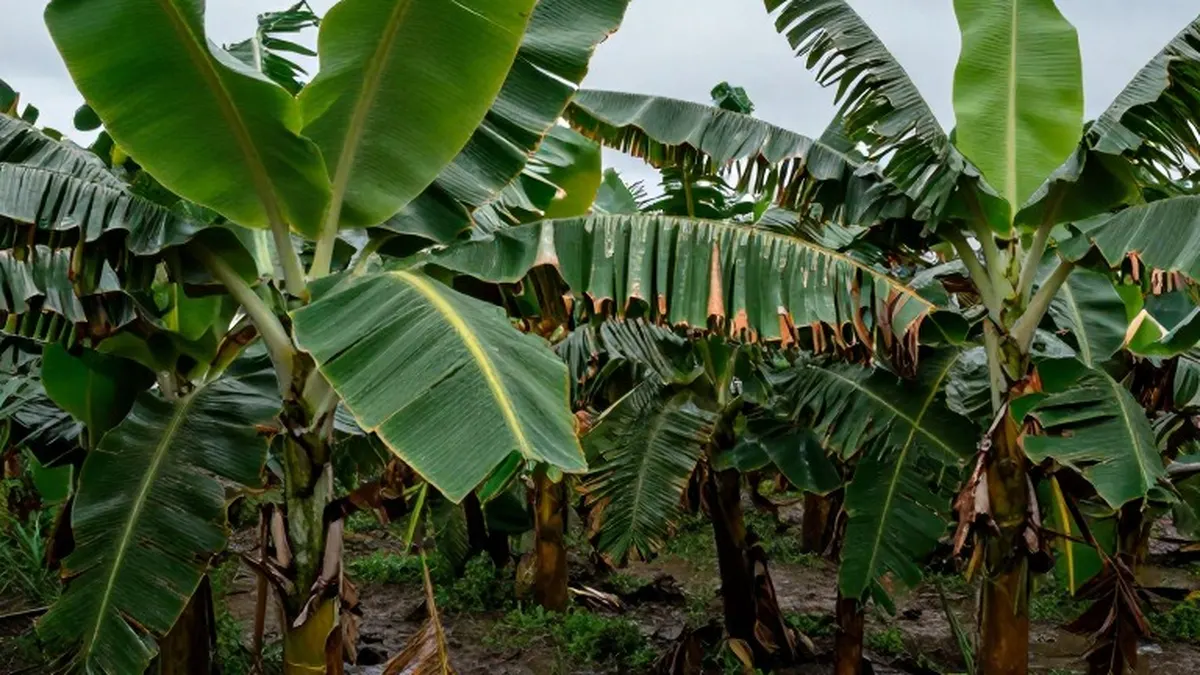
According to the Fairtrade Foundation, strong winds are affecting crops in parts of Colombia, a major supplier to the UK, while heavy rain is disrupting production in Peru and Ecuador. Some Colombian regions are also forecast to experience drought this year. Farmers in the Dominican Republic face expected drought conditions, with temperatures forecast to be higher and rainfall lower than usual.
Earlier El Niño events illustrate the potential damage. Fairtrade research found that productivity among its farmers and workers during the previous cycle fell by 13% in the Dominican Republic, 22% in Ecuador and 6% in Peru compared with the preceding year. In 1983, one of the strongest recorded El Niño events affected 15% of Ecuador’s planted banana area and cut exports by 36%. Dr Carley-Jane Stanton, Fairtrade’s climate and environment lead, expects more severe effects this time than during the 2023-24 cycle.
Recent figures from Colombia point to growing pressure. The Association of Banana Growers of Magdalena and La Guajira, cited by trade publication Fruitnet, reported that exports from the Colombian Caribbean region dropped 32% to $122m (£91m) between July and September. September shipments alone fell 42% compared with a year earlier, while earnings declined from $70m to $40m. The association said weather-related productivity losses and currency pressures were weakening the industry’s economic sustainability.
Workers are also concerned about their livelihoods. Ever Antonio Flores Muños, who works for Colombian banana producer Agrosiete, told Fairtrade that conditions had become much hotter over the past decade. He described losses caused by flooding and strong winds, and warned that worsening conditions would put workers at risk and reduce wages. More extreme weather is also expected to affect worker health.
Fairtrade wants UK legislation to address trading practices including inadequate or late payments and contracts that pass risk down the supply chain. It argues that better terms would allow producers to strengthen crops against severe weather and increasing threats from pests and diseases. Sainsbury’s, the Co-op and Waitrose have voluntarily committed to sourcing only Fairtrade bananas, which carry a guaranteed minimum price, but the organisation says further action is needed.
Fairtrade chief executive Eleanor Harrison said the UK’s banana supply relies on growers having enough resources to adapt and invest. Those demands come as bananas become more difficult and expensive to produce, while supermarket prices have stayed unchanged for almost four decades despite rising fertiliser, fuel and labour costs. Fyffes chief corporate affairs officer Caoimhe Buckley said retail prices must reflect sustainable production costs, including decent wages, environmental management, human-rights due diligence and climate adaptation.
Research from the Ethical Trading Initiative found that payments to 66.7% of suppliers in 2026 failed to cover even basic production costs. It called for greater support to help producers adapt to or mitigate climatic changes. Research for the Inter-American Development Bank, published in 2020, suggested that suitable banana-growing land across Latin America and the Caribbean could shrink by an average of 61% by 2050.