
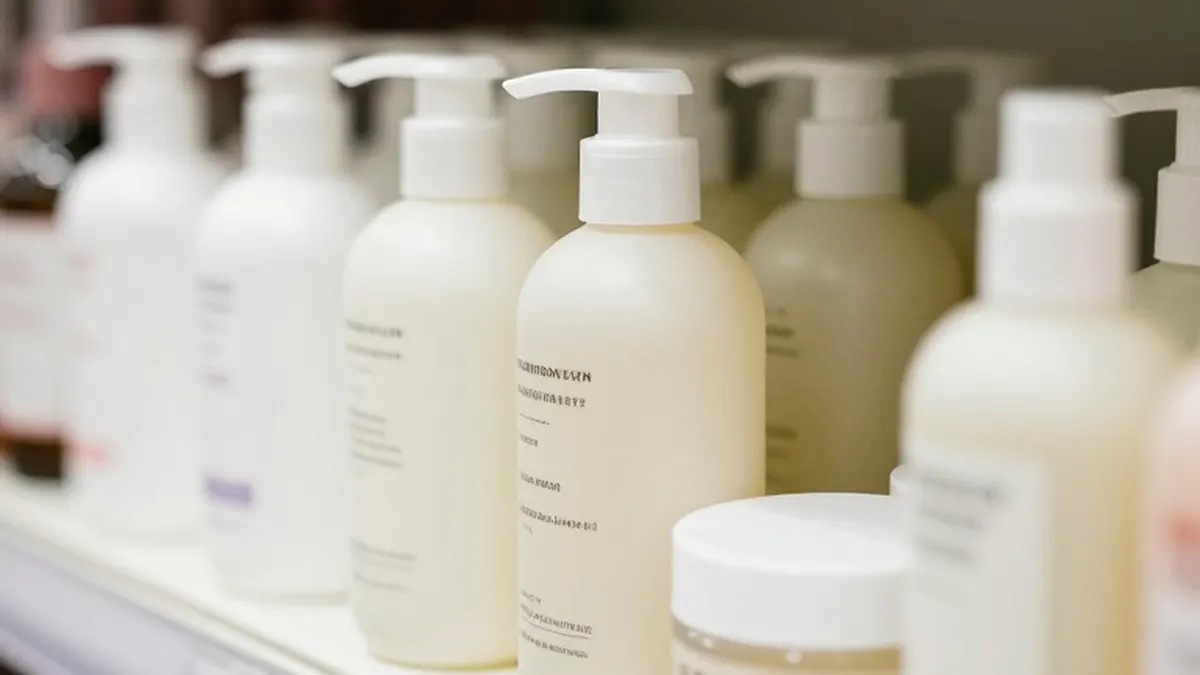
American consumers are facing a significant increase in the cost of beauty and personal care items as the industry grapples with multiple economic headwinds. As the holiday shopping season approaches, companies report that rising transportation expenses, new tariffs, and higher raw material costs are eroding profit margins. These pressures suggest that shoppers may need to pay more for skin care, makeup, and other essentials in the coming months.
According to a 2023 survey by LendingTree, the average American spends approximately $1,754 annually on beauty products, cosmetics, and related services. This substantial expenditure makes the recent price hikes particularly noticeable for households already managing tight budgets. The financial strain is evident across the supply chain, from manufacturing to final delivery.
Industry professionals gathered at the Beauty Connect LA conference in downtown Los Angeles to discuss these challenges. Brennen McMullin, chief financial officer of logistics company QuickBox Fulfillment, noted that the market is moving slower than anticipated for this time of year. He explained that higher transportation costs force companies to decide whether to absorb the expenses or pass them on to consumers, a difficult choice given the current softness in consumer spending.
The impact of tariffs has also been quantified. A survey by Carrara Advisory revealed that 14 major beauty and personal care companies estimated that tariffs imposed by the Trump Administration contributed to $440 million in lost profits in 2025. Additionally, rising fuel prices linked to the war in Iran have created further financial challenges for manufacturers and retailers alike.
Evonne Forman, a retail strategist for the luxury brand Homecourt, which was founded by actress Courteney Cox, stated that her company has chosen to absorb these additional costs rather than raising prices immediately. Forman expressed a desire to maintain customer loyalty, believing that the long-term benefits of keeping prices stable outweigh the short-term financial impact.
However, not all companies have the resources to take such an approach. Federal data from the U.S. Bureau of Labor Statistics indicates that prices for personal care products rose by 3.1% between July 2025 and July 2026. In response, some shoppers are turning to more affordable alternatives, such as Korean beauty products, often referred to as K-beauty.
Jooup Hwang, founder of the Korean skin care brand Mixsoon, noted that sales in the U.S. market are growing despite higher fuel costs. Speaking through an interpreter, Hwang explained that Korean products often provide comparable results to traditional expensive cosmetics but at a lower production cost. This makes them an attractive option for consumers looking to save money without sacrificing quality.
The cost pressures extend beyond logistics and energy. The price of polypropylene, a plastic used for caps and pumps, surged by 48% following the start of the war with Iran. Silicone, a common ingredient in many cosmetics and skincare products, has also seen price increases ranging from 10% to 30% from major chemical manufacturers.
Procter & Gamble, a consumer goods giant, expects higher costs for raw materials, energy, and transportation to reduce its bottom line by approximately $1.4 billion this fiscal year. Major manufacturers have warned that these pricing pressures could persist into next year, meaning consumers may continue to face higher costs for beauty products.
To manage these rising prices, experts suggest several strategies for saving money. Shoppers are advised to focus on active ingredients rather than brand names, consider purchasing items at discount retailers like TJ Maxx, Costco, and Nordstrom Rack, and take advantage of sales events at major beauty stores. Additionally, signing up for loyalty programs and researching drugstore alternatives that mimic luxury formulations can help stretch a beauty budget.





