Blue Origin, the space company founded by Jeff Bezos, has postponed the return to flight of its flagship New Glenn rocket to January 2027, slipping past its previous goal of launching again before the end of this year as it works to recover from a major explosion in May.
CEO Dave Limp informed employees of the new schedule in a memo on Wednesday, attributing the delay to setbacks in reconstructing the company's launch pad at Cape Canaveral, Florida, including poor weather during the summer months.
"This small adjustment doesn't diminish what we've accomplished or the importance of the work still ahead," Limp wrote in the memo, which was viewed by CNBC. "Returning New Glenn to flight remains our top priority."
The Financial Times first reported on the memo. A person familiar with the matter, who spoke on condition of anonymity to discuss internal matters, told CNBC the January 2027 target is roughly 10 days later than the company's previous launch goal.
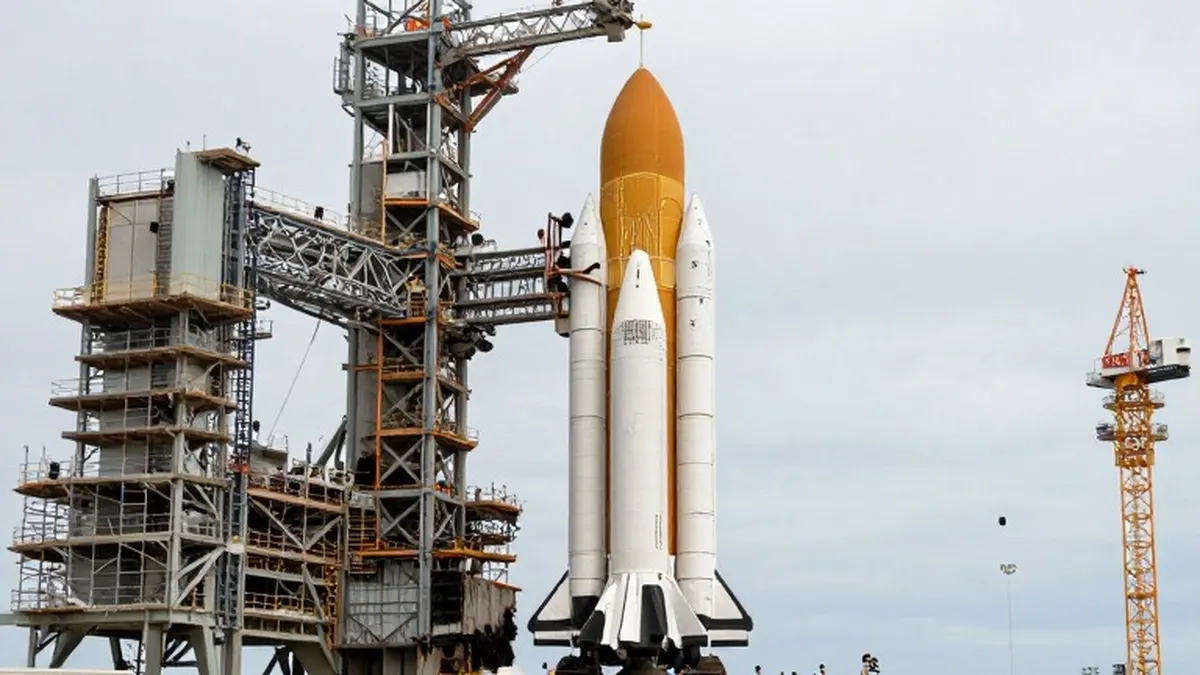
The May explosion took place during a hot-fire test and caused severe damage to Blue Origin's Florida launchpad. At the time, the company had been just days away from a mission to deploy 48 satellites for Leo, Amazon's internet-from-space service.
In the months since, Blue Origin has moved quickly to repair the facility and has reworked its pad configuration. Bezos told Fox News last month that the company was still expecting New Glenn to fly again in December.
Limp said the recovery effort has made great progress, while acknowledging that "rebuilding at this pace hasn't been easy." He praised the workforce in the memo, writing: "Your collective work on our return to flight has been nothing short of remarkable. In just six months, Team Blue has accomplished what many thought would take years."
The timing of the mishap has been particularly awkward for Blue Origin, which has been trying to increase its launch cadence to compete with its chief rival, Elon Musk's SpaceX, for commercial and government customers.
The New Glenn delays have also slowed the buildout of Amazon's Leo constellation, which depends on Blue Origin for part of its launch capacity. Amazon has turned to other providers in the meantime, including United Launch Alliance and Arianespace, a need made more pressing as SpaceX has phased out Falcon 9 launches to focus on testing its enormous Starship rocket.
NASA has awarded Blue Origin several contracts under its Artemis return-to-the-moon program, including work on a lunar lander. Last month, the company also announced new investments in its Florida launch facilities, aiming to support multiple flights per week by the end of the decade.