Drivers in England and Wales have access to a new digital tool designed to streamline the process of reporting cloned number plates. The system allows vehicle owners to notify the police online about fraudulent registrations, with the authorities then informing the Driver and Vehicle Licensing Agency, or DVLA. This development comes in response to a growing number of motorists who have found themselves burdened with fines for offenses they did not commit.
The issue has become increasingly prevalent, with a record 11,400 drivers contacting the DVLA last year regarding unrecognized penalty charges. These complaints were 9% higher than the previous year and nearly double the figures recorded in 2018. Most of these cases are believed to be the result of cloning, where criminals copy a vehicle's registration number to evade detection for illegal driving or to avoid paying fines.
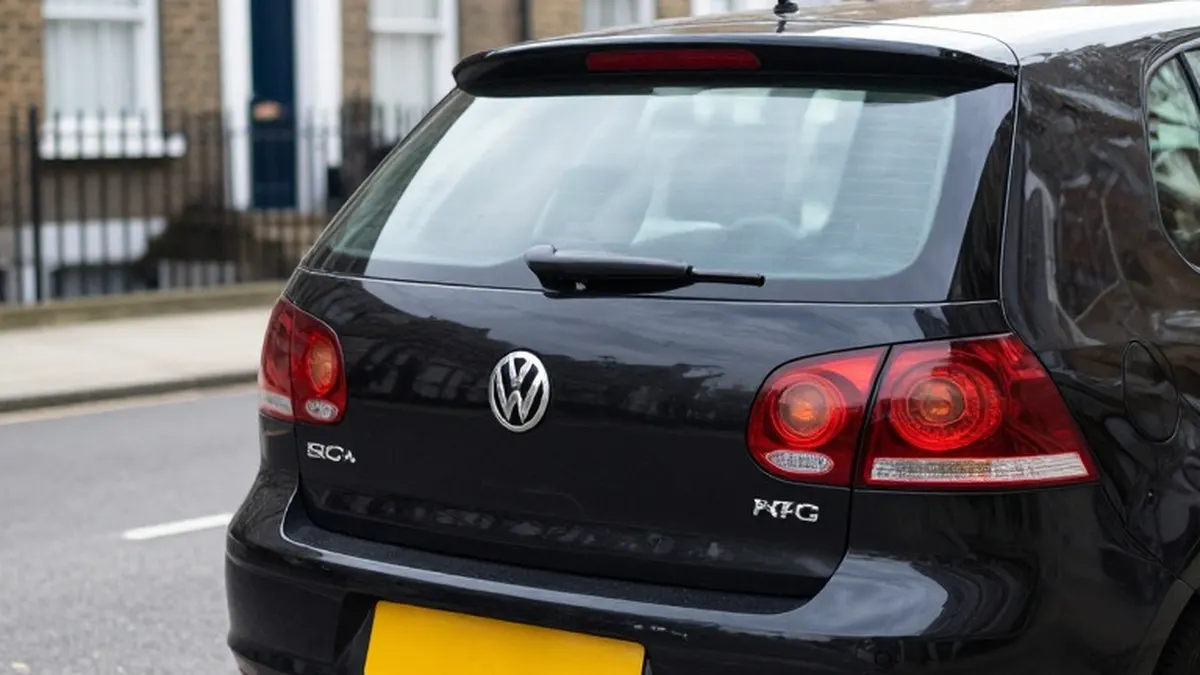
Sandra Yarwood, a resident of London, experienced the frustration firsthand this summer. While she was on holiday in Canada, her black Volkswagen Golf remained parked outside her home. Despite the vehicle not moving, a similar car bearing a fraudulent copy of her registration accumulated penalty notices totaling 2,560 pounds across five different London boroughs. Yarwood now keeps a file approximately two inches thick containing the paperwork related to the 32 fines she received.
The government has introduced consumer guidance to help motorists avoid inadvertently driving with illegal plates. Recent police findings indicate that a third of drivers stopped during number plate operations this year were unaware their vehicles had incorrect registrations. The authorities advise that public members are often unwittingly sold incorrect plates, particularly when purchasing secondhand cars that may have been fitted with cloned numbers by previous owners or sellers.
Justin Madders, the roads minister, highlighted the dual nature of the problem, noting that while criminals deliberately use illegal plates, innocent motorists are also affected without their knowledge. He stated that the new measures aim to make reporting easier and to provide webpages that assist drivers when purchasing number plates or used cars from reputable sellers. These steps are described as small everyday fixes intended to help drivers avoid unwelcome attention from police.
Yarwood’s experience illustrates the difficulty of contesting these charges. It took her months to resolve the situation after the criminals generated the fines in just six days. She noted that she never paid any of the penalties but found the process of proving her innocence to be overwhelming. The fact that she was abroad when the offenses occurred was not considered sufficient evidence on its own.
After reporting the cloned plates, Yarwood’s husband was stopped while driving the car, though she described the interaction as pleasant and unproblematic. The incident serves as a reminder of the lingering risks associated with cloned registrations. If the issue recurs, Yarwood has been advised to change her registration number, a step she describes as a significant undertaking that she hopes to avoid.
The new reporting mechanism is part of a broader effort to address the rising trend of vehicle registration fraud. By making it easier for victims to alert authorities and by providing clear guidance on appeals, the government hopes to reduce the administrative burden on affected drivers. The initiative underscores the need for vigilance when buying used vehicles and for understanding how to respond when a cloned plate is detected.