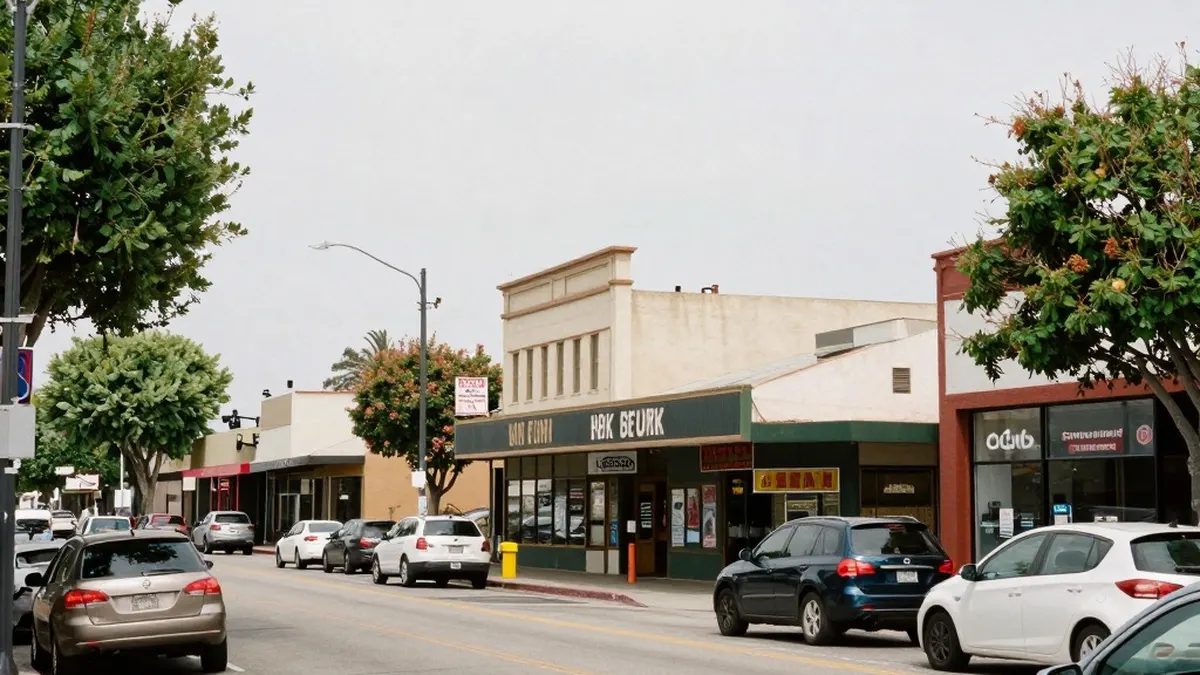
The Huntington Beach Police Department will operate a DUI checkpoint within city limits on Friday, Nov. 13, from 6 p.m. to 2 a.m., the agency announced. The location, which was not disclosed in advance, was selected based on local DUI crash and arrest statistics. Officers will be screening motorists for impairment from alcohol, marijuana, illegal drugs and prescription medications that can affect the ability to drive safely.
Drivers pulled aside at the checkpoint could be investigated for a range of offenses, including driving under the influence of alcohol, driving with a blood alcohol concentration of 0.08 percent or higher, drugged driving involving marijuana or other substances, commercial driver violations, underage DUI, driving on a suspended license and open container violations. Officers may also act on outstanding warrants discovered during a stop. Commercial license holders face a stricter standard and can draw administrative penalties at a blood alcohol level of just 0.04 percent while operating a commercial vehicle.
For a typical first-time DUI offender in Orange County, penalties can include three to five years of informal probation, up to six months in county jail, fines and penalty assessments that often top $2,000, mandatory DUI education classes, license suspension or restrictions and ignition interlock device requirements. The police department estimates a first-time offense can ultimately cost about $13,500 once fees, classes and licensing costs are included. Penalties climb sharply in cases involving injuries, high blood alcohol levels, prior convictions, minors in the vehicle or a refusal to submit to chemical testing.
Auto insurance may be the costliest consequence. After a conviction, many drivers must obtain an SR-22 certificate and are classified as high risk by carriers, with premiums commonly rising 50 percent to 200 percent or more and elevated rates lasting three to 10 years. Some insurers cancel or decline to renew coverage. A driver paying $2,000 a year could see that figure jump to $4,000 or $6,000. Towing and storage add still more: tow charges of roughly $250 to $500, storage fees of $50 to $100 a day and release and administrative charges can push the total past $1,000 before a vehicle is returned.
Checkpoint stops are not limited to impairment. Officers can cite drivers for lacking a valid license, expired registration, missing proof of insurance, seat belt and child restraint violations, defective lights, excessively tinted windows and other equipment problems, meaning sober motorists can still leave with fines and points on their records. Huntington Beach has previously held checkpoints along major corridors and intersections including Beach Boulevard, Warner Avenue, Slater Avenue, Edinger Avenue, Brookhurst Street, Goldenwest Street, Main Street and Pacific Coast Highway.
Police also point out that the fallout from a DUI arrest can reach well beyond the courtroom. Former Dallas Cowboys quarterback Tony Romo became a prominent example this year: after a July 2026 arrest in Wisconsin and a subsequent no-contest plea to an operating while intoxicated charge, CBS Sports announced it had parted ways with him, ending his nine-year run as the network's lead NFL game analyst. Romo also reportedly lost his driving privileges for six months and was ordered to complete an alcohol assessment program.
Motorists approaching the checkpoint are advised to remain calm and courteous, keep their hands visible, provide a driver's license, registration and proof of insurance when requested and follow lawful instructions. Officers are trained to look for slurred speech, bloodshot eyes, the odor of alcohol and problems with coordination, and statements made during a stop can later become evidence in court.
The simplest way to avoid the ordeal is to plan ahead: designate a sober driver, use a rideshare service or taxi, never drive after consuming marijuana or other impairing substances and read warning labels on prescription medications. A rideshare trip typically costs $20 to $50, while a DUI arrest can easily run into the tens of thousands of dollars once legal expenses, fines, towing charges, insurance increases, missed work and licensing penalties are added together.