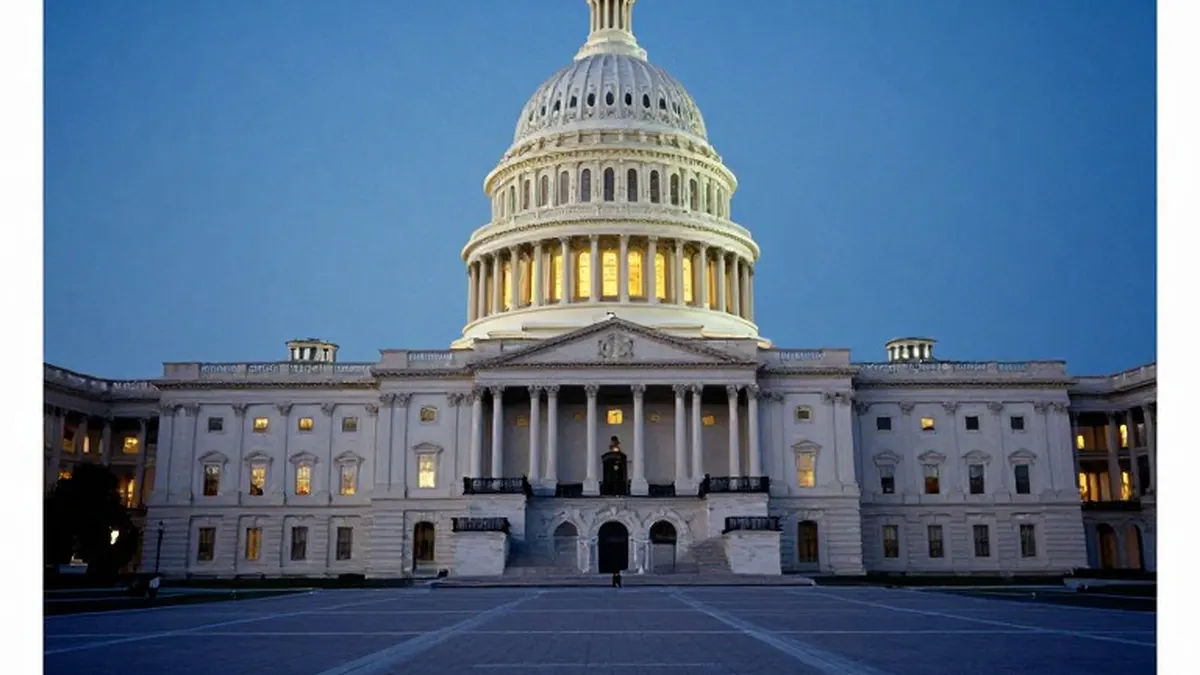
Lawmakers are returning to Capitol Hill this week for the first time since the midterm elections, which have significantly altered the political landscape in Washington. With their majorities effectively ending, Republicans are utilizing this final session to secure leadership positions and manage the immediate threat of a government shutdown. The chamber will also face several high-stakes votes and negotiations before the new congressional term begins in the new year.
House and Senate Republicans are scheduled to hold their leadership elections on Tuesday. In the House, Speaker Mike Johnson is stepping down, prompting a contest between Majority Leader Steve Scalise and Judiciary Committee Chairman Jim Jordan for the minority leadership role. Other Republican positions are also up for grabs, including a challenge by Rep. August Pfluger against Majority Whip Tom Emmer. In the Senate, while elections are set for Tuesday morning, a group of GOP senators led by Ron Johnson of Wisconsin has pushed to delay the process to allow for internal reflection following the party's recent losses.
In a letter to Senate Republican Conference Chair Tom Cotton, Senator Johnson argued that holding elections without a robust discussion on future leadership strategies would be political malpractice. He noted that the party needs serious conversations about the 2028 cycle and the size of their conference, which remains uncertain due to two unresolved races in Mississippi and Alaska. Johnson emphasized that there is no reason to rush the process, especially given the party's stunning defeat in the midterms.
Democrats are also preparing for leadership transitions, with most candidates running unopposed. House Minority Leader Hakeem Jeffries is expected to become Speaker, while Katherine Clark and Pete Aguilar are poised to serve as majority leader and whip, respectively. In the Senate, Minority Leader Chuck Schumer appears to have strengthened his standing following the party's overperformance in the elections, despite previous criticism of his leadership style.
A critical deadline for government funding arrives on December 11, requiring Congress to pass annual appropriations bills or extend current funding. The original deadline of September 30 was already extended to avoid a contentious fight before the elections. Rep. Rosa DeLauro, the top Democrat on the House Appropriations Committee, stated that negotiators will begin working immediately after the election. She expressed a preference for passing all 12 appropriations bills rather than relying on continuing resolutions that extend into the next year.
The funding fight may be complicated by opposition to the ongoing Iran war. Some Democrats are considering using their new leverage to block funds for the conflict, though this risks a shutdown that could persist into the new Congress. Additionally, Congress must pass its annual defense policy bill by year-end, a task made more difficult by scrutiny of Pentagon leadership and the administration's handling of the war.
Tensions have risen further over Defense Secretary Pete Hegseth, whose impeachment articles were introduced in September but pushed to November. With the political environment shifting, some Republicans are reconsidering their support for Hegseth. Rep. Thomas Massie, who introduced the impeachment, plans to force a vote unless Hegseth resigns. Other members, such as Rep. French Hill, are debating whether the issues warrant impeachment or other disciplinary actions.
Republicans are also weighing the possibility of a third reconciliation bill to pass defense priorities without Democratic support. While Senate Majority Leader John Thune remains open to the idea, he noted that the necessary votes may not yet be available. Such a move could jeopardize bipartisan negotiations on appropriations, creating a complex strategic challenge for the party as it navigates the final days of its current control.
The Senate will also focus on confirming administration and judicial nominees before Democrats take control of the chamber. A long-sought permitting reform bill is expected to move forward following a bipartisan deal reached earlier in the fall. With a condensed timeline and multiple competing priorities, the lame-duck session promises to be a busy and contentious period for Congress.