Crete, the largest island in Greece, is experiencing a significant surge in tourism, with a particular emphasis on its growing appeal to Israeli travelers. Located less than two hours by air from Tel Aviv, the island has long been a popular destination for its beaches, cuisine, and hospitality. However, the nature of Israeli tourism to the region is shifting from a focus on affordable, all-inclusive packages to a broader interest in luxury experiences and diverse cultural offerings.
Recent data indicates a substantial increase in visitor numbers. Approximately 180,000 Israelis visited Crete in 2025, and current estimates suggest that the number will reach 250,000 by the end of October 2026. While final official figures are pending, regional tourism authorities report that this marks a record year. Dr. Kyriakos Kotsoglou, the Tourism Authorized Councilor for the Region of Crete, attributes this growth to improved air connectivity, competitive pricing, and the expansion of the local hospitality industry.
Kotsoglou noted that new direct flights, luxury resorts, and private villas have made the island attractive to travelers with varying budgets. He also pointed to high domestic vacation costs in Israel as a contributing factor. Israeli Tourism Minister Haim Katz recently suggested Greece as a cost-effective alternative, further boosting interest. The island’s overall tourism sector is also thriving, with expectations that total arrivals, including cruise passengers, will exceed 7.5 million in 2026, representing a growth rate of more than 6%.
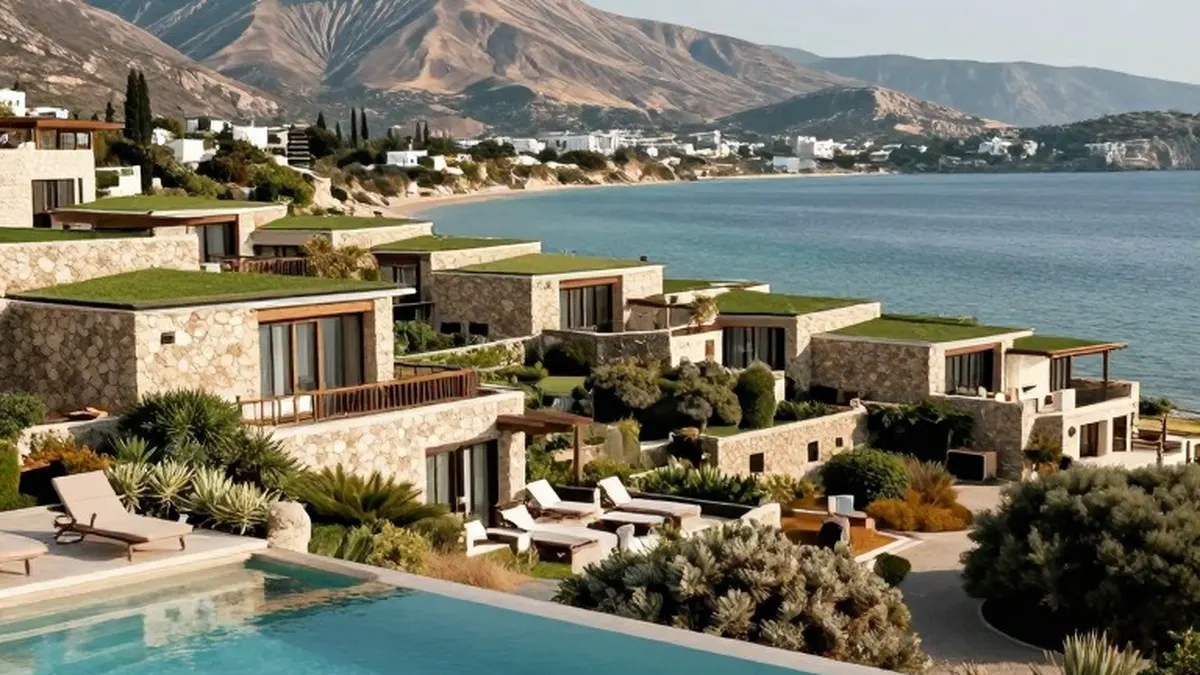
The transformation is particularly evident in western Crete, specifically in the Chania region. The number of five-star hotels has increased from 33 before the pandemic to 51 in 2024, while four-star establishments have grown from 78 to 102. International hotel brands are increasingly investing in the area. A prime example is the recently opened JW Marriott Crete Resort & Spa in Marathi, a coastal village near Chania. The property features 160 rooms and villas with private pools, incorporating local stone and native vegetation to blend with the environment. Sustainability is a core component of the design, with green roofs and photovoltaic systems integrated into the structure.
Aris Moustakas, the general manager of the JW Marriott, explained that the resort was developed by local owner Antonis Vasilakis, who shifted his original plan for a private residence into a luxury hospitality project during the pandemic. The resort aims to offer a quieter, nature-connected form of luxury. Approximately 15% of the guests are Israeli, although Americans remain the leading nationality. Around one-third of visitors are members of the Marriott Bonvoy loyalty program.
Meanwhile, Rethymno, a historic coastal city between Chania and Heraklion, is undergoing its own revival. Once overlooked in favor of larger resort centers, the city is now attracting attention for its Venetian harbor and 16th-century fortress. Michalis Minadakis, general manager of the Nautilux Rethymno resort, highlighted the strong cultural affinity between Greeks and Israelis as a key driver of tourism. He noted that Crete’s size allows it to accommodate large numbers of visitors without the overtourism often associated with smaller islands like Santorini or Mykonos.
Minadakis observed that word of mouth is a powerful driver, with returning visitors recommending the island for its value and variety. The Nautilux resort, which opened four years ago, features distinctive curved architecture and direct beach access. Israelis currently account for about 12% of its guests. The expansion of private villas and holiday homes is also broadening the island’s appeal, attracting a growing community of Israeli property investors and owners.
The island is also working to extend its tourism season beyond the traditional summer months. Blue Bird Airways is extending direct flights from Tel Aviv to Heraklion into the autumn and winter, promoting affordable city breaks. Heraklion is being positioned as a year-round destination with its own cultural and commercial attractions. Additionally, the construction of a new international airport at Kastelli is underway. The planned facility will include a 93,000 square meter terminal and a runway capable of handling over 15 million passengers annually, signaling long-term infrastructure ambitions.
Events like the Bateleur Festival, which recently took place at the Elounda Bay Palace, are also adding new dimensions to the tourism landscape. The four-day event combined electronic music with wellness activities, attracting hundreds of participants. This diversification allows Crete to offer multiple distinct holiday experiences, from beach relaxation to urban exploration and wellness retreats. As the island continues to evolve, it is retaining its reputation for affordability while adding layers of international luxury and sophistication.
The convergence of improved infrastructure, diverse accommodation options, and strong cultural ties has solidified Crete’s position as a premier Mediterranean destination. For Israeli travelers, the island offers a dynamic mix of familiar hospitality and new, high-end experiences, ensuring that each visit reveals different aspects of the Greek paradise.