Dearborn city leaders are moving beyond traditional repaving efforts, proposing a comprehensive redesign of key local streets to prioritize safety and modernize infrastructure. Mayor Abdullah Hammoud has introduced a vision that rethinks the physical layout of roads, aiming to create an environment that is more accessible and secure for all residents.
The initiative is supported by a recently approved $100 million road budget, which funds the renovation of approximately 40 miles of city roads. Hammoud is challenging residents, city council members, and engineering teams to think beyond standard maintenance. He has described the project as an opportunity to approach the city’s infrastructure with a blank slate, asking stakeholders to consider what changes would be possible if the existing constraints were removed.
Among the specific concepts under review are protected bike lanes, narrower through-traffic lanes, and increased greenery along roadways. These design elements are intended to naturally slow vehicle speeds and improve the overall safety of neighborhoods. The mayor noted that the current road layouts have not kept pace with modern needs, observing that many were designed decades or even a century ago.
Local residents have expressed strong support for the proposal, citing traffic speed as a significant daily concern. One longtime resident, who has lived in Dearborn for 82 years, stated that she has grown fearful of driving due to the presence of children and the pace of traffic. She emphasized that the current conditions require immediate attention to ensure safety.
Another resident highlighted a specific issue on neighborhood streets, noting that drivers frequently travel at speeds of 36 to 40 miles per hour on roads with a 25 mph speed limit. These anecdotes underscore the urgency that many community members feel regarding the need for physical changes to the street environment to encourage more cautious driving.
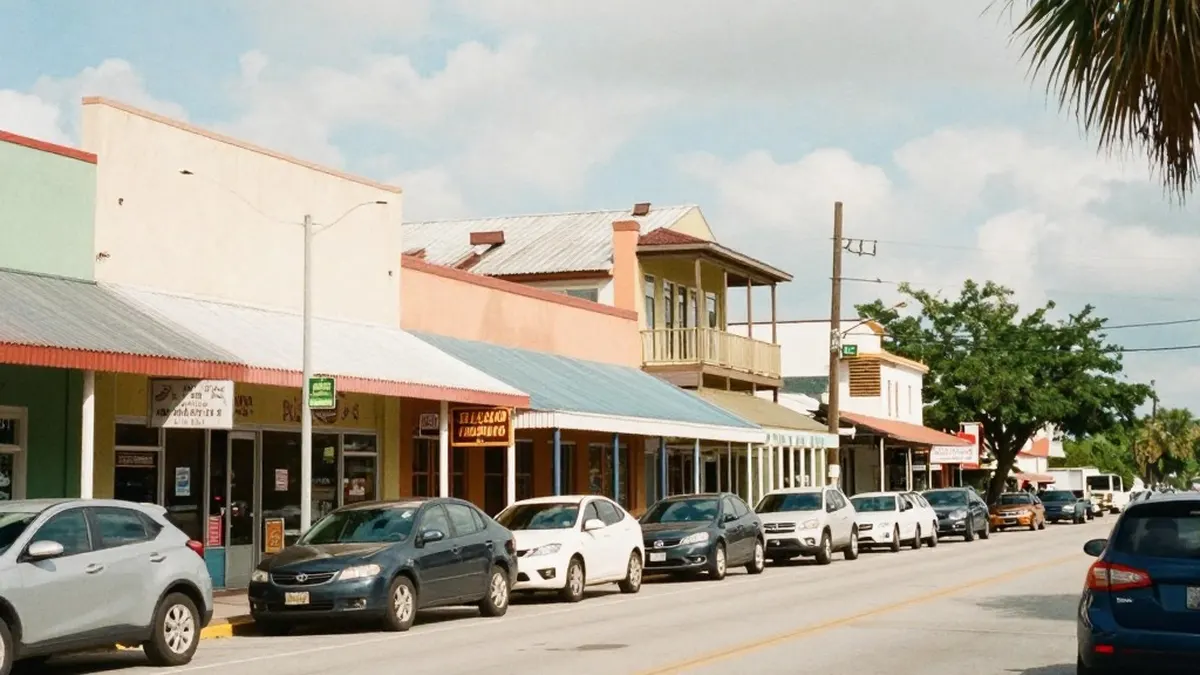
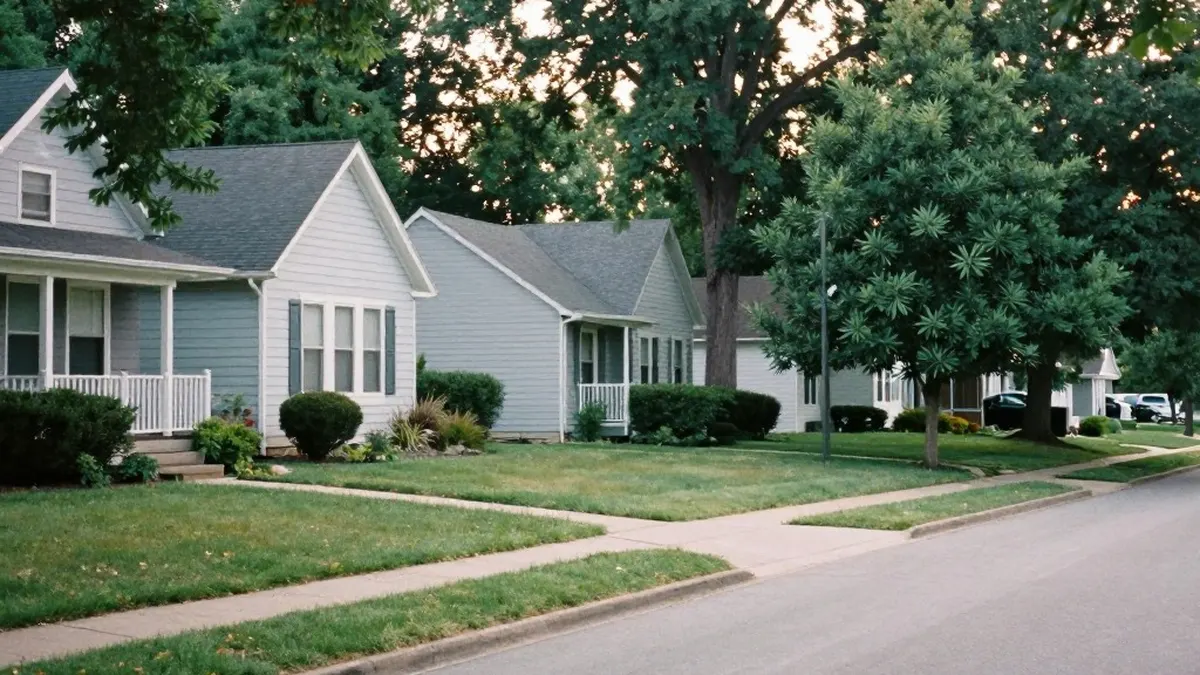
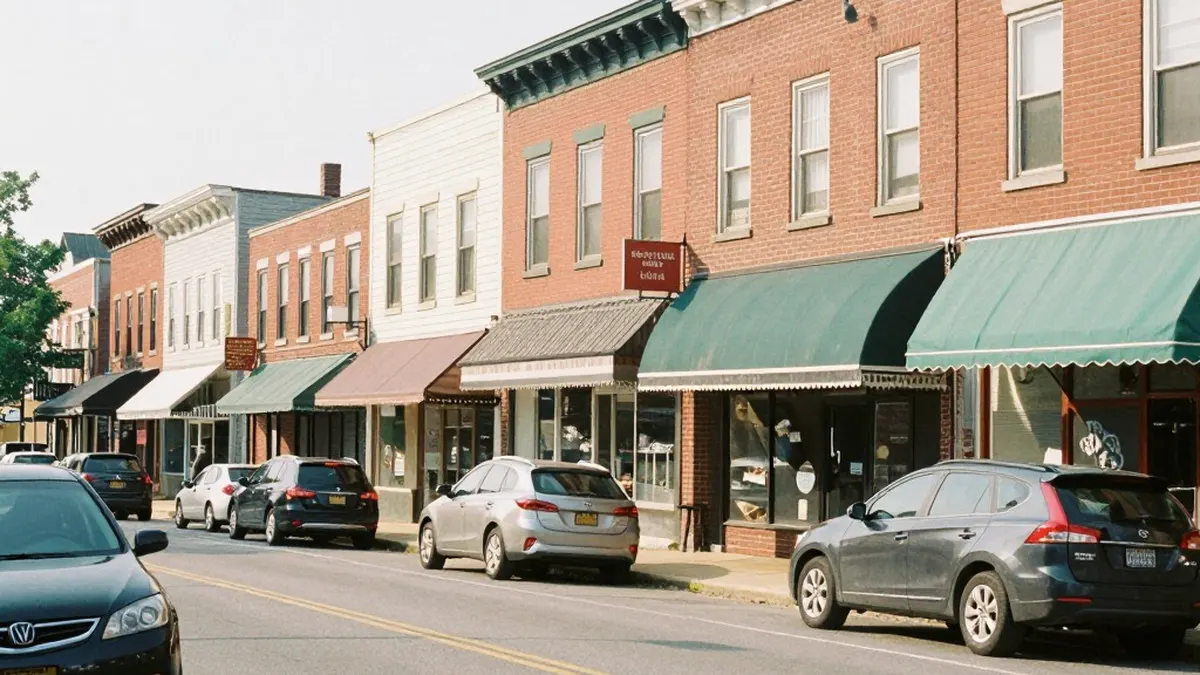
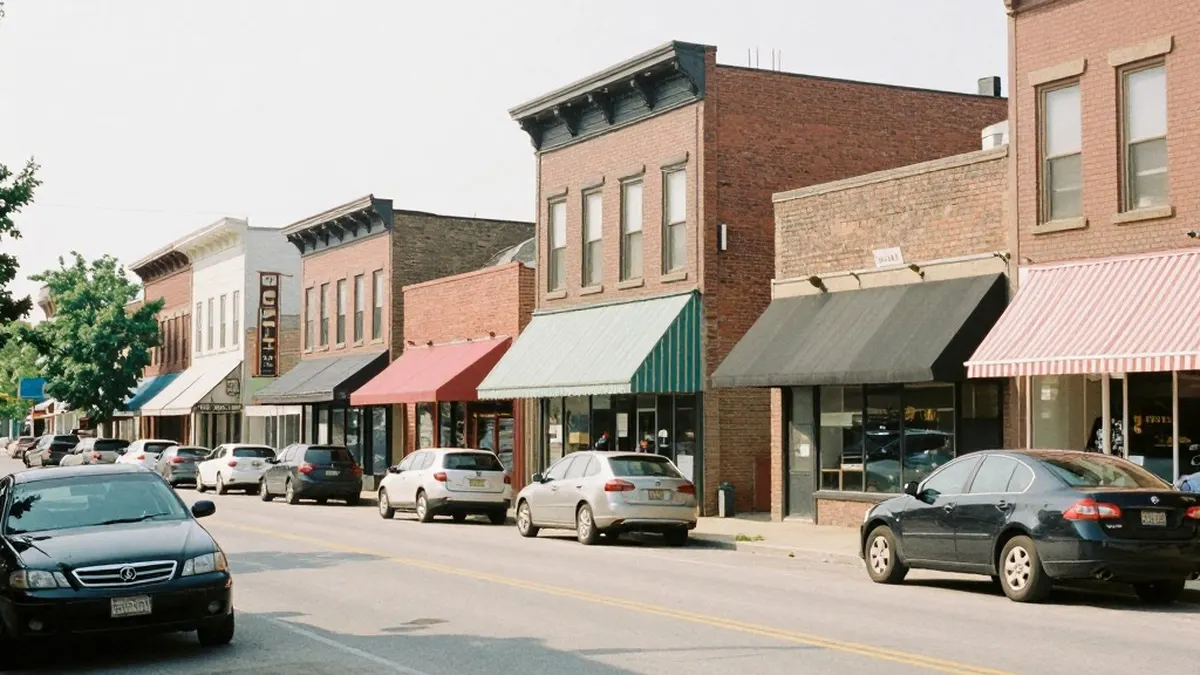
To illustrate potential outcomes, Mayor Hammoud shared an AI-generated rendering of Military Street. While the image is not a finalized plan, it provides a visual preview of how redesigned roads might look. Other streets currently part of the early conversation include Outer Drive, Michigan Avenue, Monroe, and Golfview Drive.
The proposal has generated a mixed response from the community, a reality that Hammoud acknowledges candidly. He reported that some residents appreciate the idea of pushing traffic further away from homes, while others who rely heavily on the roads prefer to maintain as many lanes as possible to avoid congestion. This divide highlights the complexity of balancing safety with traffic flow efficiency.
Hammoud emphasized that the project is still in the discussion phase and is not yet a finalized decision. The goal is to address the varied concerns of different groups and arrive at a solution that makes streets safer for everyone. He is encouraging residents to participate in the process to ensure their voices are heard during this critical planning stage.
One resident summarized a common sentiment by expressing support for the project, provided it does not result in higher taxes. This condition reflects a broader desire for improved infrastructure that is financially sustainable for the average taxpayer.
City officials are inviting public feedback to guide the next steps of the project. Residents can submit their thoughts by emailing [email protected] or by engaging with the city’s official social media accounts at @Dearborngov across all platforms.