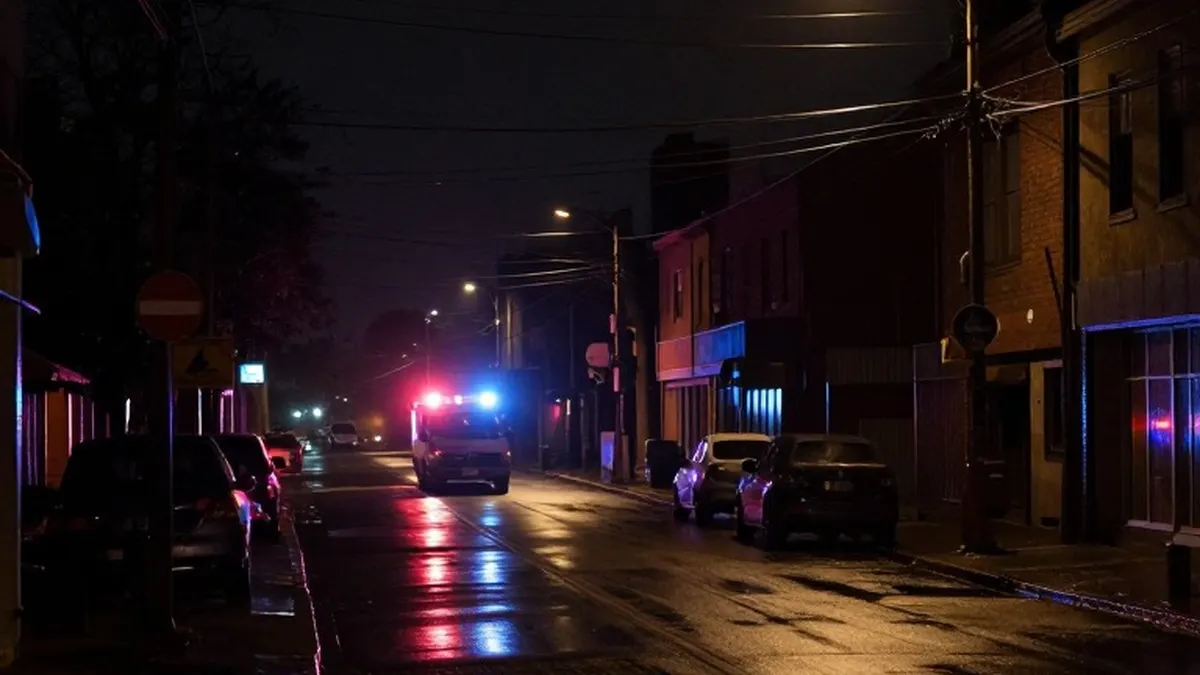
The number of people killed in a Russian airstrike on an aid distribution point in Ukraine's southeastern Zaporizhzhia region has risen to 53. Acting regional governor Mykhailo Semikin announced the updated figure on Friday, noting that search and rescue operations in the village of Komyshuvakha have entered their fifth day. This incident has become one of the deadliest attacks on civilians in Ukraine this year. Previously, the national Emergency Service reported 50 deaths, explaining that recovery efforts continue despite challenging conditions and the ongoing risk of further Russian bombardment.
In addition to the heavy loss of life in Zaporizhzhia, Ukrainian energy infrastructure sustained fresh damage. Deputy Energy Minister Artem Nekrasov reported that new power outages affected seven regions overnight and into Friday morning. The areas experiencing disruptions include Vinnytsia, Dnipropetrovsk, Zhytomyr, Zaporizhzhia, Kyiv, Kharkiv, and Chernihiv. Nekrasov described the situation as most difficult in the capital region, where utility workers are forced to impose network restrictions due to extensive damage to the grid.
The Russian military acknowledged its role in the recent infrastructure attacks. The Defence Ministry stated on Telegram that it struck an energy storage battery facility in the Kyiv region and a cargo vessel at the Black Sea port of Odesa. Moscow claimed both targets were serving military purposes, although the strikes contributed to the broader pattern of damage affecting civilian services across the country.
These military developments occurred just a day after a notable diplomatic gathering at the White House. Several Russian and Ukrainian officials attended a meeting organized by First Lady Melania Trump to commemorate a six-day ceasefire in the Russian-controlled town of Oleshky in southern Ukraine. During this pause in fighting, which the U.S. first lady helped broker, nearly 800 residents were escorted out of the small city. Kremlin spokesperson Dmitry Peskov described the gathering as very positive, emphasizing the continued willingness of both sides to pursue humanitarian cooperation.
Ukrainian leadership has also expressed appreciation for the diplomatic efforts. President Volodymyr Zelenskyy signed a presidential decree this week awarding Melania Trump the Order of Princess Olga, 1st class. The citation recognized her significant personal contribution to humanitarian support, including work to assist Ukrainian children who were deported or forcibly moved from Russian-occupied territories.
U.S. President Donald Trump has expressed optimism regarding the path to a resolution, particularly ahead of scheduled talks in Abu Dhabi. The U.S., Ukraine, and Russia are set to meet in the United Arab Emirates early next week as the conflict approaches its fifth anniversary. Trump confirmed he held private discussions with Kirill Dmitriev, the Russian envoy for President Vladimir Putin, but did not disclose the specific details of their conversation.
Speaking to reporters at the White House, Trump suggested that a comprehensive settlement might involve the entire continent. He described the potential outcome as a big and beautiful agreement that would extend beyond Ukraine to include all of Europe, expressing confidence that all parties would be pleased with the result. This stance aligns with his frequent predictions of a deal to end what is currently the deadliest conflict in Europe since the Second World War.
High-level diplomatic coordination continues between Washington and Berlin. The German government confirmed that President Trump spoke by phone with German Chancellor Friedrich Merz on Thursday. A spokesperson for the German government noted that the call took place against the backdrop of long-standing preparations for the negotiation format in Abu Dhabi, with potential future talks in other locations.
Despite recent political shifts in the United States, including a poor performance for the Republican Party in the recent midterms, President Trump retains significant influence over the conflict for the next two years. Moscow is looking to Trump to pressure Kyiv into accepting a deal that aligns with Russian conditions, such as full control of the Donbas region and a prohibition on Ukraine joining NATO. In contrast, Kyiv has firmly rejected the idea of surrendering any territory it currently holds.
The combination of escalating military strikes and intense diplomatic activity highlights the complex dynamics of the war. While humanitarian efforts continue to save lives in the Zaporizhzhia region, the broader energy crisis and the upcoming international talks suggest that the path to a lasting peace remains intricate and heavily negotiated.