Turkey has outlined plans to change how it produces and uses energy as it prepares to host the COP31 climate summit next week. Energy Minister Alparslan Bayraktar presented targets for expanding cleaner power and electricity use, with world leaders set to gather in the Mediterranean city of Antalya amid scrutiny of the host country's dependence on fossil fuels.
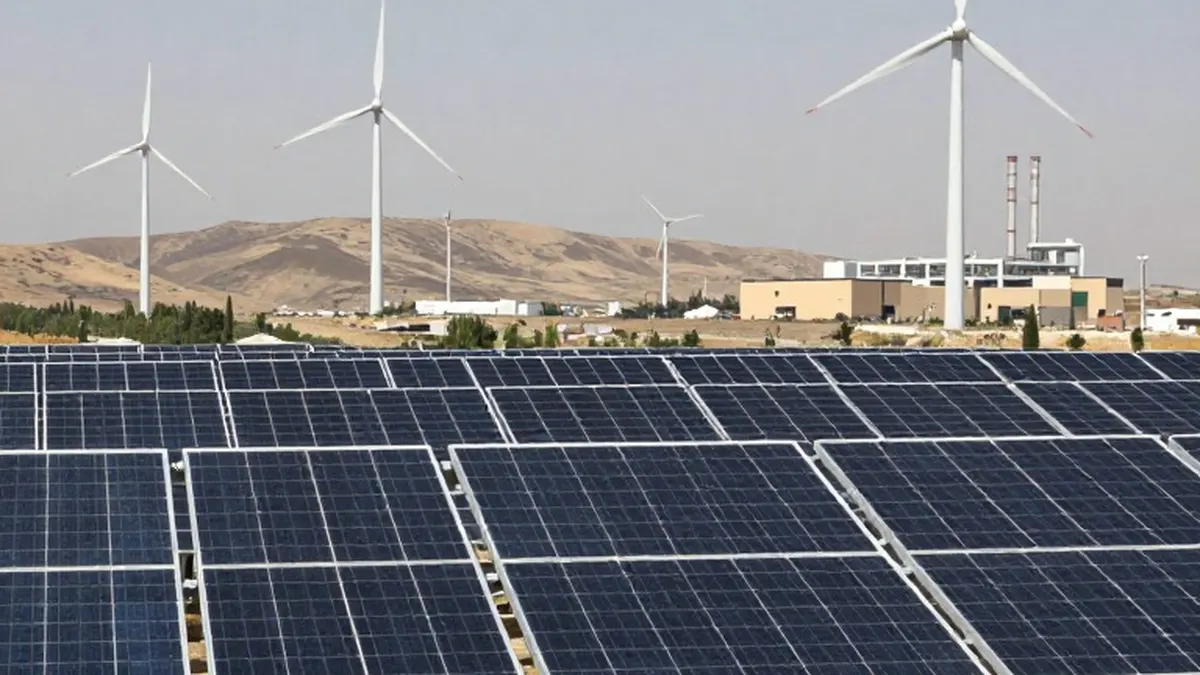
The National Energy Plan 2040, detailed to reporters in a presentation made public Friday, is intended to support Turkey's commitment to reach net zero emissions by 2053. Bayraktar said the country aims to cut emissions by 40% by 2040 and reach 36% electrification that year. He said solar and wind energy use would grow more than fourfold over the next 13 years.
Transport would be a major part of that change. Speaking at a news conference in Istanbul, Bayraktar said the number of electric cars on Turkish roads would rise from roughly 500,000 to 20 million over the next 13 years. He described the broader ambition as a “paradigm shift” in the country's energy use, requiring an extensive program of projects.
The financial requirements are substantial. Bayraktar put the investment needed over the next 13 years at $500 billion, including about $210 billion from Turkish public sector companies. Much of the remaining funding would come from foreign investment. He called for shared responsibility in financing efforts to address climate change and achieve carbon neutrality.
Coal remains central to Turkey's electricity supply. Energy think tank Ember identifies the country as Europe's biggest coal power generator, while Energy Ministry figures show coal supplied 33% of its electricity last year, more than any other source. Solar and wind together accounted for nearly 23%. Bayraktar said coal was still needed to ensure security of supply even as the country sought cleaner alternatives.
The minister also stressed the need to protect communities whose livelihoods depend on mines and power stations. He said coal mining provides employment for at least 30,000 to 40,000 people and acknowledged the difficulty of moving those workers into fields such as artificial intelligence or other advanced technologies. A fair transition period would be necessary, he said.
Natural gas will continue to feature in Turkey's energy supply for the foreseeable future. The country recently began drilling Black Sea gas reserves, and Bayraktar said annual production would double to 7.5 billion cubic meters in the coming years. Nuclear power is another priority: the Akkuyu plant on the Mediterranean coast is approaching operation, and another station is planned near the Black Sea. Bayraktar said these projects would support the goal of energy independence by 2040.
Bayraktar said sanctions connected to the wars in Ukraine and Iran were complicating climate efforts during unsettled conditions in energy markets. Meanwhile, Climate Action Tracker rates Turkey's climate policies and targets as “critically insufficient” against the goals of the 2015 Paris Agreement, which seeks to limit warming to 1.5 degrees Celsius, or 2.7 degrees Fahrenheit, above early 1800s levels. For COP31, Bayraktar said his central message would be the need for “responsive and realistic policies” to reach carbon neutrality.