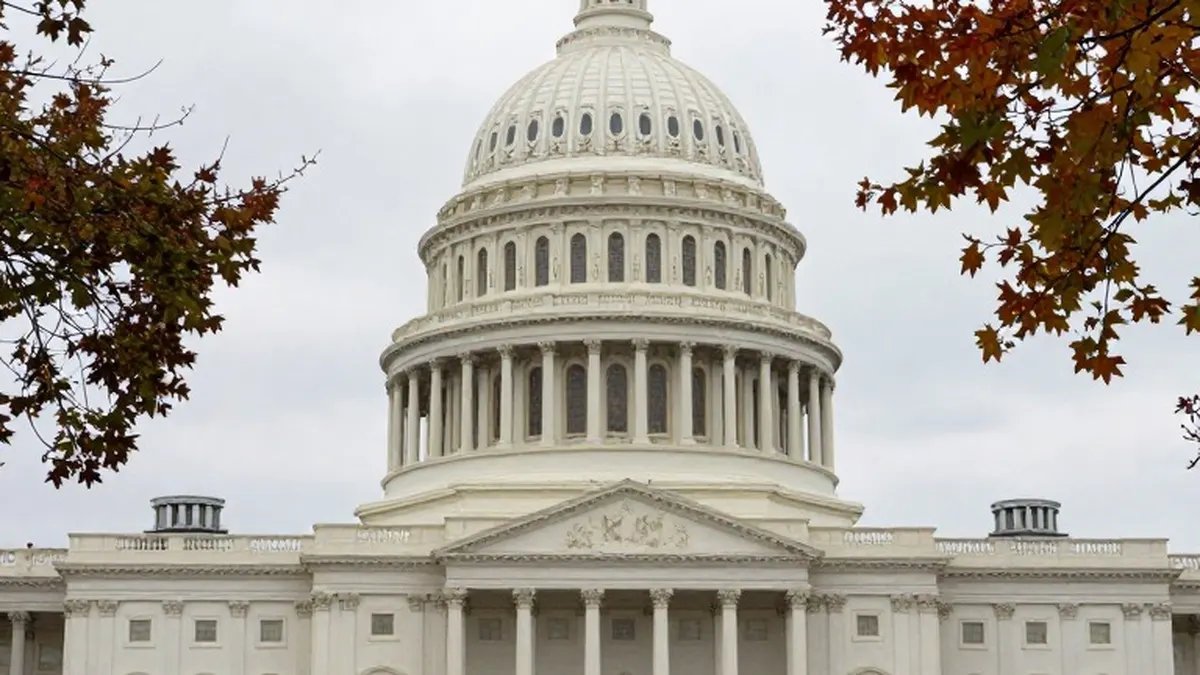
Robert Garcia, the incoming Democratic chair of the House Oversight Committee, stated on Wednesday that President Donald Trump appears to have something to hide following a threat from the White House regarding the committee's planned scrutiny of the administration. The warning came in a letter from White House counsel William Scharf, which suggested that the Democratic party's pledges to investigate the president could potentially cross the line into blatant criminality.
Garcia vowed to continue with the oversight efforts despite what he described as baseless threats. He emphasized that the authority of Congress is derived from Article I of the Constitution, a power that is inherent in the legislative process and does not require permission from the executive branch. In a public statement, he noted that the American people voted for representatives to pass laws to root out corruption and abuse, accusing the administration of using threats of unconstitutional attacks against Congress.
The dispute arises against the backdrop of last week's midterm elections, where corruption emerged as a significant issue for voters. An NBC News exit poll indicated that while the economy was named most often as the country's top problem, 90 percent of voters identified corruption as a crucial or major factor in their voting decisions. Following their victory, Democrats regained control of both chambers of Congress and will arrive in January with their largest House majority since 2008.
President Trump addressed the election results on social media, stating that he was not responsible for the Republican losses. He later shared an image of a cap embroidered with the word veto, signaling his intent to use his executive powers against the new congressional majority.
In his letter, Scharf argued that congressional inquiries must serve a legitimate legislative purpose and cannot be utilized to punish targets or lay the groundwork for prosecutions. The counsel cited specific public remarks made by incoming Democratic lawmakers as evidence of their intent. He pointed to Representative-elect Richard Ojeda of North Carolina, who expressed a desire to see Defense Secretary Pete Hegseth squirm. Additionally, Scharf referenced Texas representative-elect Katy Padilla Stout, who told witnesses to put makeup on for the cameras, and Representative Yassamin Ansari of Arizona, who described accountability as eventually ending in jail.
The letter also took aim at Garcia's Lawyer Up campaign, asserting that his intent was not to legislate but to intimidate. Scharf maintained that the administration's position was necessary to ensure the oversight process remained within constitutional bounds rather than becoming a tool for partisan advantage.
Garcia remained unmoved by the legal warnings, describing the Department of Justice as weaponized. He asserted that the legislative branch is co-equal to the executive and would not be deterred by threats from the president's lawyers. The committee plans to press forward with its investigations as the new congressional term begins.
This exchange highlights the ongoing tension between the two branches of government as the new Democratic majority prepares to implement its agenda. The focus on corruption and accountability is expected to drive much of the committee's work in the coming months.
Observers note that the specific examples cited in the White House letter were selected to underscore the perceived aggressive tone of the incoming representatives. However, Garcia believes these comments reflect the public's desire for transparency and rigorous examination of the administration's actions.
As January approaches, the full scope of the oversight committee's plans will become clearer. The confrontation between Garcia and Scharf sets the stage for a potentially contentious relationship between the White House and the new Congress.