Elon Musk was not on any ballot in the US midterms, yet the world's richest man now ranks among the election's biggest losers after spending nearly half a billion dollars to back Republican candidates and keep Texas in the GOP column.
Those bets collapsed as Democrats seized both chambers of Congress and Gina Hinojosa defeated Greg Abbott in the Texas governor's race, making her the state's first Democratic governor in more than three decades. The result amounted to a stinging rebuke of President Donald Trump, a close Musk ally whom the billionaire helped elect. Texas is home to Musk's automaker Tesla, his rocket and AI company SpaceX, and a planned chipmaking venture between the two.
Musk, who urged his followers on X to vote Republican as recently as Tuesday, now faces a resurgent Democratic Party that he has spent years antagonizing. According to multiple reports in US media, Democrats are particularly interested in investigating the months Musk spent in 2025 spearheading the Department of Government Efficiency, known as DOGE. Trump tapped Musk to lead that initiative despite apparent conflicts of interest, since Musk leads several companies subject to government oversight and outstanding regulatory probes.
DOGE's activities led to the widespread dismantling of foreign aid programs, along with allegations that team members breached privacy laws by illegally accessing sensitive data on Americans. Musk has also recently drawn scrutiny from Democratic lawmakers over restrictions on satellite communications used by Ukraine's military.
Robert Garcia, the next chair of the House oversight committee, delivered a blunt, two-word message to Republicans and their allies on Tuesday evening: "Lawyer up." Separately, the US Supreme Court has agreed to hear arguments in a DOGE-related lawsuit filed by the watchdog group Citizens for Responsibility and Ethics, which is seeking public records about the initiative's work. Musk, the GOP's largest donor, threatened retaliation last month on his social media platform after a report said Democrats were weighing probes into his companies if they won the midterms.
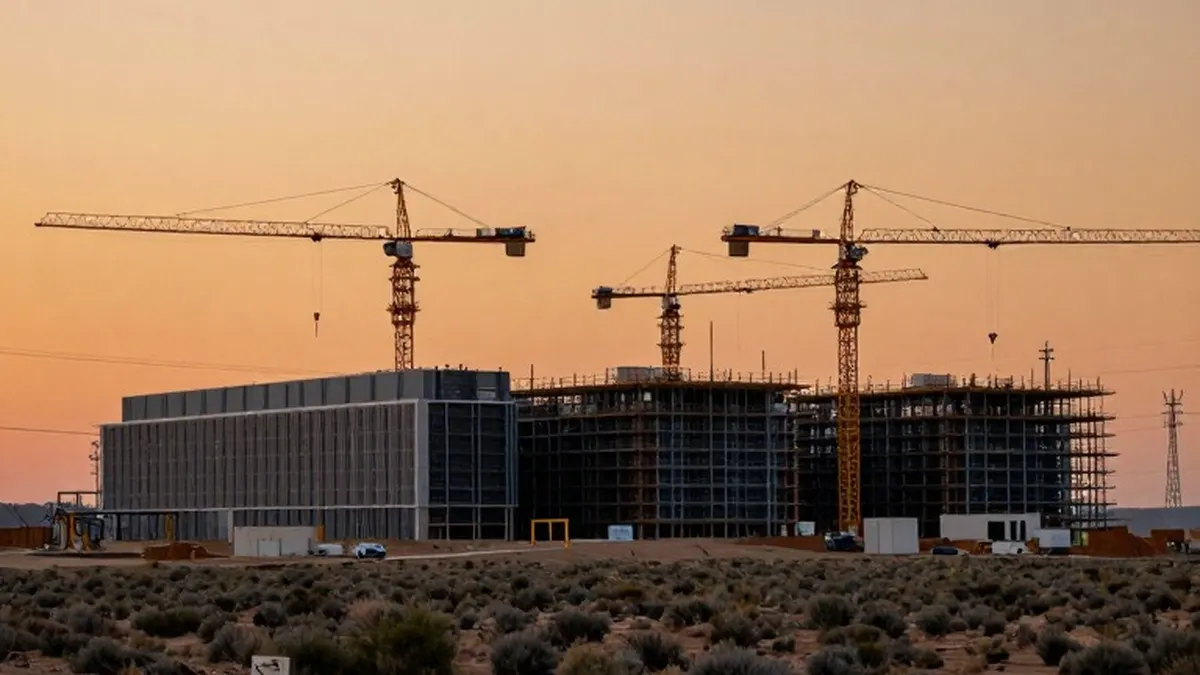
Data centres could prove another pressure point. Analysts and experts expect a Democrat-led Congress to tighten scrutiny of such projects and push for construction moratoriums as local opposition grows over electricity costs. Slower approvals could complicate Musk's plans to tap the $28.5 trillion US addressable market that SpaceX touted to investors ahead of its IPO.
Jake Dollarhide, CEO of Longbow Asset Management, said a Democratic sweep of Congress would "put pressure on tech and potentially bring regulatory pressure on everything AI," threatening the "wild, wild west growth figures" investors often take for granted. He said Musk was the Republicans' Hail Mary, but that his infusion of cash could not overcome higher utility bills, grocery prices and gas prices.
In Texas, Musk must navigate an already strained relationship with Hinojosa, who sued to obtain emails between Musk and Abbott and accused the former governor of selling out the Lone Star State by offering favourable deals to the billionaire, who has relocated several companies from California. "Let me be clear: Texas is not for sale," Hinojosa said last month. She has dismissed Abbott's efforts to rein in data centres as political theatre, calling instead for an immediate halt to new projects until lawmakers strengthen protections for local communities, and for an end to tax breaks. Musk will also face newly elected Sen. James Talarico, against whom he spent heavily while backing Republican Ken Paxton.
SpaceX's AI business is built around Colossus and Colossus II, two of the world's largest AI data centres near Memphis, Tenn. Renting their computing power to customers, including Anthropic, has sent revenue soaring and helped SpaceX post its first profit as a public company. Chip research firm SemiAnalysis has identified more than nine gigawatts of planned or developing capacity, including new facilities at SpaceX's Starbase complex in Boca Chica, Texas. That expansion could meet resistance, as Hinojosa has opposed the potential sale of a beachfront state park to SpaceX after Texas Monthly reported officials had discussed the deal.