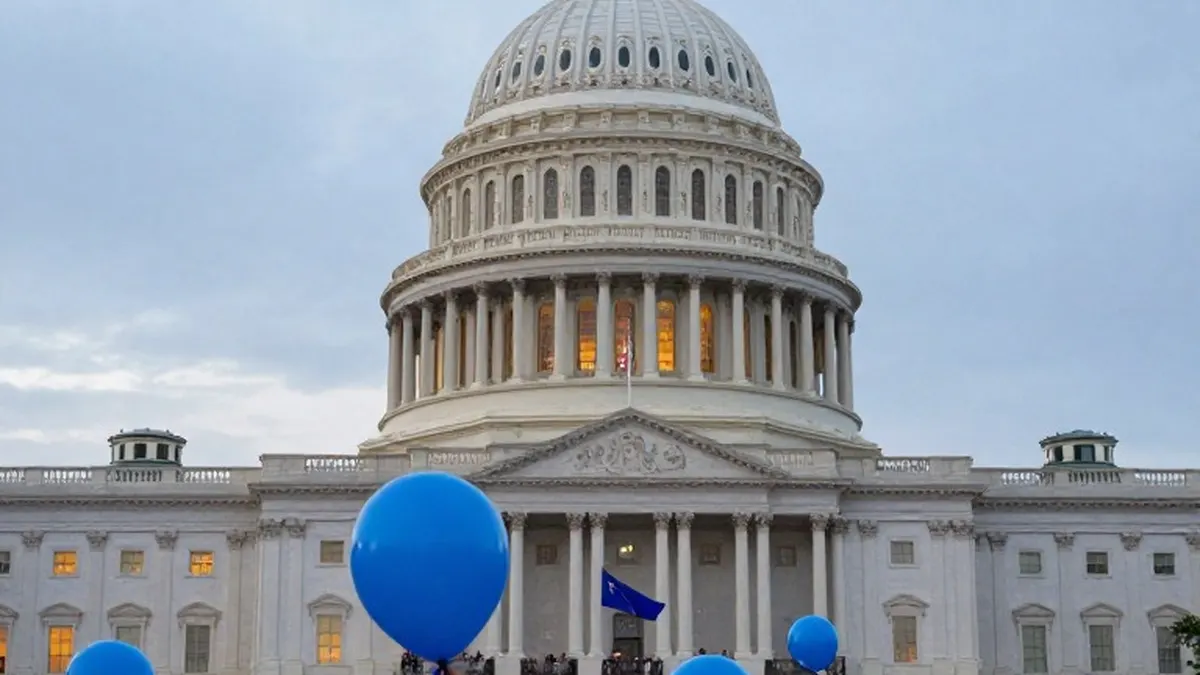
A new analysis suggests that incoming Democratic majorities in Congress should consider postponing public investigations into Donald Trump’s corporate allies until he leaves office in January 2029. The recommendation aims to prevent the president from issuing preemptive pardons that could shield implicated executives from federal criminal prosecution. While the advice may seem counterintuitive, it stems from the broad legal authority granted to the presidency under the United States Constitution.
The presidential pardon power allows the chief executive to forgive federal crimes before charges are filed, investigations are completed, or convictions are secured. This authority was originally designed as a tool of mercy, but it has increasingly been used to protect political associates and wealthy benefactors. A recent investigation by The Washington Post, published on October 26, highlights the anxiety among technology and defense firms such as Palantir, Anduril, OpenAI, and Meta. These companies, which have cultivated close ties with the administration, are bracing for potential congressional scrutiny regarding government contracts and political contributions.
The financial implications are significant. According to the Post, 15 companies backed by Trump’s sons received $3.2 billion in federal contracts, investments, and loans, with the majority of this funding occurring after his return to the White House. These figures have raised questions about conflicts of interest and whether politically connected firms received preferential treatment. If congressional hearings uncover evidence of fraud or bribery, the findings could identify specific individuals responsible. However, this transparency might provide Trump with a list of people to protect through sweeping pardons before he departs.
Trump’s track record supports the concern that clemency will be used strategically. His official record includes pardons for individuals convicted of securities fraud and wire fraud. In March 2025, he pardoned Trevor Milton, the founder of Nikola, who was convicted of defrauding investors. He also granted clemency to HDR Global Trading Limited, a corporate entity linked to the cryptocurrency exchange BitMEX, which had pleaded guilty to violating the Bank Secrecy Act. The extension of a pardon to a corporation itself marks a notable development in the application of executive power.
The legal precedent for this expansive authority dates back to the 1866 Supreme Court case Ex parte Garland. The ruling established that the pardon power extends to federal offenses after they are committed, regardless of whether criminal proceedings have begun. Congress cannot impose standard legislative restrictions on its exercise. This means a president can extinguish federal criminal liability for past conduct, although the power does not authorize future crimes or prevent state prosecutions.
This is not a novel use of the power. Former President Joe Biden issued a sweeping pardon to his son, Hunter Biden, in December 2024, covering federal offenses committed or potentially committed over nearly 11 years. In his final hours in office, Biden also granted preemptive pardons to family members and public figures, including Anthony Fauci and General Mark Milley. While Biden justified these actions as protection against political retribution, the moves demonstrated how easily the power can shield individuals without an independent determination of merit.
The dilemma facing Congress is complex. Trump has already signaled his willingness to use the power, stating in a November 2 interview that he would protect Elon Musk and other allies if necessary. A detailed investigation could provide him with a convenient inventory of potential beneficiaries. Proponents of the delay argue that records must be preserved and state authorities should remain free to act, but public federal disclosures should wait to avoid frustrating eventual prosecutions. Critics note that delaying disclosure allows wrongdoing to continue and gives witnesses time to disappear.
The situation highlights a potential defect in the constitutional system. The framers entrusted clemency to a single individual, expecting wisdom and restraint, but they likely did not anticipate the current intertwining of corporate wealth and political power. Legal scholars argue that the Constitution should be amended to establish meaningful limits on presidential clemency. Such reforms could include strict safeguards for pardons involving the president’s family or political associates, as well as the creation of an independent clemency commission to scrutinize controversial decisions.
Although the Supreme Court has ruled that ordinary legislation cannot curtail the existing pardon power, the difficulty of amending Article V should not justify preserving a power susceptible to abuse. Mercy remains a vital part of the justice system, but it should not become a privilege reserved for the politically connected. For now, the logic of the system suggests that postponing public exposure of potential offenses until the current administration exits may be the most effective way to ensure federal criminal accountability.