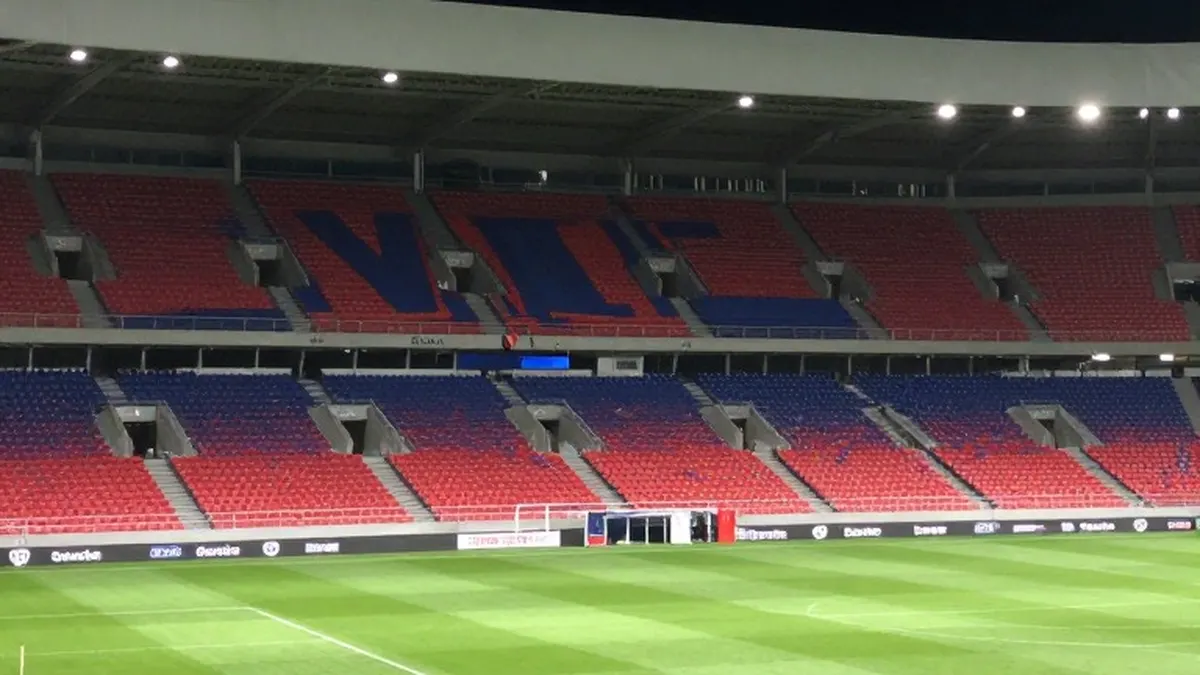
The arrival of autumn has traditionally signaled a familiar shift in the English football landscape, specifically for Manchester United. As the days grow shorter and the atmosphere cools, the club enters what fans often call the season of sacking. This annual cycle is marked by the dismissal of managers who are perceived to have failed to meet the immense expectations placed upon them at Old Trafford.
Recent history highlights this pattern of instability. Ruben Amorim lost his position in January, following Erik ten Hag, who was let go just before Halloween two years prior. Ole Gunnar Solskjaer was dismissed shortly before Thanksgiving, and Jose Mourinho was relieved of his duties a week before Christmas. Currently, Michael Carrick appears poised to become the next victim of this trend, with the team sitting just above the relegation zone on goal difference alone.
This marks the fourteenth season since Manchester United last won the Premier League. The upcoming replacement for Carrick will be the ninth manager to attempt the feat of consistently meeting the standards of one of the world's wealthiest clubs. Given the string of departures since Sir Alex Ferguson's era, questions arise regarding whether any manager could have succeeded in this environment.
To understand the potential impact of a top-tier coach, analysts often look to quantitative benchmarks. Using data from last season, where Arsenal won the league with 85 points, researchers have estimated the value of individual players relative to relegation-level teams. This framework suggests that elite managers provide value comparable to a high-quality player, a view supported by former Liverpool research director Ian Graham in his book How to Win the Premier League.
When identifying the best possible candidate for Manchester United over the past fourteen years, most experts point to Pep Guardiola or Jurgen Klopp. A 2025 study from the Sloan Sports Analytics conference analyzed team performance in Europe's top five leagues from 2017 to 2024. The study found that Klopp and Guardiola significantly outperformed their peers in managing talent to exceed expectations. However, due to the 114 guilty charges against Manchester City under Guardiola, Klopp is often considered the safer hypothetical choice for United.
Klopp's track record at Borussia Dortmund and Liverpool demonstrates his ability to transform clubs that were not the richest in their leagues into global powerhouses. He maintained high performance levels over multiple seasons, and both clubs have seen a decline in form since his departure. His success relied heavily on a combination of his tactical approach and the specific talent profiles available to him, such as energetic young players at Dortmund and the acquisition of Mohamed Salah at Liverpool.
Manchester United, however, has struggled to align its operations with its resources. Since 2013, the club has finished in the league table at or above its revenue ranking only once, which was last season. This persistent underperformance suggests that the failure to find a long-term successful manager is a symptom of deeper structural problems within the club, rather than the root cause.
Even in a best-case scenario where Klopp is hired in 2013 to replace David Moyes, he would have had to navigate a dysfunctional environment. He would likely have faced similar recruitment challenges, potentially signing players who did not fit his style as effectively as the stars he secured at other clubs. The synergy between a great manager and a competent front office is essential, and United has often lacked the latter.
Statistical modeling provides a clear picture of this hypothetical. If Klopp added the value of a once-in-a-generation superstar to every United season, the team's average points total would have risen from 66 to 76. Their average finishing position would have improved from 5.3 to 3.8. This would have resulted in ten top-four finishes instead of six and potentially deeper runs in the Champions League.
Despite these improvements, the model indicates that Manchester United would still have remained without a Premier League title over the last thirteen seasons. This suggests that while elite management can elevate a squad, it cannot entirely compensate for the broader operational and financial misalignments that have plagued the club in recent years.