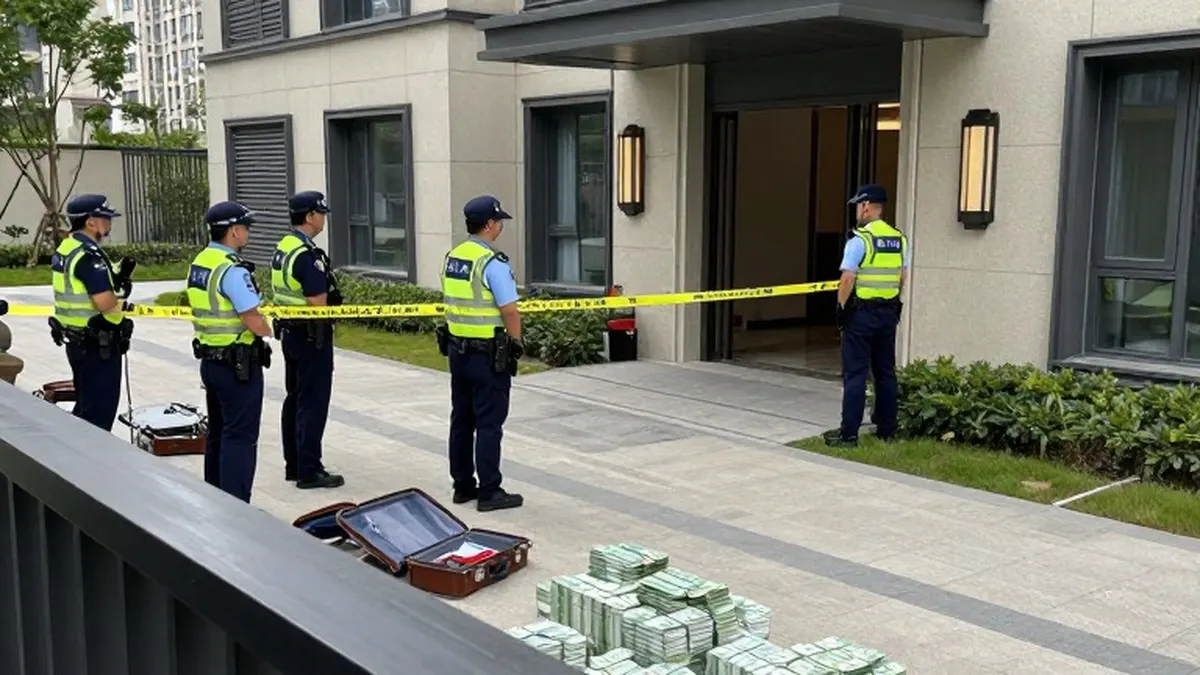
A dramatic scene unfolded in the Kazakh capital as bundles of U.S. dollars fell from a balcony of an upscale residential building. This spectacle coincided with the arrest of the top executives of two dominant state-owned enterprises, marking a significant disruption in the country's economic leadership.
In response to the detentions on November 12, President Qasym-Zhomart Toqaev convened an emergency session of the Security Council. He identified corruption as the critical weakness of Kazakhstan's state sector, describing it as an Achilles heel that required immediate attention.
The two individuals taken into custody hold high-ranking positions in the nation's most powerful state institutions. Nurlan Zhakupov serves as chairman of Samruk-Kazyna, the sovereign wealth fund. This entity controls nearly 40 percent of the country's GDP and managed total assets of approximately $87.5 billion at the end of 2025. The fund oversees almost all strategic assets in the corporate sector.
The second arrestee is Yelzhas Otynshiyev, the head of Kazakhstan Temir Zholy, the state rail operator. The company had been preparing for an initial public offering of up to 20 percent of its shares on stock exchanges in London, Hong Kong, and Kazakhstan. The potential valuation for this listing was estimated at up to $5 billion.
Both men were appointed to their senior roles during Toqaev's presidency after holding prominent positions in major Western corporations. Toqaev characterized the arrests as a serious signal of widespread corruption within state-owned companies. He framed the actions as part of a broader effort to ensure equality before the law following constitutional amendments passed earlier in the year.
Critics have argued that these constitutional changes were designed primarily to consolidate Toqaev's power. This view was strengthened by an election in August, which international observers heavily criticized. In that vote, a new party dedicated to Toqaev's agenda secured 70 percent of the support.
During a speech on November 13, Toqaev emphasized his anti-corruption stance. He cited over 3,100 corruption offenses identified between 2023 and 2025, involving roughly $560 million. He insisted that no official should be above the law regardless of their connections or position in the hierarchy.
The arrests have raised questions about the future of major financial projects. The railway operator's IPO was intended to fund modernization and expand capacity, including along the Trans-Caspian corridor connecting China and Europe. Financial analyst Rasul Rysmambetov noted that investors are reacting calmly as long as the company's accounts remain reliable. He suggested the IPO could be postponed for financial rather than reputational reasons.
Political analyst Dosym Satpayev argued that the state sector has long operated like a black box. He contended that simply replacing executives will not solve underlying issues, noting that the entire system requires change. Economist Olzhas Khudaibergenov described the alleged networks within the railway operator as stark, questioning whether detaining a few executives would be sufficient to dismantle entrenched corruption.
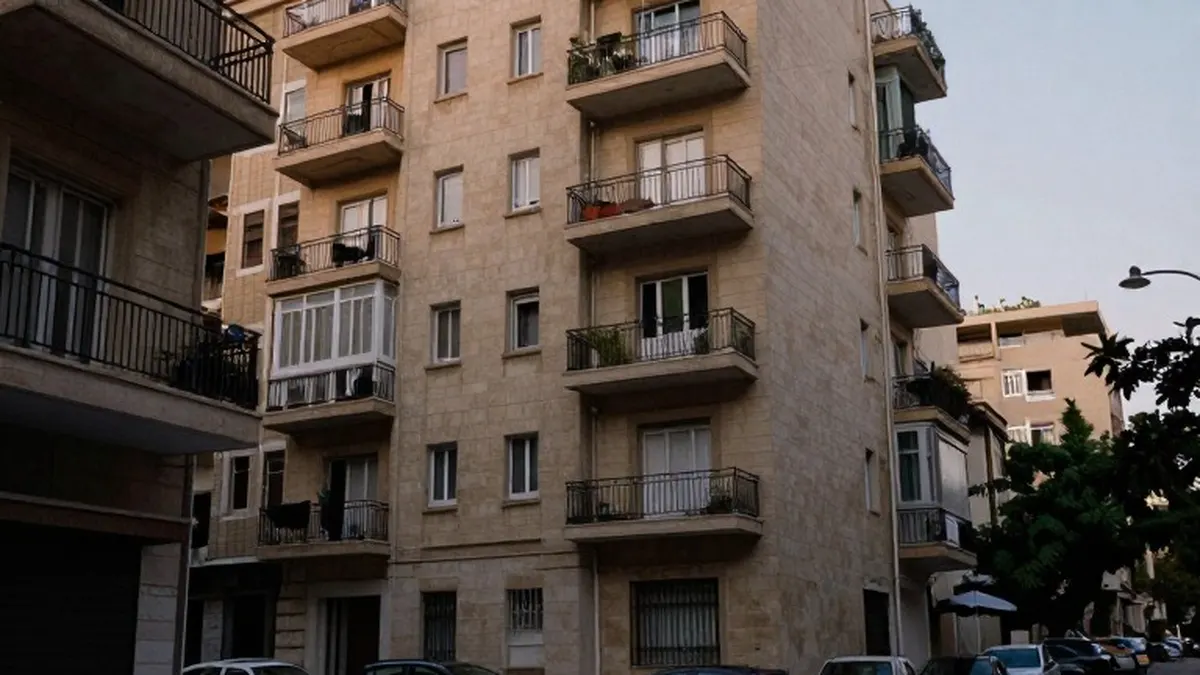
The mysterious dollar downpour occurred the same day the National Security Committee announced the arrests. Footage showed police securing the area outside the Atlant residential complex, which is near the headquarters of both major state entities. While bloggers speculated that the cash amounted to between $15 million and $40 million, authorities have not confirmed the connection or the authenticity of the notes. The government has been given until November 24 to submit proposals for reducing corruption and improving state company performance.