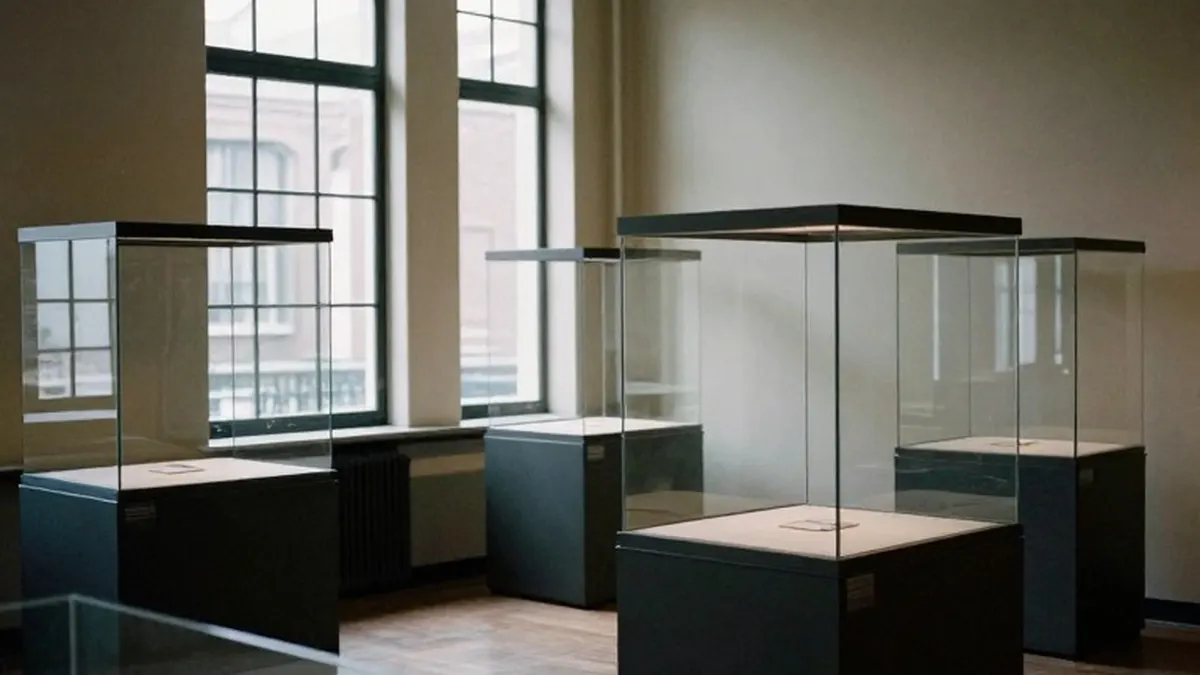
An exhibition celebrating three centuries of Jewish life in the Dutch city of Amersfoort remains uncertain after its cancellation over concerns about tensions surrounding the Middle East conflict. Mayor Lucas Bolsius has intervened to help revive the project, but its planned opening in early 2027 has not been guaranteed.
Paul Baltus, director of Amersfoort in C, which oversees Museum Amersfoort and several other local cultural institutions, announced the cancellation on November 4. He cited pressure and a changed social climate since preparations began five years ago. His concerns appeared to refer to possible confrontations involving pro-Palestinian activists, although his statement focused on the strain that heated public debate could place on museum employees and volunteers.
Baltus said his organization was small and vulnerable, and that security guards and cameras would not spare volunteers from having to handle visitors’ reactions. The Netherlands has seen dozens of pro-Palestinian demonstrations since the October 7 Hamas attack. On November 8, tens of thousands gathered in Amsterdam to call for tougher Dutch government sanctions against Israel.
The exhibition was intended to be part of a series of cultural events commemorating the Amersfoort Synagogue’s 300th anniversary. Opened in 1727, it is Western Europe’s oldest Ashkenazi synagogue still in use. Jewish community leaders expressed shock at the cancellation and urged municipal officials to ensure that the exhibition proceeds.
Addressing the City Council on November 4, Bolsius said the municipality would consult the museum and other stakeholders about preserving the exhibition. He said the cancellation had deeply hurt the Jewish community and reinforced feelings of exclusion. After a meeting on November 5, he and Baltus announced on November 6 that they would jointly pursue a solution. Offers of assistance had come from the city, central government and elsewhere in the country, the mayor said.
Baltus said the promised support had eased some concerns and that options would be explored in consultation with the Jewish community. Hans Weijel, vice chairman of Centraal Joods Overleg, the umbrella advocacy organization representing the Netherlands’ 40,000 Jews, welcomed the mayor’s intervention. He nevertheless condemned the cancellation as antisemitic and said Jewish residents had contributed to Amersfoort’s civic life since the mid-1600s.
Emile Schrijver, director-general of Amsterdam’s Jewish Cultural Quarter, said the museum had canceled without first consulting the Jewish community or the organizations involved. He described the dispute as part of a broader problem in which Jewish artists struggle to secure stages and Jewish cultural events struggle to find venues, largely since October 7. He challenged the suggestion that security difficulties made the exhibition unmanageable, pointing to the events regularly hosted by the institutions he oversees despite demonstrations and security concerns.
Schrijver argued that cultural organizations must distinguish the history of Dutch Jewish communities from opinions about Israeli government policy. He warned that treating Jewish activities as security problems could marginalize Jewish residents. Baltus had offered to lend the museum’s expertise and Jewish historical artifacts to an exhibition at the synagogue instead, and to include its history in the museum’s permanent display about Amersfoort. For Jewish leaders, however, the dispute raised broader concerns about whether Jewish history could retain its place in public cultural life independently of events in the Middle East.