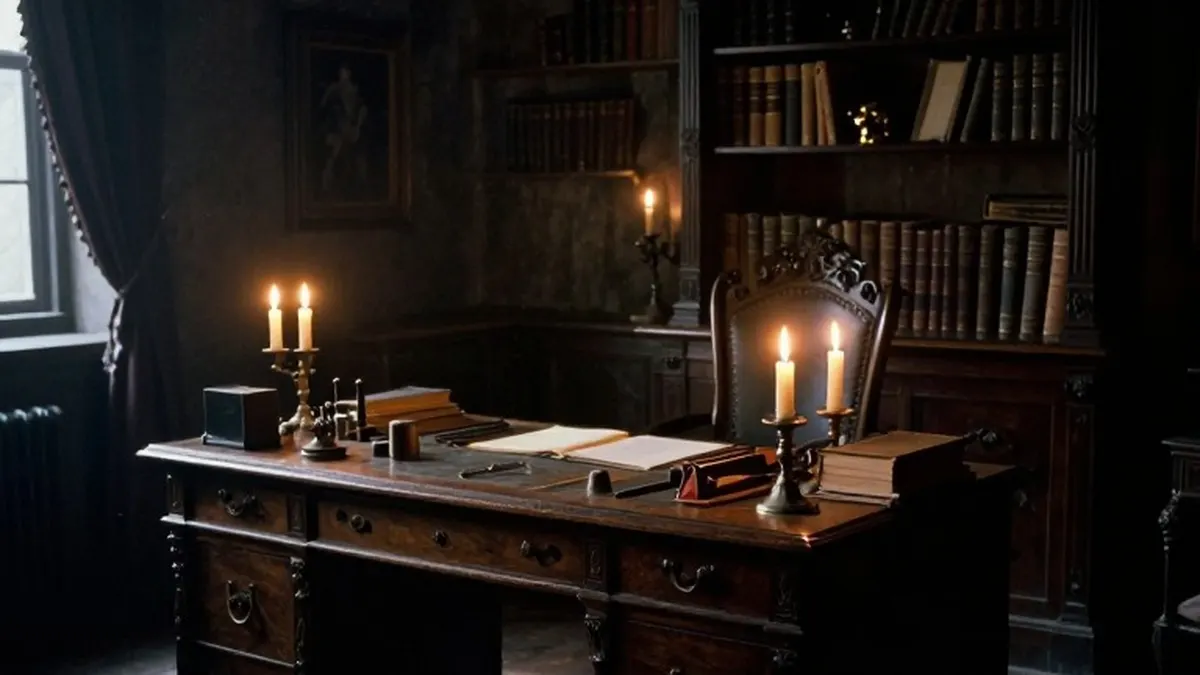
A new cinematic interpretation of Charles Dickens' A Christmas Carol has arrived in the form of the film Ebenezer. While audiences have been treated to numerous adaptations of the holiday classic over the years, this version distinguishes itself with a dark, gothic aesthetic. The project marks a significant return for actor Johnny Depp, who plays the lead role of Ebenezer Scrooge in this horror-tinged retelling directed by Ti West.
Given West's previous work on films such as The House of the Devil and the recent X trilogy, the decision to approach the story with a horror sensibility was expected. The movie runs for 1 hour and 56 minutes and carries a PG-13 rating. It features jump scares and grotesque visuals that may make it less suitable for younger viewers compared to traditional family-friendly versions of the tale.
The screenplay, written by Nathaniel Halpern, expands on the original novella by providing additional backstory. A pre-credits sequence shows Jacob Marley, played by Ian McKellen, still alive and exhibiting the same irascible personality as Scrooge. The narrative then jumps forward seven years to find Scrooge at his most miserly. The film is structured into sections called staves, mirroring the format of Dickens' original work.
The cast includes several well-known actors alongside Depp. Rupert Grint portrays Bob Cratchit, while Sam Claflin and Daisy Ridley play nephew Fred and his wife Clara. Other notable performers include Andrea Riseborough, Henry Lloyd-Hughes, Charlie Murphy, Tramell Tillman, and Arthur Conti. The film is produced by Paramount Pictures.
The supernatural elements are central to the plot, beginning with a visit from the ghost of Marley. This is followed by the three Christmas spirits. Andrea Riseborough plays the Ghost of Christmas Past, depicted with a corporeal appearance. Tramell Tillman portrays the Ghost of Christmas Present, a figure that physically decays during his visit to reveal creatures trapped within him. The Ghost of Christmas Future is played by an actor named Robert Strange, who introduces himself by releasing a crow from his mouth.
Depp's performance is characterized by a broad, theatrical style that recalls previous interpretations of the character. He wears prosthetic makeup and facial hair to transform into Scrooge. While the acting may not be subtle, Depp's charisma helps ground the character. The film allows for moments of genuine emotion, particularly as Scrooge reflects on his loss of Belle and feels pity for Tiny Tim, the disabled son of Cratchit.
The production features high-quality visuals and production design. The director of photography is Checco Varese, and the production design is by Eve Stewart. Tyler Bates composed the score, while Catherine George handled the costumes. The editing team included West and David Kashevaroff.
As the story progresses, the film balances its horror elements with lighter, more emotional scenes. The final redemption sequence shows Scrooge embracing his newfound joyfulness as he visits his nephew and niece. This shift in tone allows the narrative to breathe and provides a satisfying conclusion to the character's arc.
The film serves as a comeback vehicle for Depp, aiming to restore him to A-list status. While it does not break new ground in terms of story, it offers a distinct visual and tonal approach to the familiar material. The combination of horror tropes and classic character drama creates a unique holiday viewing experience for audiences this season.