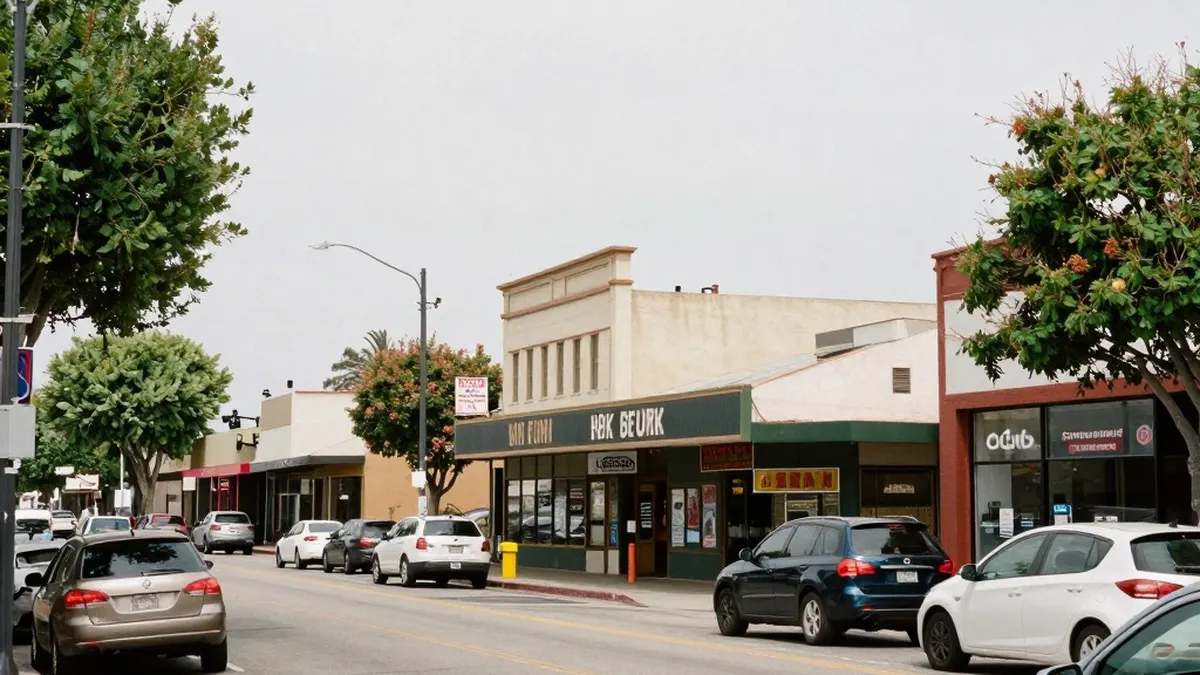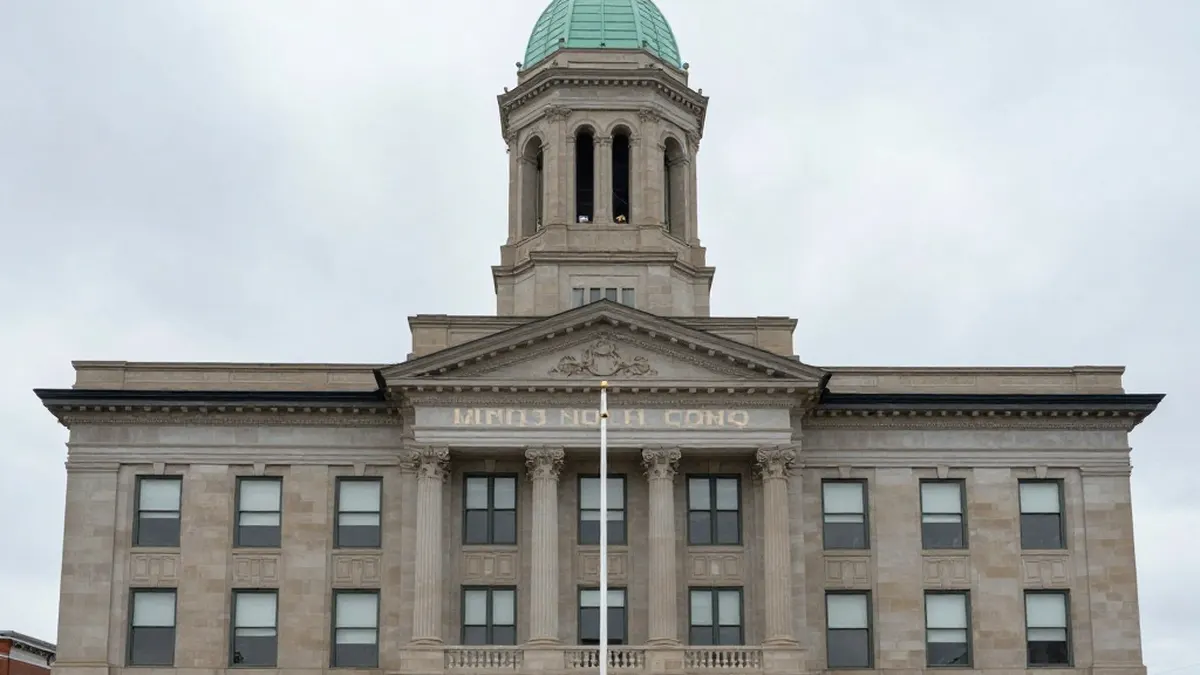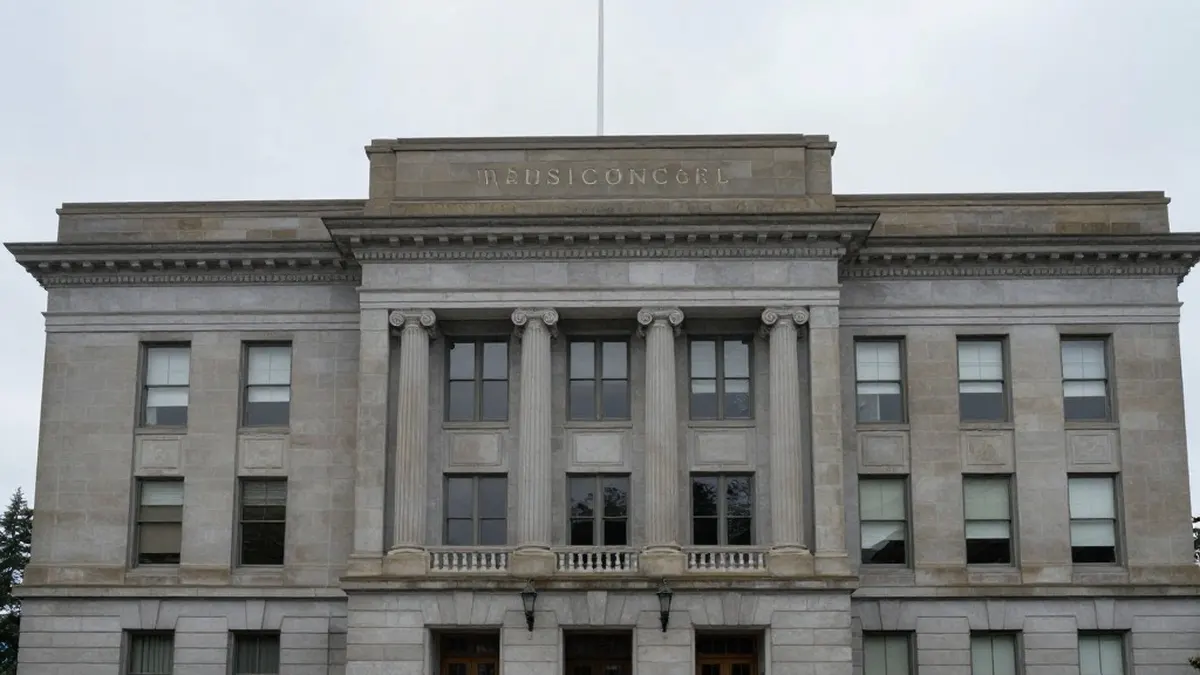
Over the summer, the Washington Department of Ecology withdrew $87 million in current and future grant funds from the Port of Everett's cleanup of a former timber site on the waterfront. The move comes as the port prepares to face Weyerhaeuser in court in November over who pays for the work.
Port CEO Lisa Lefeber said Weyerhaeuser pulled out of a cost-sharing agreement for the project eight years ago, and that without matching funds, Ecology removed money needed for the next phase. "This is going to be the state's largest in water cleanup," she said, adding that she hopes the state will recognize the impact of its decision.
The Mill A site at 3500 Terminal Ave. once housed Weyerhaeuser's sawmill and pulp mill operations. According to Ecology, decades of industrial lumber activity left wood waste and chemical contaminants in the site's marine sediments and upland soil. The port bought the property in 1983 and used it for log handling and storage until the mid-2000s, when it shifted to container cargo handling. Lefeber has said 50,000 truckloads of contaminated material remained, leaving the port with about $250 million in cleanup costs.
The port, Weyerhaeuser and the Washington Department of Natural Resources signed an Agreed Order with Ecology in 2012 outlining the cleanup. Lefeber said the port also entered a cooperation agreement with Weyerhaeuser at that time, but that the company unilaterally canceled the cost-sharing arrangement in 2018. The port is scheduled to go to trial on Nov. 9 to recover costs from recent years and seek a declaratory judgment that Weyerhaeuser is liable for its share of future costs, according to court documents.
Lefeber said she learned of the funding decision in a 15-minute call in June. In a June 26 letter, Ecology said high demand and limited resources had led it to change its review process for the 2027-29 biennium. Under the new criteria, which weigh cleanup and financial progress, design completion and matching funds status, the port's $55 million request would be denied and current 2023-25 funds reduced. Ecology said it would rescind $32 million of a 2023 award, leaving $3 million for engineering design work. Lefeber said, "Practically, what that did is it essentially killed our ability to move forward with the project."
Weyerhaeuser later offered to pay $4,734,372 immediately for past unreimbursed remedial costs and to commit up to $25 million toward future costs. Ecology called the gesture "highly relevant to our consideration of the Port's requests" in an Oct. 22 letter. Lefeber said the port sees no way to access that money while litigation is pending. A Weyerhaeuser spokesperson said the company recognizes its responsibility as the former mill owner, but argued the port's lawsuit seeks to put the entire financial burden on the company while the port avoids future payments and gains six acres of remediated waterfront at its South Terminal.
Ecology spokesperson Cheryl Ann Bishop pointed to the October letter and said the port currently has $25 million available from state cleanup funds. She said additional funding will be prioritized when the port is ready to begin construction. The letter laid out two paths to a requested $20 million: a standard oversight grant using Weyerhaeuser's contributions as a match, or a loan if those funds can lawfully be applied to repayment and the port shows financial need and ability to repay. Ecology also said the port would have top priority for a 2029-31 Remedial Action Grant if it uses its existing funds and makes progress.
The port warned that without the money, permits could expire and costs could climb, and Lefeber said samples will expire in February. "We need to have the financial certainty from the state and Weyerhaeuser before we move forward with the cleanup," she said. The bench trial is set to begin Nov. 9.