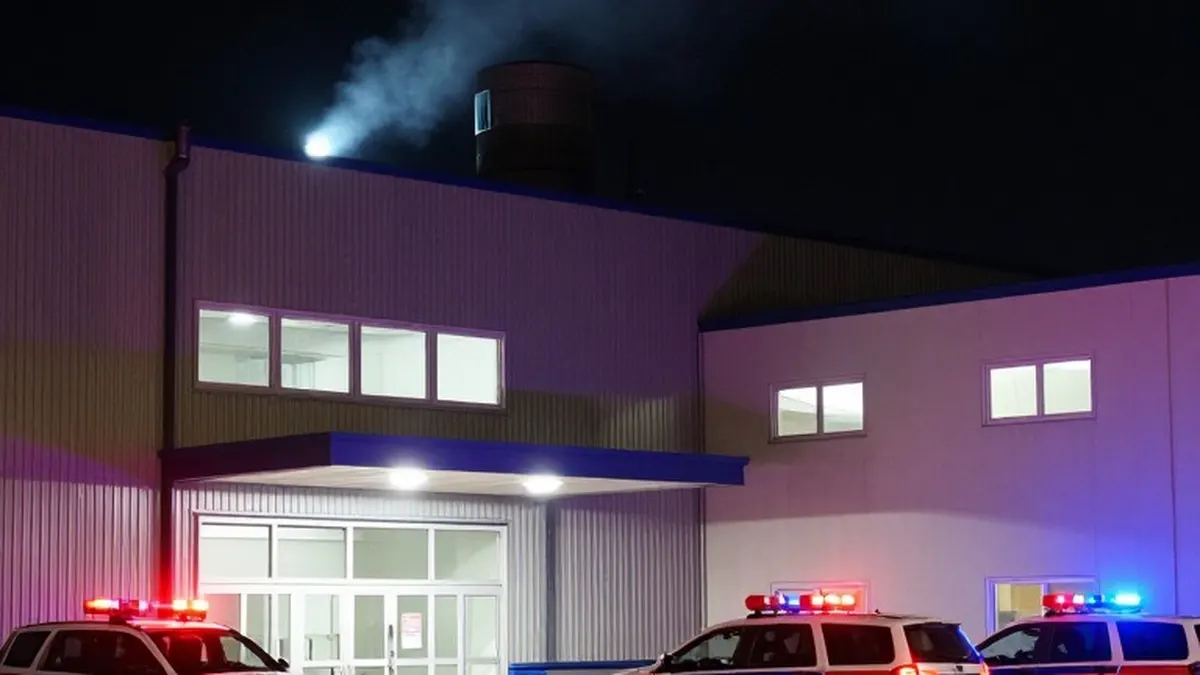
Estonia has officially accused Russia of orchestrating a failed sabotage operation against Threod Systems, a domestic defence company that specializes in the production of drones. The incident occurred in the early hours of this week, with security services reporting that the act was a deliberate attempt to cause significant damage to the company's premises.
According to the Estonian Internal Security Service, the attack was carried out on the night of November 14. At precisely 03:06, individuals attempted to breach the facility with the specific goal of triggering an explosion and igniting the building. The security agency stated that they acted swiftly to detain the suspects before the fire could spread or cause catastrophic structural damage.
In a statement released on social media, the Internal Security Service outlined the modus operandi of the attackers. They noted that the suspects were operating on direct orders from Russia. The agency also issued a broader advisory to the public, suggesting that citizens should be cautious when considering job offers that originate from Russian entities, implying a link between recruitment and covert operations.
Estonian Foreign Minister Margus Tsahkna provided further context regarding the incident, identifying the GRU, which is Russia's military intelligence agency, as the mastermind behind the failed operation. Tsahkna described the event as part of a broader pattern of behavior by the Kremlin, which he said is utilizing sabotage and coercion to destabilize European societies.
Tsahkna emphasized that the attack was designed to sow fear and distract from the ongoing support for Ukraine. He remarked that the Kremlin is increasingly resorting to such tactics due to mounting setbacks and a lack of success on the battlefield. The Foreign Minister added that the resilience and strategic momentum of Ukraine have clearly rattled Russian leadership.
The failed attack at Threod Systems is part of a rising wave of espionage and sabotage activities in the Baltic region. Recently, officers from Poland's Internal Security Agency detained two Ukrainian citizens who were suspected of espionage and carrying out sabotage acts on the orders of Russian secret services.
Lithuania has also been active in addressing similar threats. The country recently expelled three Ukrainian nationals who were accused of performing tasks for hostile foreign intelligence services in exchange for financial rewards. These developments highlight a coordinated effort by Russian intelligence services to target the Baltic states.
In response to these incidents, Tsahkna stated that Estonia intends to continue intensifying pressure on Russia. The government plans to utilize sanctions, diplomatic isolation, and travel restrictions as tools to compel Russia to cease its aggression against Ukraine. The stated goal is to ensure that Russia accepts full accountability for its actions in the region.
The detention of the suspects in Estonia marks a significant moment in the ongoing security challenges facing the Baltic states. As Russia faces difficulties on the front lines, the frequency of such covert operations appears to be increasing, prompting neighboring nations to heighten their vigilance and cooperation in counterintelligence efforts.
The case of Threod Systems underscores the vulnerability of critical defence infrastructure to targeted attacks. While the building was saved from fire and explosion, the incident serves as a stark reminder of the risks involved in supporting Ukraine's defence capabilities. Estonian officials remain committed to holding the responsible parties accountable while strengthening the security perimeter of their nation.