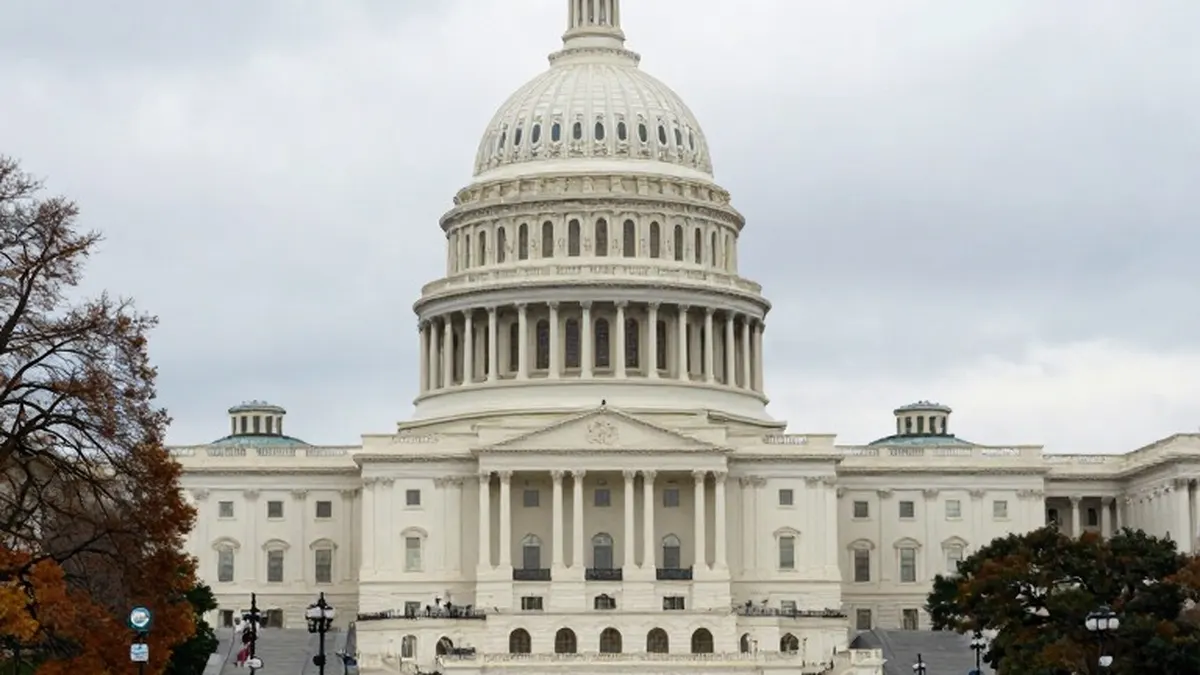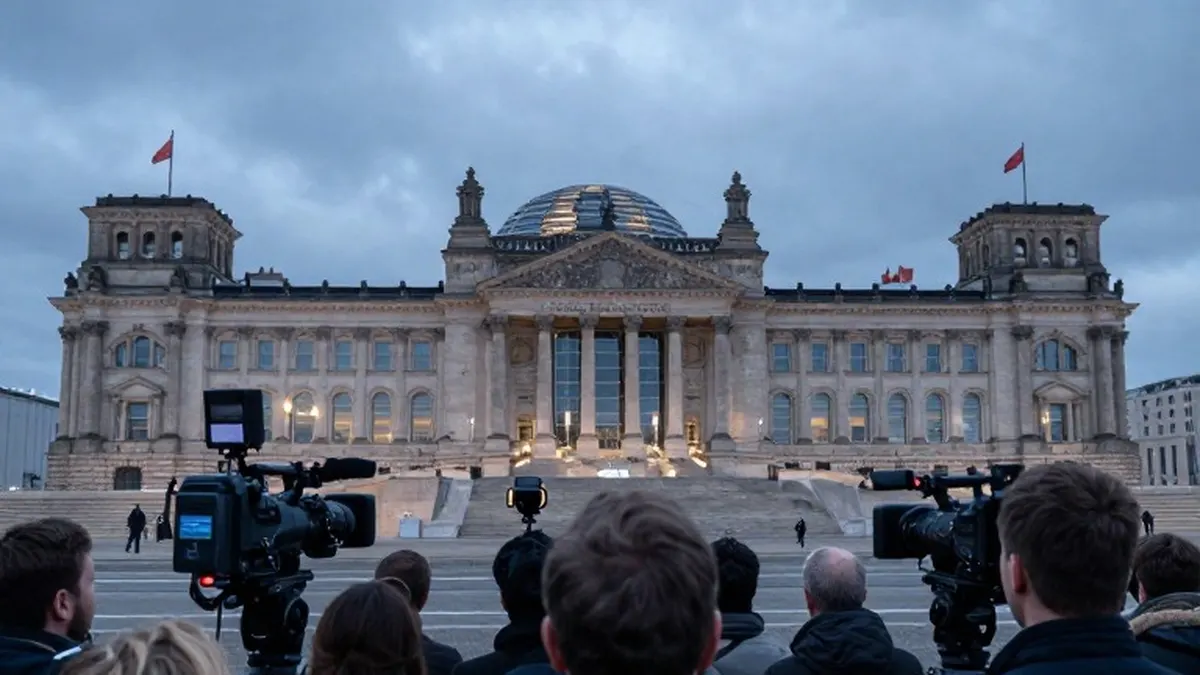
The historic scale of the Republican defeat in the US midterm elections on Tuesday has revived a familiar dilemma for Europe's far-right leaders: they may embrace Donald Trump's nativist agenda, but the president himself has become a toxic electoral liability.
Since Trump's re-election in 2024, populist figures such as Marine Le Pen in France and Giorgia Meloni in Italy have carefully calibrated their postures toward Washington, walking a delicate transatlantic tightrope. They admire his policies on hard borders, culture wars and anti-globalism, yet European voters, including many on the far right, recoil from his personal volatility, geopolitical unpredictability, wavering commitment to Europe's defence and trade protectionism. His territorial threats over Greenland and economic nationalism have been especially awkward for leaders who champion national sovereignty and domestic jobs.
Across European capitals on Wednesday, far-right politicians moved to insulate themselves from the White House while dutifully avoiding personal attacks. In France, Jordan Bardella, leader of the National Rally (RN) and a possible prime minister if Le Pen wins next year's presidential ballot, led the charge. Without naming the president who ordered them, Bardella blamed the US attacks on Iran, which he said had carried "very heavy consequences" for world economies.
In Germany, Alice Weidel, a co-leader of Alternative für Deutschland, said Trump had promised his voters "not to pursue an interventionist foreign policy", adding that "this broken campaign promise has now come back to haunt the Republicans". In Italy, Roberto Vannacci, founder of the insurgent far-right National Future party, said the result showed the political dangers of failing to deliver on electoral promises. "Trump failed to live up to expectations," he said.
In Madrid, the Vox leader, Santiago Abascal, abandoned any pretence of a Washington connection, brushing off questions about an ideological alliance by saying he was "in Spain, not in Michigan" and cared "quite little about what happens in other places". Mujtaba Rahman of the Eurasia Group consultancy said the leaders were acting for domestic advantage, hoping still to benefit from the "ideological momentum of Trumpism" without being tarred by the "chaos and economic disruption of his presidency".
For far-right parties in opposition, the midterms offer a clear playbook: mounting public anger over rising prices and unaffordable housing can be channelled into electoral victory. Bardella has repeatedly said purchasing power and the cost of living would be "the absolute priority" of an RN government, with plans to cut VAT on electricity, gas and fuel and allow employers to boost wages without additional payroll charges. In Spain, Vox is similarly weaponising soaring living costs and plunging housing affordability against the Socialist prime minister, Pedro Sánchez, in hopes of entering government as partner in a rightwing coalition after elections on 29 November.
For populists already in power, that lesson is uncomfortable. Italian Prime Minister Giorgia Meloni has faced several waves of domestic protest in Rome, Milan and elsewhere, some of them violent, over fuel costs and inflation. Her coalition partner Matteo Salvini, leader of the far-right League, conceded the US vote was "influenced above all by the wars, international tensions and the increase in the cost of living, the consequences of which fall directly on families". Opposition MPs were quick to note that Trump had pledged to lower prices and bring back quality jobs, but that never happened, and that far-right leaders in power who fail to deliver are as exposed to voter anger as anyone else.
Some on the European far right, such as Dan Dungaciu of Romania's AUR, sought to play down the defeat by arguing that reports of Trump's "political death" were greatly exaggerated. But the broader lesson may extend beyond the populists: Europe's nationalist leaders will in all probability keep espousing Maga's ideas while holding Trump himself at arm's length, and their electoral fortunes do not depend on his success or failure at the ballot box.
The grievances driving the rise of European populism, from the cost of living and housing crises to the rural-urban divide and arguments about immigration, are rooted firmly in European domestic conditions rather than American election results. Some warn the worst consequence of these midterms would be for Europe's mainstream parties to assume the populist tide is receding. What the vote actually showed, they argue, is that voter anger over the cost of living is unforgiving, whoever is in power.