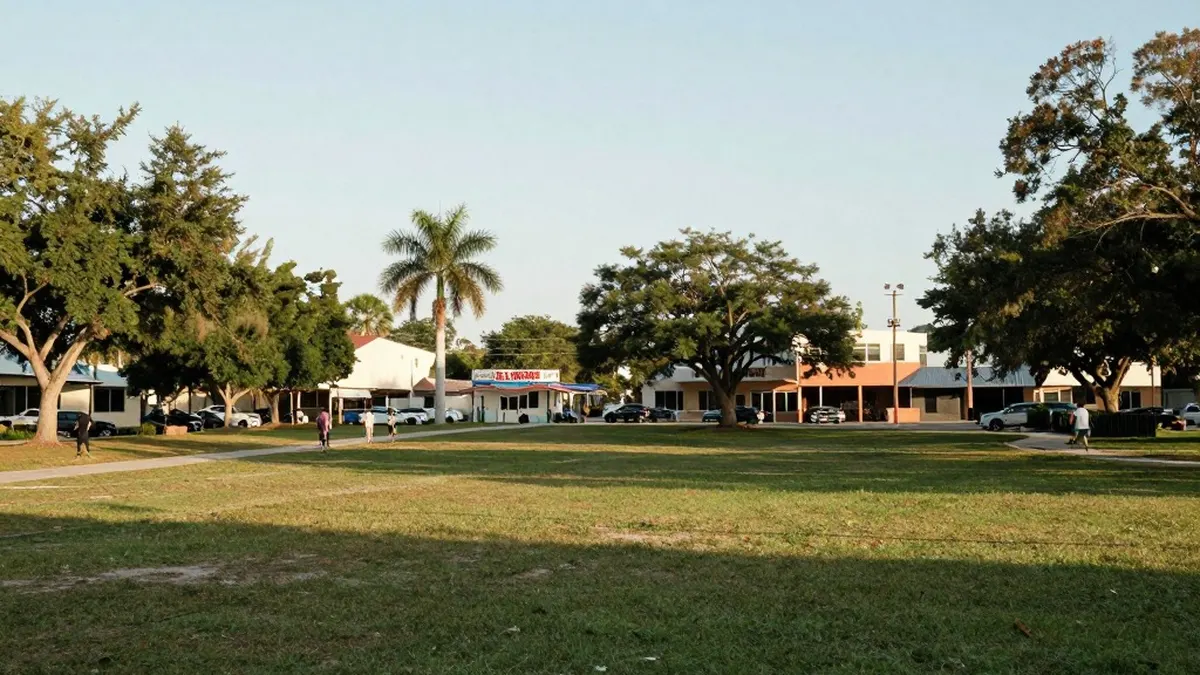
The HERO House Everett clubhouse, a community center supporting adults with mental illness, remains active in Everett despite facing a substantial decrease in state funding. The organization, which operates four clubhouses across Washington state, recently experienced a cut of approximately 30% from the Washington State Health Care Authority in July. Kailey Fiedler Gohlke, the CEO of HERO House NW, stated that these reductions have limited the Everett location’s ability to expand its employment and housing programs.
The clubhouse at 1901 Wetmore Avenue serves as a social and vocational hub for members over the age of 18 who have a history of mental illness. Membership is free, and the facility operates from 9 a.m. to 5 p.m., Monday through Friday. The model relies on staff and members working side by side in a community-based environment. Members participate in daily operations by handling tasks such as cashiering, managing emails, and preparing meals.
Fiedler Gohlke emphasized that the collaborative nature of the clubhouse is central to its mission of helping individuals combat isolation. She noted that the funding cuts make it difficult to maintain the current level of support, particularly in Snohomish County. She explained that securing funding in Snohomish County is more complex than in King County, where a portion of sales tax supports the organization. In Snohomish County, HERO House must negotiate with five separate state Medicaid plans, whereas in King County, negotiations are handled through a single organization.
The Everett clubhouse was established in 2019 by Meg and Harold McClure after they learned of the model from a location in Bellevue. Meg McClure, whose son lives with mental illness, highlighted the need for a space where individuals can make their own choices and build confidence outside of a purely clinical setting. She said, “We tend to see the solution as being clinical, and there is a place for that, but they also need a place to make their own decisions, make their own choices and start to build confidence in themselves.”
To address the financial challenges, the organization has focused on strengthening community partnerships. Fiedler Gohlke expressed a desire to increase public awareness of the clubhouse, stating that it should not be considered a “best-kept secret.” She believes the services should be widely known throughout the community to ensure they reach those who need them.
Julia Smith, an employment specialist at the Everett location, noted that the clubhouse is expected to see an increase in attendance when new Medicaid work requirements take effect in January. She observed that despite the funding hurdles, more than 40% of the current members are either employed or attending school. Smith remarked, “If the goal is to get people back to work, you would think that programs like ours would be flush with cash. … We have so many members who want to work.”
The organization recently held an open house to showcase recent renovations and share the impact of the program on its members. Justin Grimett, a member who previously described himself as a nomad, shared a letter read by staff at the event. He credited the clubhouse with transforming his life from homelessness to a stable career and relationship. Grimett wrote, “Clubhouse has changed my life in ways I didn’t realize it could.”
Other members also shared their experiences during the event. Jeannee Carr, a member, said it took her about a year and a half to feel comfortable in the community. She described how building friendships at the clubhouse helped her regain her will to live. “I started talking to members and began building friendships. My will to live returned, and it lit a fire under me,” Carr said. These personal accounts illustrate the ongoing role of the clubhouse in supporting the social and professional development of its members.