Austan Goolsbee, the president of the Federal Reserve Bank of Chicago, characterized the latest inflation figures as borderline disturbing in an interview aired on Tuesday. Speaking on PBS NewsHour, Goolsbee described the data as a distressing report that highlights a developing issue requiring immediate attention. He noted that the central bank must now address the continued rise in prices that has defied earlier expectations of stabilization.
The Bureau of Labor Statistics released data on Tuesday morning showing that the consumer price index increased by 0.4% on a seasonally adjusted basis in October. This figure exceeded economist predictions and marked the third consecutive month of significant price growth. Goolsbee stated that he had not seen the impact of tariffs on prices fade over time as he had previously hoped. He also expressed concern regarding the sustained high levels of inflation in the services sector.
The Federal Reserve finds itself at a critical decision point as it evaluates its next move on interest rates. Goolsbee’s remarks followed comments from other central bank officials who suggested that the Federal Open Market Committee may need to act more decisively. Christopher Waller, a Fed governor, indicated in London that a hot inflation report could push him to advocate for a half-point increase in December rather than the standard quarter-point adjustment.
Waller specified that such a larger hike should be considered if the core consumer price index, which excludes volatile food and energy costs, reached approximately 0.3%. The data released later that day confirmed this threshold was met. Lorie Logan, president of the Dallas Fed, also spoke after the report, indicating a need for two additional quarter-point increases. She suggested that the committee might move more rapidly this winter than it has during the current fall period.
In contrast, Anna Paulson, president of the Philadelphia Fed, adopted a more measured tone. While acknowledging that inflation pressures remain significant, she stated that the central bank does not need to rush its response. Paulson described further gradual tightening as appropriate for the current moment, noting that the precise path forward will depend on how economic conditions evolve. She emphasized the importance of monitoring data closely before making further adjustments.
The committee had raised rates by a quarter point in September to a range of 3.75% to 4.0% before deciding to hold them steady in October. Goolsbee expressed a major concern that consumers and businesses might begin to expect higher inflation to persist. He warned that if such expectations become entrenched, the process of cooling inflation could become much more painful for the economy. However, he stopped short of specifying whether he believed a rate hike was necessary at the December gathering.
Goolsbee preferred to keep the committee’s options open, stating that he is not a fan of being too specific or tying the central bank’s hands regarding future meetings. Waller, Logan, and Paulson are currently voting members of the FOMC and will cast votes at the December meeting. Goolsbee will hold voting membership next year, meaning his views will influence policy in a future capacity.
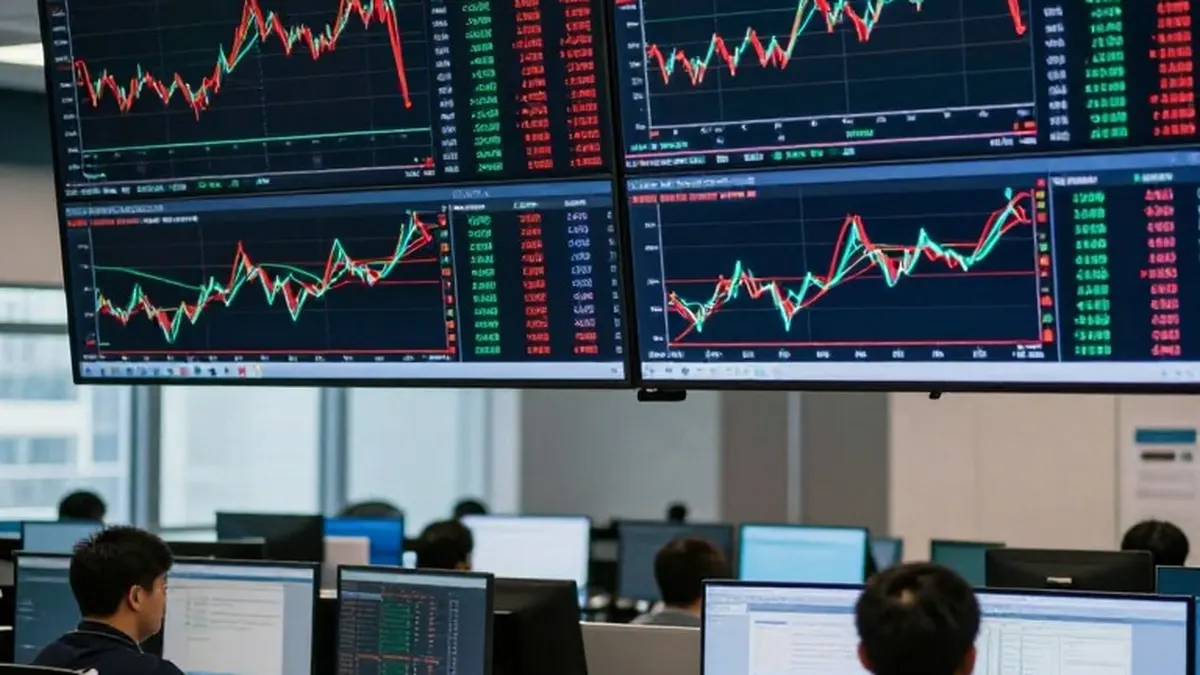
Market reactions to the inflation report and official comments have shifted expectations significantly. According to CME’s FedWatch tool, fed funds futures now unanimously expect a rate hike at the December meeting. The primary question for investors has become the magnitude of that increase. Current odds place the probability of a half-point hike at 15%, while the likelihood of rates reaching 4.25% to 4.5% by the January meeting stands at 60%.
A 10% chance remains for rates hitting the 4.5% to 4.75% range by January. This movement in financial markets reflects the growing consensus that the Federal Reserve must continue to tighten monetary policy to ensure that inflation returns to its target levels without causing excessive economic disruption.