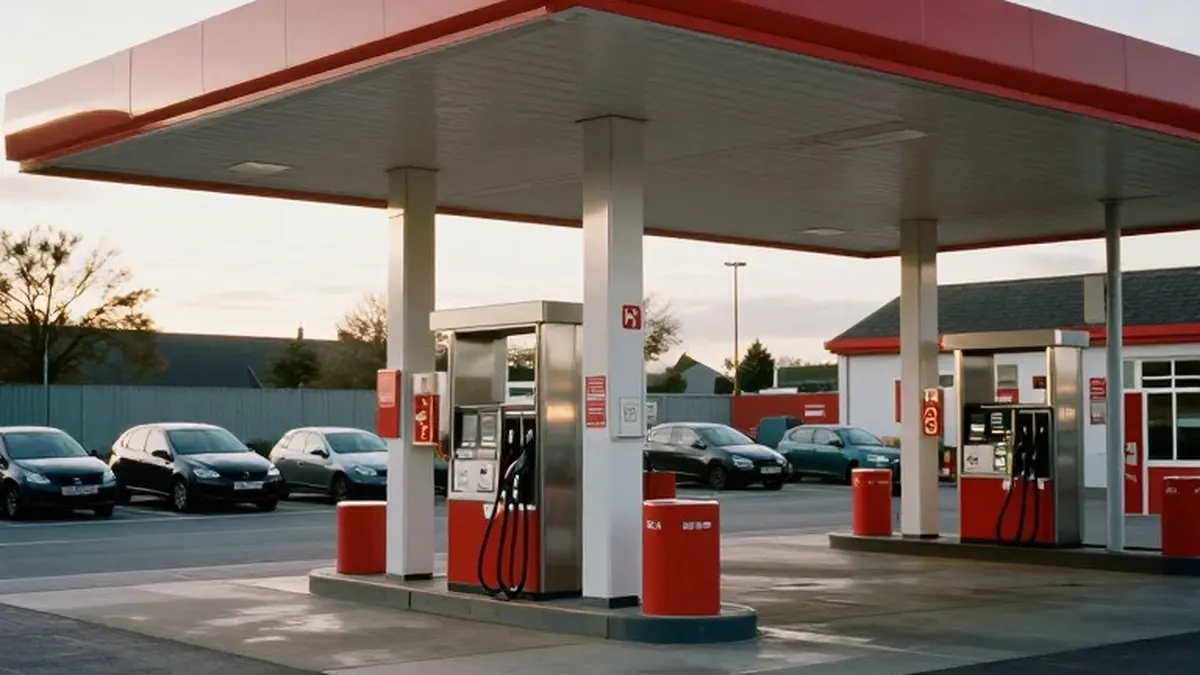
The cost of diesel at UK petrol stations is remaining stubbornly high, staying close to the record level set in October despite a recent decline in global oil prices. According to data from the AA, the average price for a litre of diesel currently sits at 197p. The motoring organization has described the current state of fuel pricing as dismal, highlighting the persistence of high costs for drivers across the country.
In contrast to diesel, petrol prices have experienced a more noticeable decrease. The average cost of petrol has fallen by 6p to reach 168p per litre. This drop comes after the price hit a peak of 174.7p in early October, which was the highest level recorded since August 2022. The disparity between the two fuel types has intensified scrutiny on why diesel prices are not adjusting as quickly to market changes.
High fuel prices are placing significant financial pressure on both households and businesses. Christopher Waller, a governor of the US Federal Reserve, spoke at a conference in London this week regarding the broader energy landscape. He noted that energy prices are likely to remain elevated for the foreseeable future, suggesting that consumers may continue to face higher costs for some time.
Waller explained that increased tanker traffic through the Strait of Hormuz is contributing to higher oil prices. He stated that the additional insurance required for ships passing through this route, along with the necessity of ship-to-ship oil transfers to protect against potential Iranian attacks, is adding an estimated $20 to $30 per barrel to the cost of oil.
The production of diesel is also facing challenges due to limited refining capacity and other constraints, according to Waller. He added that as a result, diesel prices in the United States are not expected to decrease as quickly as crude oil prices would in a more stable Middle East. This structural issue may explain the lag in price reductions seen in the UK market.
The AA suggests that petrol prices could see a further reduction of 10p in the near future, driven by falling wholesale costs. The wholesale price of unleaded petrol dropped from 77p per litre to 68p during the second half of October and is now below 62p. These lower wholesale rates are expected to eventually translate into savings at the pump for consumers.
For the average driver, a reduction of 5p per litre at the pump equates to a saving of £2.75 when filling a typical 55-litre car tank. This small decrease can make a meaningful difference to monthly fuel budgets for many UK motorists.
Luke Bosdet, the AA’s spokesperson on pump prices, described the current retail landscape as hit and miss. He noted that it is already possible to find petrol priced below 160p in certain areas, according to government fuel finder data. However, regional differences are stark, with London and the south-east failing to show the bargain prices available in northern England, Wales, and Scotland.
Bosdet pointed out that some forecourts are still charging prices close to the early October peaks. Given the substantial drop in wholesale costs since mid-October, he called this pricing strategy unforgivable. He emphasized that the gap between wholesale and retail prices has widened significantly in certain regions.
Regarding diesel, the average price has only decreased by 2p per litre from the all-time record of £2. Bosdet indicated that a further small reduction at the pump is possible, as wholesale diesel costs have fallen by around 4p per litre since mid-October. Consumers are advised to monitor local prices as the market continues to adjust.