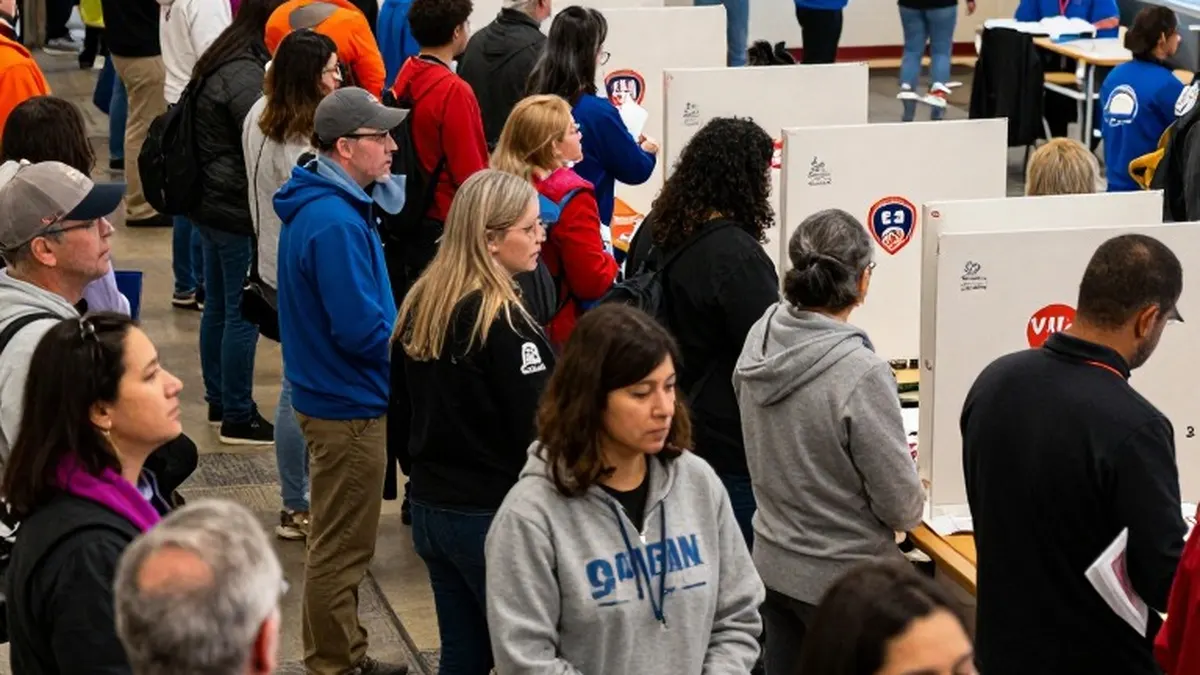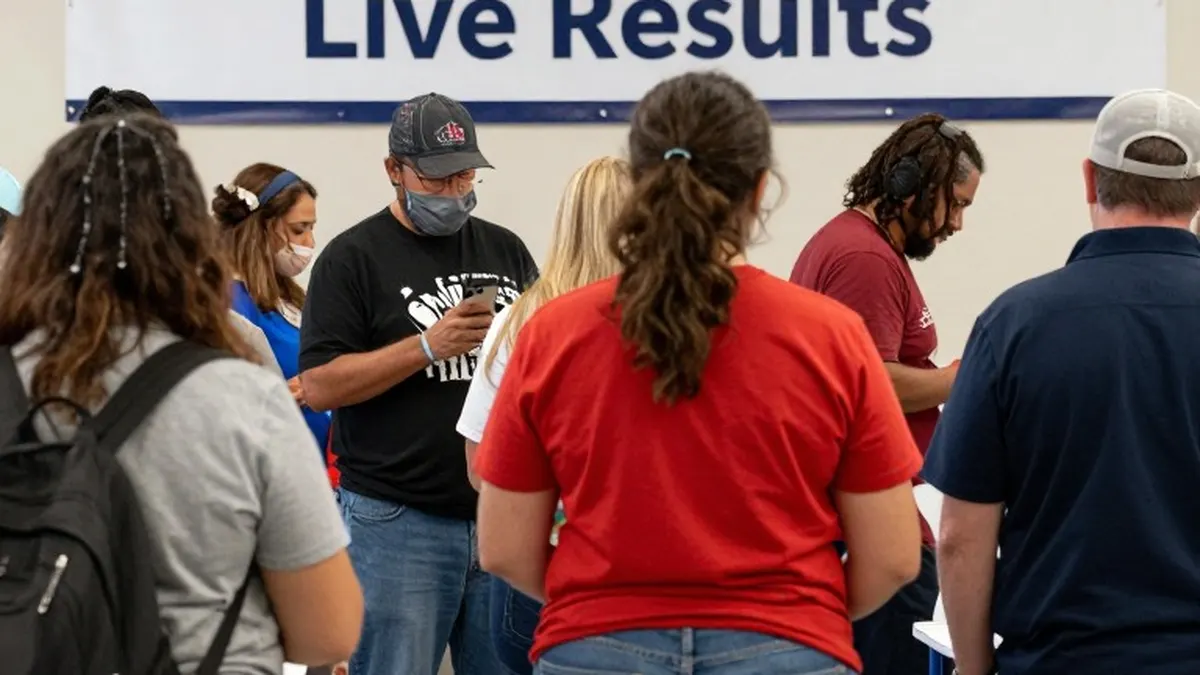
Severe weather upended Election Day voting across parts of the United States on Tuesday, as flash flooding, heavy rainfall and tornado damage forced election officials in three regions to move polling locations and adjust voting plans in closely watched races.
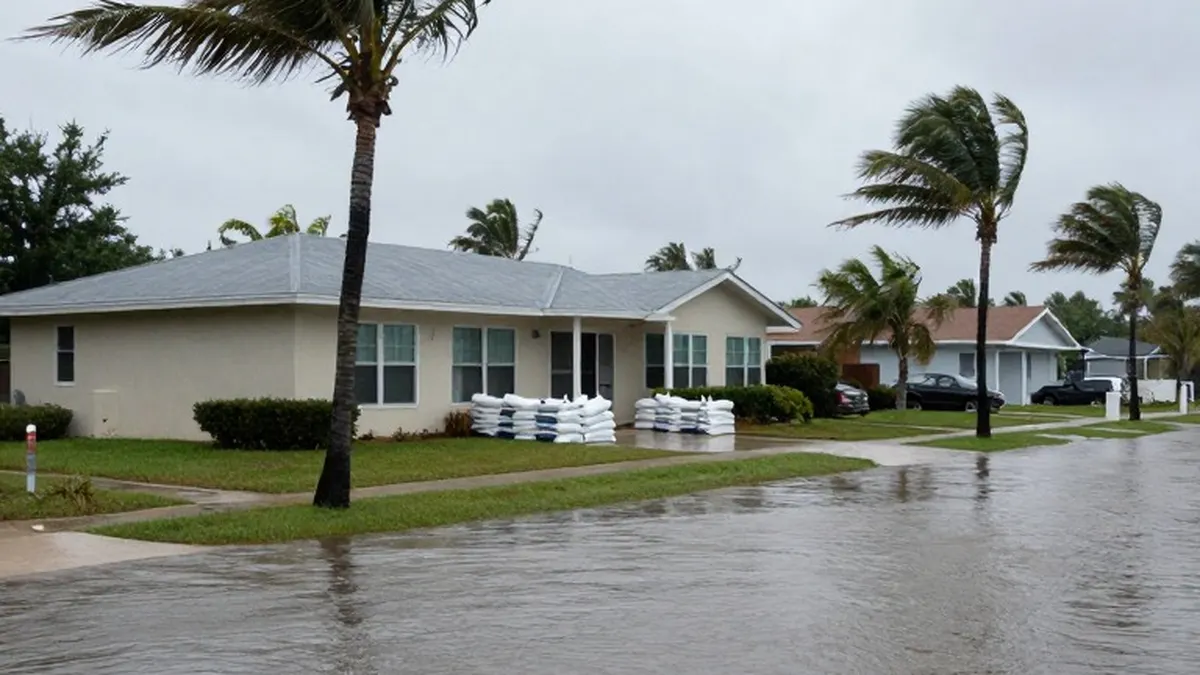
Florida saw the most disruption, with at least 21 polling locations moved across eight counties, including Brevard, Broward, Highlands, Indian River, Martin, Okeechobee, Palm Beach and St. Lucie, after intense rain brought flash flooding Monday into Tuesday morning. A storm dumped as much as 22 inches of rain in 24 hours along the state's Atlantic coast, leaving roads impassable in what one forecaster called an event that "exceeded everyone's expectations." Gov. Ron DeSantis declared a state of emergency in seven Atlantic seaboard counties, and a flood watch remained in effect as rainfall slowed. "Areas affected by catastrophic flooding remain extremely sensitive to any additional rainfall," forecasters wrote Tuesday morning.
Jessica Rendon of Port St. Lucie said she spent hours trying to vote after weekend flooding left highways water-logged and polling sites closed, and only learned her polling place had moved from another resident out trying to vote. Others shared location information on social media. "I personally did not see one officer out in public helping any of us out," she said. "Voting or not voting." Rendon, who said she could get around only because she owns a truck, added: "Unfortunately many by me are still stuck in their homes. Frankly I don't think a lot can vote because of this."
In Oklahoma, a tornado with peak winds of about 100 mph struck Cimarron County on Sunday, snapping tree branches, damaging the roof of the Keyes Community Center and collapsing a wall, according to a National Weather Service damage survey. County election officials said in an emergency request that the tornado caused "considerable structural damage," "rendering the polling location unsafe," and one polling site was moved. Storms also swept across Oklahoma, Texas and Arkansas overnight, and a tornado watch lasted until about 2:45 a.m. local time Tuesday.
Historic flooding in the Four Corners region led Utah Lt. Gov. Deidre M. Henderson to declare a state of emergency and allow voters registered in San Juan County who are isolated by floodwaters to request and return ballots electronically. Colorado's secretary of state approved a similar online voting measure for La Plata and Archuleta counties, according to 9 News. Damage in Colorado remained widespread, with first responders searching for stranded people, including by helicopter, and people with homes along the Animas River facing evacuation.
Record rainfall in usually dry Arizona caused deadly flooding and power outages. Two of Maricopa County's 254 voting centers were temporarily closed "due to power related issues," authorities said, a shutdown that fueled conspiracy insinuations online in the competitive swing state before both locations reopened. Gov. Katie Hobbs issued a statewide emergency declaration Monday after earlier ones for Navajo and Coconino counties, and the governors of New Mexico and Colorado asked President Donald Trump to declare a major disaster for federal funding assistance.
Research suggests bad weather can depress turnout. A study of elections from 1948 to 2000 found a modest drop during unusually intense rainstorms. "What we found was that for every inch of rain that a county received above its average amount of rainfall, voter turnout went down about eight-tenths of 1 percentage point," said Brad Gomez, an associate professor of political science at Florida State University. Experts said the effect is shrinking as more people vote early or by mail, making it hard to predict the impact, if any, on key races, though campaigns will watch turnout closely.
The system was forecast to push east Tuesday, with possible flash flooding in parts of Alabama, Tennessee, Arkansas and Mississippi and heavy rain in Missouri. "Scattered flash floods are possible" in the lower Mississippi River valley and areas such as Memphis, said Jennifer Tate, a meteorologist with the Weather Prediction Center in College Park, Maryland. Wet, dreary weather stretched from east Texas to the Midwest, though experts expected minimal impact on election outcomes. The West Coast looked mostly pleasant, with pockets of rain in Northern California, while the East Coast appeared clear outside Florida, apart from some rain in Maine.