France mobilized 70,000 police on Saturday, October 31, ahead of nationwide demonstrations over living costs, strained public services and President Emmanuel Macron's government. The Interior Ministry said about 150 gatherings were planned, with authorities seeking to prevent a repeat of the riots and looting that surprised security forces two weeks earlier and damaged shops, businesses and public buildings across the country.
Interior Minister Laurent Nunez promised a firm response to disorder, describing the day earlier in the week as carrying “a very high risk” of unrest. With the demonstrations coinciding with Halloween, officials were also concerned that rioters might hide their identities behind masks. Nunez said existing legislation allows police to prohibit face coverings when public order is threatened. The US Embassy urged travelers to stay away from planned demonstrations and large gatherings.
France's highest administrative court upheld a ban on Saturday on a march linking the Paris squares of Republique and Bastille, dismissing a challenge brought by unions. Demonstrators will instead be required to gather on boulevards along the capital's eastern edge, keeping them away from major shopping districts in central Paris.
The movement gained momentum in late September as Macron's minority government opened discussions on the 2027 budget. Public debt nearing 120% of economic output, alongside increasing borrowing costs, has intensified pressure to curb spending and limited the government's options. Students protesting deteriorating school buildings, overcrowded classrooms and a university admissions system widely regarded as unfair have been joined by unions and a revived Yellow Vest movement seeking relief from living costs.
Government pledges to overhaul education and reduce fuel costs have not eased the anger. Aaron Berthier de Grandry, a 15-year-old high school student from Nogent-sur-Marne near Paris, planned to demonstrate for a third consecutive weekend. He said young people had been described to him as the country's future, but warned that failing to provide them with resources threatened France's future. The French protests have also inspired youth-led demonstrations elsewhere in Europe, with events scheduled in more than 30 German cities on Saturday.
The unrest has benefited far-right leader Marine Le Pen politically. She leads opinion polls ahead of April's presidential election, while prospective centrist successors to Macron remain split. The demonstrations have also added pressure to an economy that was already contracting in the third quarter, according to figures released on Friday.
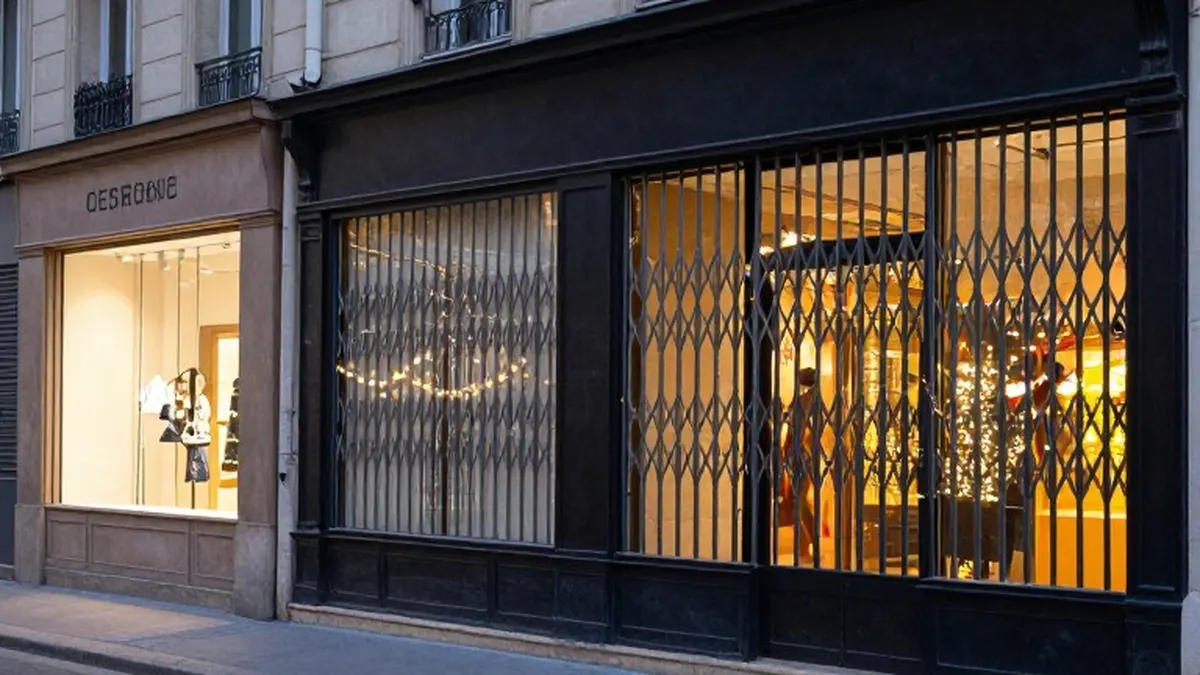
Retail losses have surpassed €1 billion, or $1.1 billion, according to the Chamber of Commerce. Estimates incorporating uninsured damage and lost revenue put the figure at twice that amount. On major Paris shopping boulevards, early Christmas decorations illuminate shuttered storefronts, boarded windows and security grilles. Hermes, Louis Vuitton and Burberry outlets were among those targeted during earlier unrest.
Meanwhile, the government is advancing a disputed law that would require rioters to pay up to €10,000 for damage they cause or damage attributed to groups they are considered to belong to. Rights organizations and some lawyers argue that the proposal could weaken protections for peaceful protest.