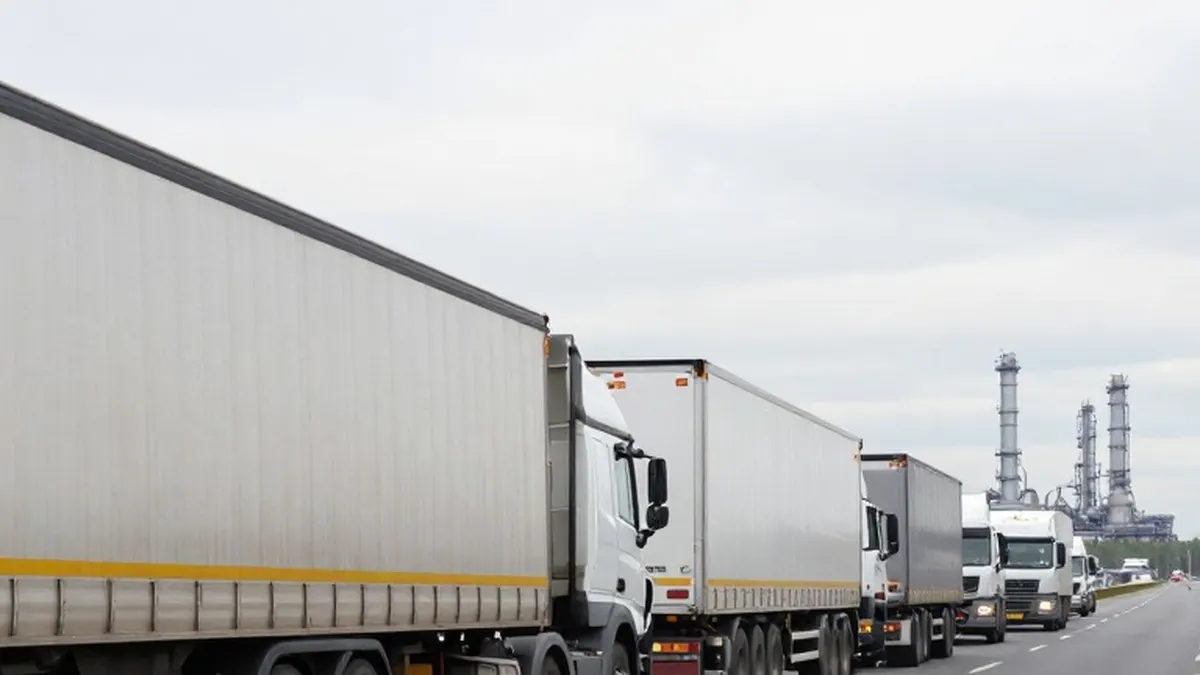
Freight transport costs in Russia have risen sharply, with rates jumping by thirty percent as a direct consequence of the ongoing fuel crisis. This significant increase is affecting logistics operations across the country and is expected to have ripple effects on consumer prices.
According to data cited by the Amsterdam-based independent outlet The Moscow Times, the cost of transport for standard curtain-sided lorries has increased by twenty-eight point three percent compared to October 2025. Specialized refrigerated lorries have seen a similar rise, with rates climbing by twenty-seven point six percent over the same period.
Hauliers attribute these price hikes to fuel supply disruptions that have caused significant downtime. Operators report that they are forced to adjust their routes to navigate the logistical challenges posed by the shortage of fuel. In addition to these operational hurdles, the mandatory switch to electronic documentation is adding to the difficulties faced by transport companies.
Industry experts warn that higher haulage rates will inevitably push up food prices. The impact is expected to be most severe for meat, dairy products, and other perishable goods. These items rely heavily on refrigerated lorries for transport, meaning that any increase in fuel or logistics costs is directly passed on to the final price of these essential commodities.
A transport company executive noted that the ultimate impact on consumers depends on the specific cost structure of each product. As the executive explained, everything depends on what share of the cost of a specific product is made up of delivery and what part of the additional costs manufacturers and retail chains are willing to absorb. However, if high transport rates persist, they will create additional pressure on final prices.
The current fuel crisis is rooted in a series of recent attacks on Russia's energy infrastructure. On the night of November 8 to 9, unmanned aerial vehicles attacked Kirishinefteorgsintez, which is Russia's second-largest oil refinery. The facility is located in Kirishi in Leningrad Oblast and is subject to international sanctions.
These recent strikes are part of a broader pattern of disruption. In September, drone attacks caused three of the six largest Russian diesel producers to suspend operations or significantly reduce their production levels. These outages have contributed to the tightening of the domestic fuel supply.
In response to the evolving market conditions, Russia has decided to extend its ban on diesel fuel exports until the end of the year. This measure aims to secure domestic supplies. However, the government will allow some companies to export fuel under a quota system. This exception is designed to help these firms meet their new commitments to the United States.
The interplay between domestic supply constraints, infrastructure attacks, and trade policy continues to shape the Russian logistics landscape. As the fuel crisis persists, businesses and consumers alike face the challenge of adapting to higher operational costs and potential inflation in key consumer sectors.