American military bases that have helped Washington conduct wars far from its borders are increasingly exposed to attack, raising difficult choices for the United States and its allies, analysts say. The US-Israeli war on Iran, which began on February 28, has highlighted vulnerabilities at installations across the Middle East, while alleged threats in Britain have brought concerns beyond the immediate conflict zone.
In October, the US removed all 12 of its B-1 Lancer bombers from RAF Fairford in Gloucestershire amid concerns about an Iranian threat. British security forces had made several arrests days earlier, and the government accused Iran of involvement in a plot against the base. Tehran denied the allegation. Another dozen American aircraft were withdrawn from RAF Mildenhall earlier in November. Fairford has supported US operations for decades, including during the 1991 Gulf War, the 1999 NATO bombing of Yugoslavia and the 2003 Iraq war.
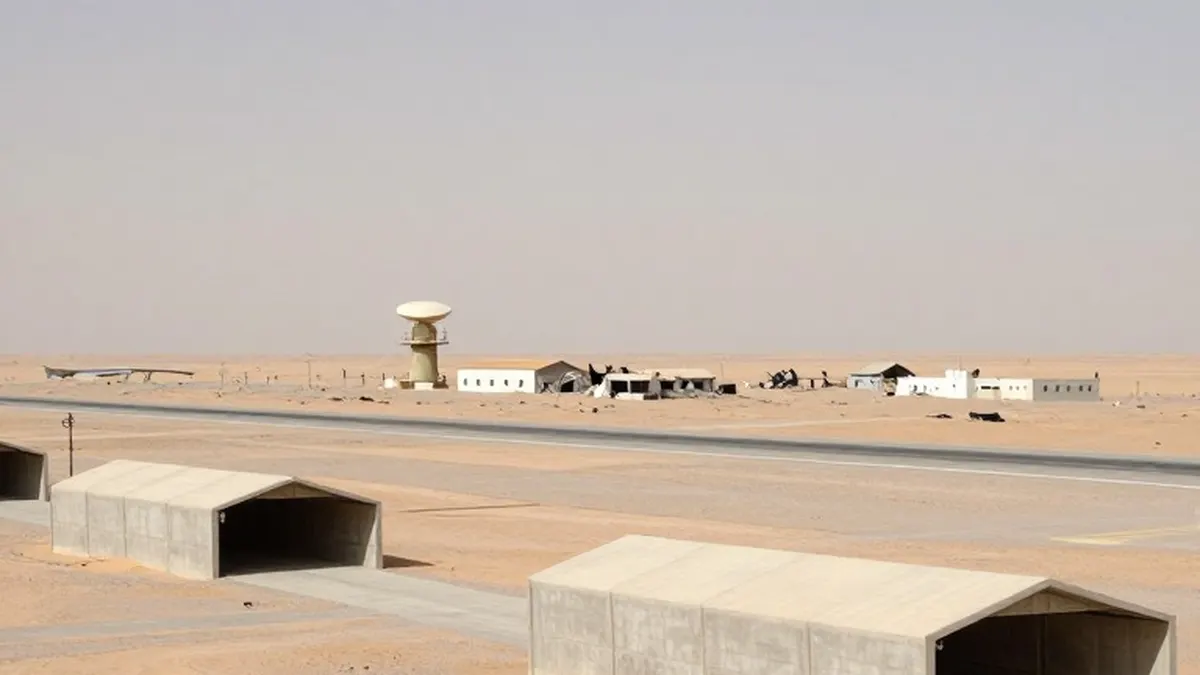
The damage in the Middle East has been extensive. A September report from the Pentagon’s watchdog found that Iranian attacks damaged or destroyed hundreds of structures at US military installations across eight countries during the war’s first four months. In Kuwait, an attack on the Port of Shuaiba killed six American service members and destroyed an army operations centre. Other strikes damaged aviation facilities at Ali Al Salem airbase and maintenance and refuelling facilities at Camp Buehring.
Iranian attacks also damaged an early warning radar at Qatar’s Al Udeid airbase, which hosts the headquarters of US Central Command’s air operations, and struck communications equipment at the US Fifth Fleet headquarters in Bahrain. Reports in July said Washington had transferred many military assets from damaged Gulf bases to Jordan and was considering moving them to Israel. Gerd Nonneman, a professor at Georgetown University in Qatar, told Al Jazeera that some installations had proved too vulnerable to perform many of their intended functions.
For host governments, the conflict has complicated the longstanding assumption that an American military presence strengthens security. Iran cited US bases as a reason for attacking its neighbours, although it also bombed Oman, which has no permanent American base. At the same time, those installations contribute to host countries’ defence through missile interceptions and weapons transfers. Lancaster University professor Simon Mabon told Al Jazeera: “The US security umbrella is becoming a double-edged sword.”
Analysts say drones and relatively inexpensive ballistic missiles have made large bases easier to target. Iran’s domestically produced drones can cause substantial damage while consuming much more costly interceptor missiles. In Britain, the alleged Fairford plot also illustrates concerns about attacks involving actors beyond conventional armed forces. US prosecutors have charged three men described as Iranian-backed operatives with alleged involvement in planning nearly 20 attacks across the US and Europe, including against Fairford.
The wider economic disruption adds urgency to the security debate. Flights and shipping have been affected, putting Gulf oil and gas exports at risk. President Donald Trump said on Monday that additional military action against Iran was unnecessary for now, but the US naval blockade continues and Strait of Hormuz shipping remains disrupted. Analysts say Washington faces a persistent dilemma: overseas bases provide the reach needed to respond to conflicts, while also exposing American forces and host countries to retaliation.