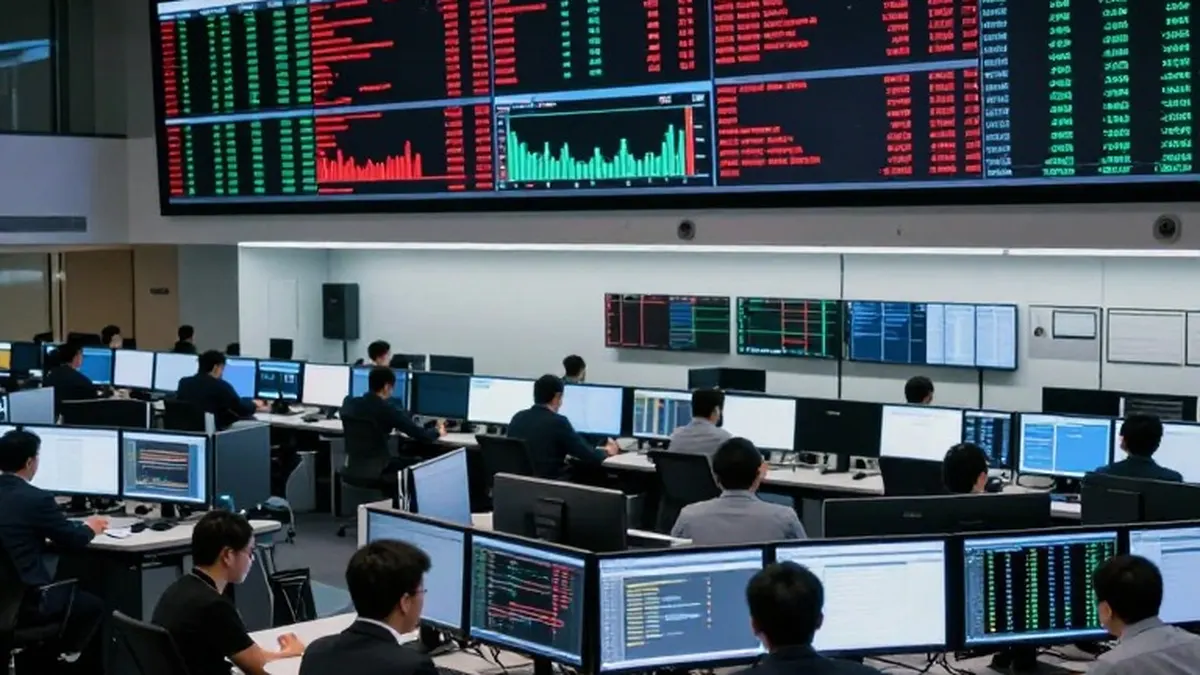
U.S. stock markets experienced a broad decline on Tuesday, November 10, 2026, erasing much of the previous day's gains. The S&P 500 and Nasdaq indices reversed a significant portion of the more than 2% rise they recorded on Monday. Volatility remains high, with equity prices fluctuating sharply from one session to the next. This instability has led investors to adopt a cautious approach, avoiding aggressive buying of higher-priced stocks or excessive selling after sharp drops.
The market is currently grappling with two primary uncertainties: the potential impact of the recent midterm elections on data center construction and ongoing controversies surrounding Nvidia. The CNBC Investing Club downgraded its rating on Nvidia to a 2 on Tuesday morning. This decision was driven by high levels of uncertainty, which made the team hesitant to purchase shares even after the stock fell by 10% over the preceding two days.
Inflation data released on Tuesday significantly altered expectations for monetary policy. The October Consumer Price Index rose by 0.4% year over year, exceeding the 0.3% increase anticipated by economists. Core CPI, which excludes volatile food and energy costs, climbed 0.3%, surpassing the forecasted 0.2% rise. No year-over-year comparisons were available for this period because the government shutdown in the previous year prevented the release of October 2025 data.
The hotter-than-expected inflation figures caused the 10-year Treasury yield to surge back to 5%. Consequently, expectations for a Federal Reserve rate hike at the upcoming December meeting increased sharply. According to CME FedWatch data, the market now fully prices in a 25 basis point increase. There is also a 12% probability that the Fed will raise rates by 50 basis points. Federal Reserve Governor Christopher Waller had earlier in the day suggested he would support more robust action if the data came in hot, a prediction that proved accurate.
Shares of GE Vernova dropped significantly on Tuesday following news that SoftBank took a $3.7 billion write-down related to its power equipment strategy for AI data centers in the United States. This financial adjustment is tied to a major overhaul of the purchase process, which includes SoftBank's large-scale Ohio data center project. GE Vernova serves as the supplier of natural gas turbines for behind-the-meter energy generation at this facility.
SoftBank stated that the Ohio project remains on schedule, though the contract is being revised. The company also addressed comments made by Elon Musk last week on X, where he claimed SoftBank was defaulting on turbine orders. SoftBank described this claim as simply not correct at all. GE Vernova responded to Jim Cramer by noting that customers are securing delivery slots into the 2030s. The company expects to have sold most slots through 2030 by the end of 2026 and said SoftBank's announcement does not impact this timeline.
GE Vernova emphasized that SoftBank remains a valued customer and that there is no negative or positive financial impact based on the Tuesday disclosures. JPMorgan analysts noted in a client report that if delays or cancellations occur, GE Vernova could reallocate the orders to waiting customers. Jim Cramer expressed a similar view, suggesting that available slots would likely be filled quickly.
Although GE Vernova shares fell nearly 10% at their intraday low, the company pared its losses to finish the day down by less than 4%. Investors are not rushing to increase their exposure to data center stocks immediately, given concerns about a potential slowdown in construction following the Democratic wave in the midterm elections. CoreWeave is scheduled to report earnings after the market close on Tuesday. The company's comments on compute demand, the funding environment, and U.S. data center capabilities could influence sentiment in the AI sector.
There are no major corporate earnings reports scheduled before the market opens on Wednesday. The only economic data release planned for Wednesday is the report on weekly mortgage applications. Investors will likely continue to monitor these developments as they assess the broader economic outlook and the Federal Reserve's next moves.