Georgia Attorney General Christopher Carr has formally requested that the Southeastern Conference take significant action against Louisiana State University. In a letter sent to SEC Commissioner Greg Sankey on Wednesday, Carr described the university's recent conduct as a pattern of destructive behavior. The attorney general encouraged the league's presidents and chancellors to impose sanctions on the Tigers, with the recommendation ranging up to and including full expulsion from the conference.
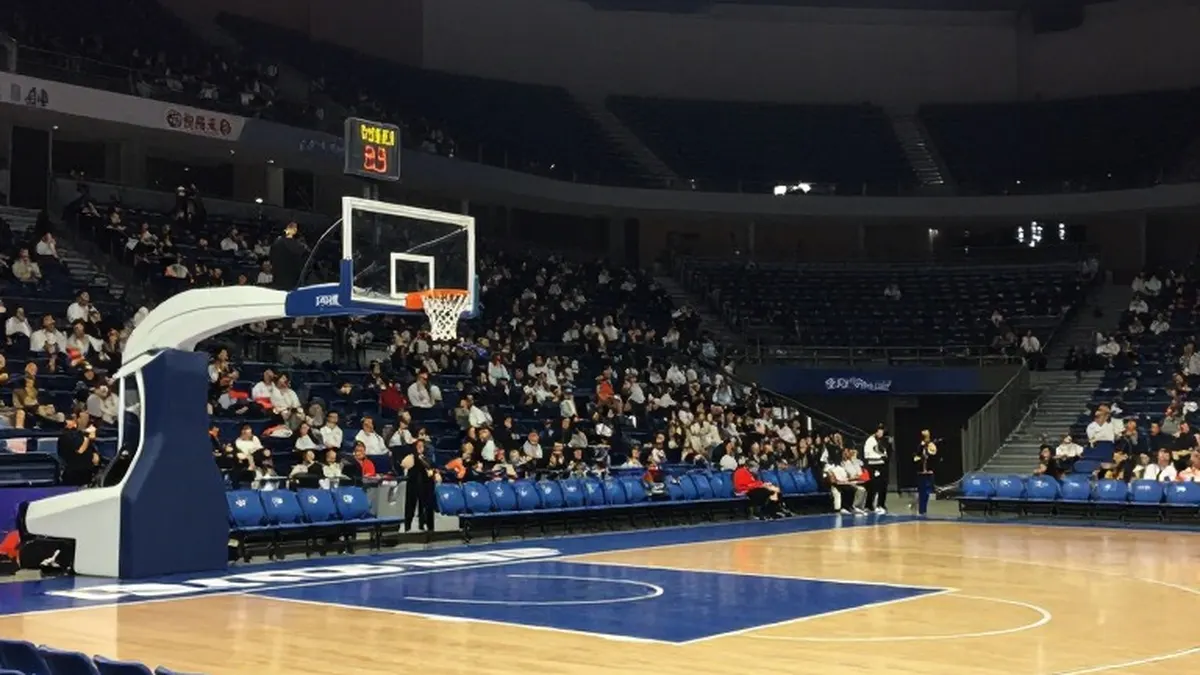
This correspondence marks the second time Carr has addressed the SEC regarding issues with LSU. The letter was released one day after the university placed men's basketball player RJ Luis on its active roster. Luis, who is 23 years old, had previously gone undrafted out of St. John's University in 2025. Following his declaration for the NBA draft in March of that year, he spent the preseason playing professionally for the Boston Celtics.
Carr identified the potential participation of Luis as an immediate issue of grave concern. This concern stems from the fact that the player recently received a temporary restraining order from a state judge in Baton Rouge, Louisiana. The attorney general argued that LSU is attempting to benefit from legal complexities that the school helped to coordinate. He specifically noted that the university's continued disregard for league rules, which it has voted on and agreed to, cannot go unaddressed.
The timeline of legal developments has complicated the SEC's ability to punish the school directly. On Friday, Luis secured a preliminary injunction from a local judge that allowed him to play another college season. On Monday, the SEC confirmed it would abide by the terms of this injunction while it remains in place. Consequently, the league stated it would not levy penalties against LSU for adding the player to the roster, despite the ongoing dispute.
The central conflict revolves around an SEC rule passed on August 25. This regulation restricts eligibility for players who previously declared for the NFL, NBA, or WNBA drafts and did not appropriately withdraw their names. The SEC issued a statement on Tuesday describing LSU's decision to roster Luis as a deeply concerning and disappointing development, though the language was carefully chosen to reflect the current legal standing.
LSU has faced scrutiny from the conference for months. A federal lawsuit was filed following a dispute involving two football players, Dae'Quan Wright and Zxavian Harris. Both athletes had verbally committed to LSU after spending time in NFL training camps. They sued in local court in Baton Rouge to establish their eligibility to play for the university.
Although Wright and Harris received preliminary injunctions permitting them to play, LSU ultimately chose not to roster them. This decision was made on September 4, the Friday night before the season opener against Clemson. The move was seen as a strategic response to the league's enforcement efforts.
The legal battle escalated on September 3 when the SEC filed a federal lawsuit in Alabama to enforce its own rules. Five days later, the league filed an amended complaint. In this document, the SEC accused LSU of a lack of institutional control over its athletic programs. The league also scheduled a vote among its presidents and chancellors to potentially expel the Tigers, although that vote has not yet taken place.
In a statement on September 8, the SEC reaffirmed its right to establish rules through agreed-upon governance procedures. The conference emphasized that member universities are expected to follow these rules, and that commitment to these core principles is an essential element of membership.
The dispute has also involved state legal figures. The SEC added Louisiana Attorney General Elizabeth Murrill as a defendant in its amended complaint. This addition highlights the broad scope of the legal challenges surrounding the eligibility rules and the relationship between the conference, its member schools, and state authorities.