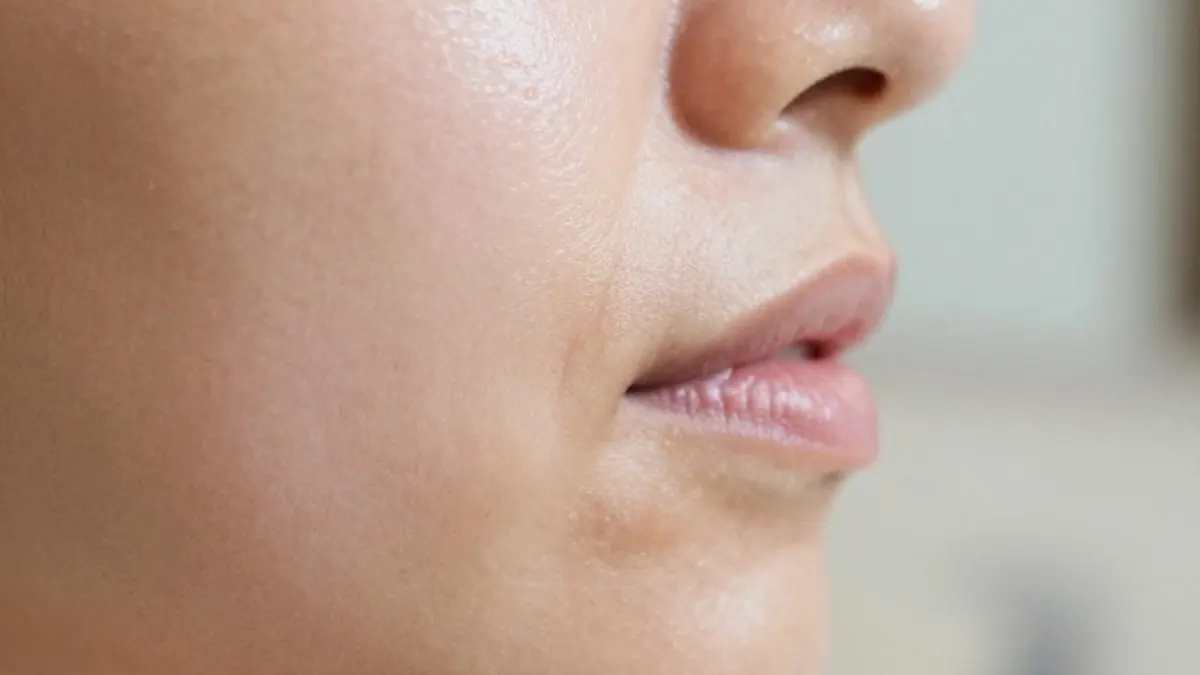
The beauty industry is undergoing a noticeable shift away from the high-gloss aesthetic that dominated social media for years. While the so-called glass skin trend emphasized a flawless, lacquered finish often achieved through multi-step routines, a new movement known as bloom skin is gaining traction. This emerging preference prioritizes a complexion that appears naturally plump, healthy, and softly radiant rather than overly shiny.
Experts in the field note that this change represents a return to biological realism. Dr. Pearl Ugwu-Dike, a board-certified dermatologist in New York City, described the shift as a refreshing move toward allowing skin to look like skin. She noted that while the previous trend focused on a mirror-like shine, the current approach values natural luminosity and hydration without the appearance of excess gloss.
The central tenet of this approach is the health of the skin barrier. Dr. Jane Yoo, a board-certified dermatologist and Mohs surgeon also based in New York City, explained that the desired glow originates from within a resilient and well-nourished barrier. By placing skin health ahead of cosmetic perfection, the trend becomes accessible to a broader range of people, including those with acne or sensitive skin who previously felt excluded by the demands of the glass skin aesthetic.
Dermatologists suggest that achieving this look requires consistency rather than an accumulation of products. Yoo emphasized that a realistic goal is built on fundamentals. She recommended focusing on protecting the outermost layer of the skin, which functions to lock in moisture and keep irritants out. Damage to this barrier, often caused by harsh cleansers, hot water, or overexfoliation, leads to dryness and redness, which contradicts the plump, radiant look the trend seeks.
To maintain barrier integrity, experts advise using gentle cleansers and limiting exfoliation to once a week. The routine should remain simple, consisting primarily of a cleanser, a moisturizer, and daily sunscreen. Adding too many steps increases the risk of irritation, which can result in dullness and dryness. Yoo stressed that sunscreen is non-negotiable, as she sees the consequences of sun damage, such as premature aging and skin cancer, in her practice every day.
Specific ingredients play a crucial role in supporting this healthy appearance. Hyaluronic acid and glycerin are highlighted as humectants that draw water into the skin, improving suppleness and softening dehydration lines. Ceramides and fatty acids are also essential, as they help rebuild the barrier and reduce water loss. Ugwu-Dike compared ceramides to the mortar that holds skin cells together, noting that a functioning barrier results in smoother and less irritated skin.
Other recommended ingredients include niacinamide, which supports barrier function and addresses uneven tone, as well as peptides and vitamin C for long-term improvement and brightening. Retinoids are noted for their ability to improve texture and support cell turnover, though experts advise introducing them slowly to avoid irritation. Soothing agents like centella asiatica and panthenol are also suggested for calming reactive skin.
The overall message from dermatologists is that the bloom skin trend encourages a sustainable and functional approach to skincare. By focusing on the biology of the skin rather than just the surface finish, individuals can achieve a healthy glow that endures over time. This method allows for a more relaxed routine that supports the skin's natural functions without the pressure to maintain an artificial, reflective surface.