Defense ministers from the Gulf Cooperation Council have reached an agreement to establish a forward military command in Kuwait. This strategic move comes as regional tensions escalate due to renewed combat in Yemen, Iranian threats to maritime shipping lanes, and persistent Houthi attacks on Saudi Arabia. The decision reflects lessons learned from nine months of ongoing conflict and signals a strengthening of the GCC's collective defense posture.
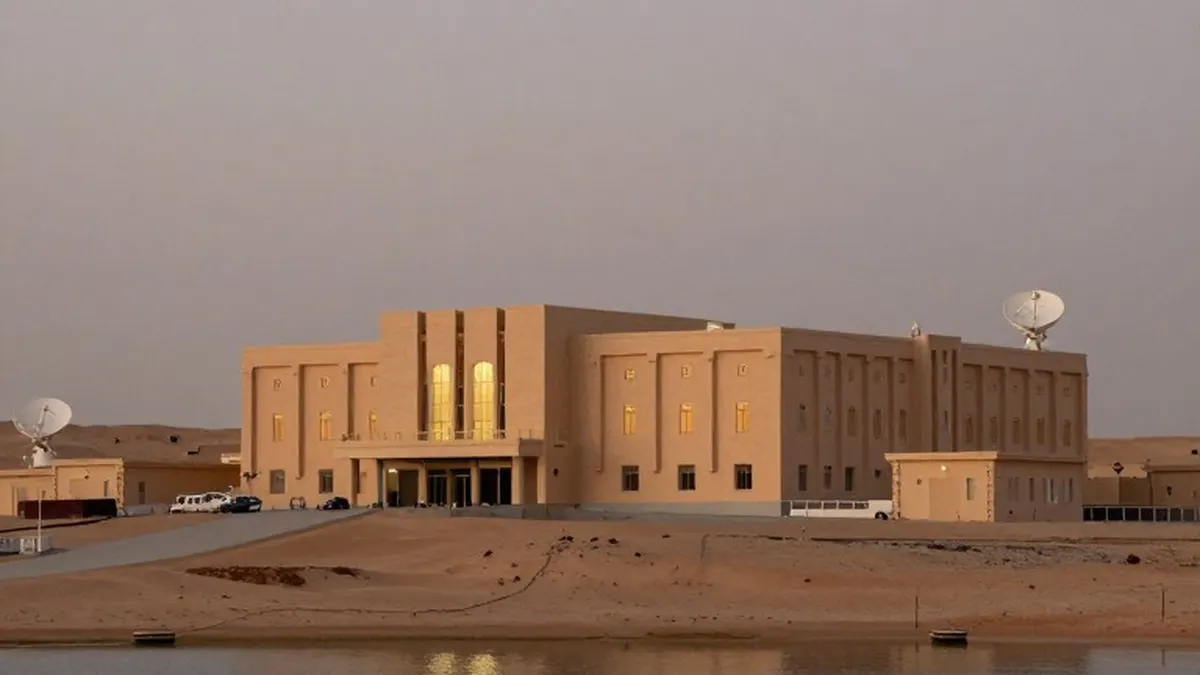
The announcement was made by GCC Secretary-General Jassim al-Budaiwi on Tuesday following the 23rd session of the GCC Joint Defense Council held in Bahrain. According to reports from Arab News, the new headquarters will operate under the GCC Unified Military Command and will have dedicated military forces assigned to it. This follows an extraordinary summit in Jeddah in April, which called for enhanced military coordination to address common security threats.
Al-Budaiwi condemned recent Iranian attacks on Gulf states and Houthi strikes on Saudi Arabia. He emphasized that the security of the Kingdom is an integral part of the security of all GCC countries. The announcement coincided with reports from Yemen's internationally recognized government, which stated that they had launched a major military offensive against the Iranian-backed Houthis.
Yemeni government military spokesperson Majed al-Nuzaili detailed the scale of the operation, referred to as Operation Dawn of Yemen. Government-aligned forces conducted 874 attacks against Houthi targets over several hours. The military claimed that approximately 190 Houthi fighters and commanders were killed or wounded. Additionally, around 130 military vehicles and other pieces of equipment were destroyed or damaged.
The operations included 29 airstrikes, 39 drone strikes, 62 rocket-launcher missions, and 744 artillery missions. Forces such as the Nation's Shield Forces, Giants Brigades, and National Resistance also claimed territorial gains on southern and southwestern fronts. Active fighting continued in key areas including Marib, al-Jawf, and Taiz.
Simultaneously, the Iranian-backed Houthis reported a series of Saudi military actions on Wednesday. These included airstrikes in Taiz and Lahj provinces, artillery shelling along the Saudi-Yemen border, and an attempted incursion into airspace over the capital, Sanaa, by Saudi F-15 fighter jets. Houthi-affiliated media network Al-Masirah described these incidents as part of a renewed Saudi military escalation.
Houthi military spokesperson Brigadier General Yahya Saree stated that their air defenses, developed with Iranian backing over the last decade, were used against the Saudi aircraft. The Houthis also claimed that civilians were wounded in the al-Jubbanah area of Razeh district and in the center of Qatabir district. While some details may be influenced by propaganda, these claims offer insight into how the Houthis perceive the current military situation.
Maritime security remains a critical concern. Iran reported on Wednesday that an oil tanker struck a mine and caught fire in the Strait of Hormuz. The UK Maritime Trade Operations agency separately reported a tanker incident but could not confirm the crew's condition or the extent of the damage. These events highlight the continuing threats to shipping through the strategic waterway, which carries approximately one-fifth of global oil supplies.
Diplomatic efforts are also underway to manage the crisis. Saudi Foreign Minister Prince Faisal bin Farhan met with representatives from Qatar, France, Germany, Italy, and the United Kingdom on the sidelines of the G7 foreign ministers' meeting in Paris. Participants discussed Houthi attacks on civilian infrastructure, efforts to reduce tensions between the US and Iran, and the importance of protecting maritime trade routes.
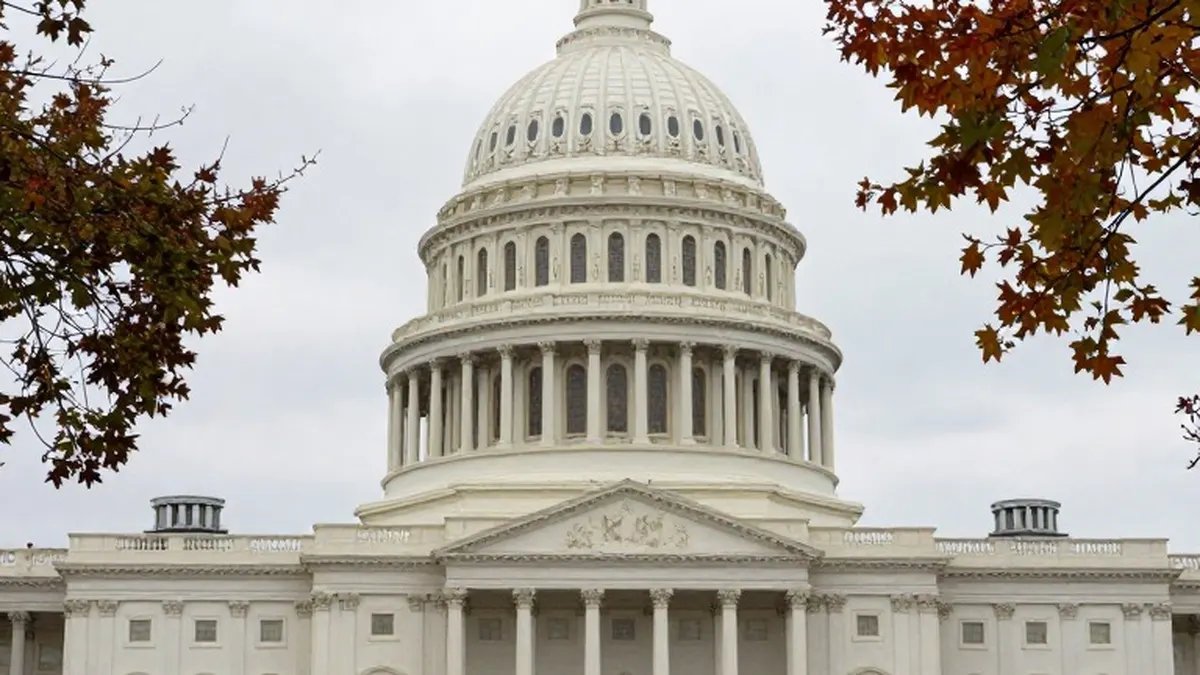
The United States is also moving to strengthen its diplomatic presence in the region. Wesley Hunt, President Donald Trump's nominee for the next US ambassador to Saudi Arabia, pledged to deepen Washington’s strategic partnership with Riyadh. He was nominated in September and spoke before the Senate Foreign Relations Committee. Additionally, former Kansas governor Jeffrey Colyer has been nominated as the American ambassador to the UAE, while Matthew Millhollin from Tennessee was nominated for the post in Oman.