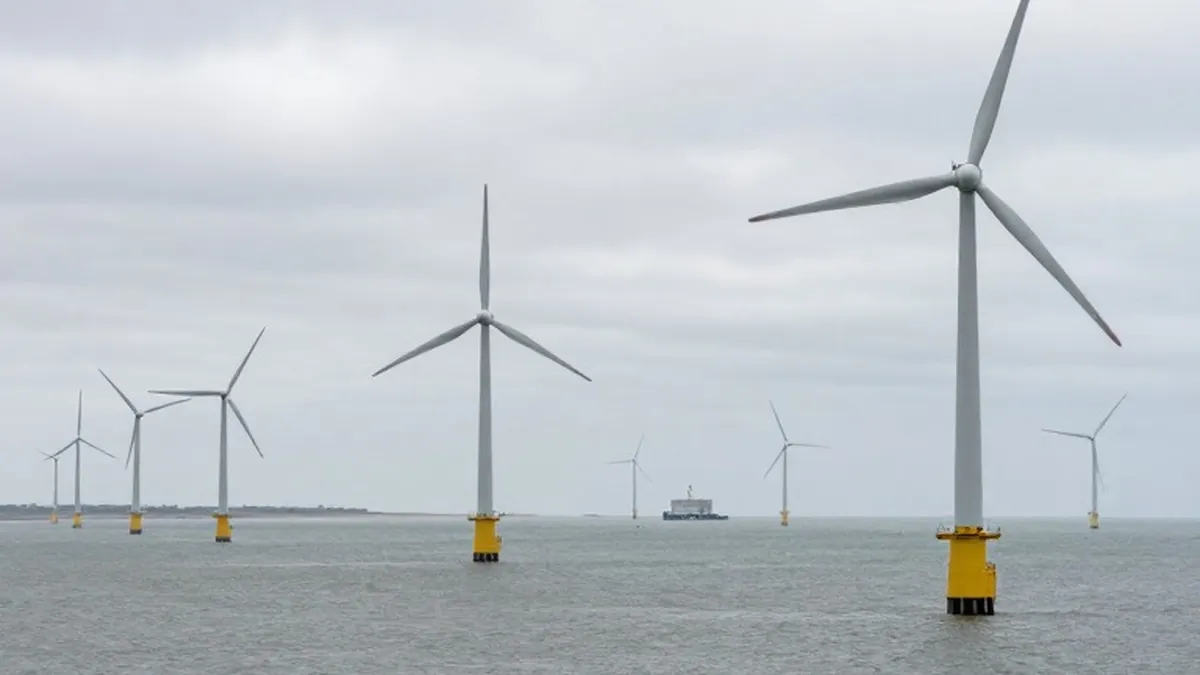
John Healey has said he will block new offshore wind projects that cannot lower energy bills, setting a condition for subsidy contracts as the government faces questions about its commitment to renewable power. Ministers will approve bids only if they believe Britain’s electricity grid can accommodate all the power produced without increasing costs for consumers.
Writing in the Times, the chancellor argued that clean electricity remained essential to reducing Britain’s exposure to international gas prices. But he said the expansion needed to match the availability of grid connections. The next renewables auction would prioritise projects capable of cutting bills and improving energy security, rather than adding generation that could require payments to shut down.
The announcement follows more than £3bn in cuts to the energy department’s budget, much of which will help finance increased defence spending. Those reductions have raised further doubts about Labour’s goal of clean power by 2030. Renewable energy experts have also warned that the cuts make Britain’s green heating targets unlikely to be achieved, with the reductions viewed as a dismantling of former energy secretary Ed Miliband’s agenda.
At the centre of the grid concerns are payments made when wind farms have to stop generating because there is insufficient cable capacity to carry their electricity to consumers. The National Energy System Operator, known as Neso, makes those payments and is funded through energy bills. A National Audit Office report published in September warned that dealing with the problem could leave households and businesses facing annual costs of £7.8bn by 2030.
Healey rejected the suggestion that his approach represented a retreat from clean power. He argued that cheaper electricity would encourage households and businesses to electrify, supporting energy security and wider decarbonisation. He also said renewable generation installed in recent years had softened the impact of the gas price shock in 2026, and that abandoning renewables would increase Britain’s exposure to volatile markets.
Clean heating support is among the areas affected by the budget reductions. The boiler upgrade scheme, which encourages households to replace gas boilers with electric heat pumps, faces a £741m cut. A typical household can receive £7,500 towards a heat pump under the scheme, while about 60,000 are installed in existing homes each year.
The government wants annual installations to reach 250,000 by 2030. It had planned to raise the scheme’s funding from £400m in 2026 to just over £700m in the 2029-30 financial year. The funding reduction has prompted warnings that those ambitions are being undermined.
Some see the cuts as evidence of a wider move away from the renewable energy policies championed by Miliband and his successor, Miatta Fahnbulleh. Allies of both maintained that the government’s commitment remained strong, citing Healey’s announcement of a long-term shift of green costs from energy bills to taxpayers, a change both energy secretaries had supported.