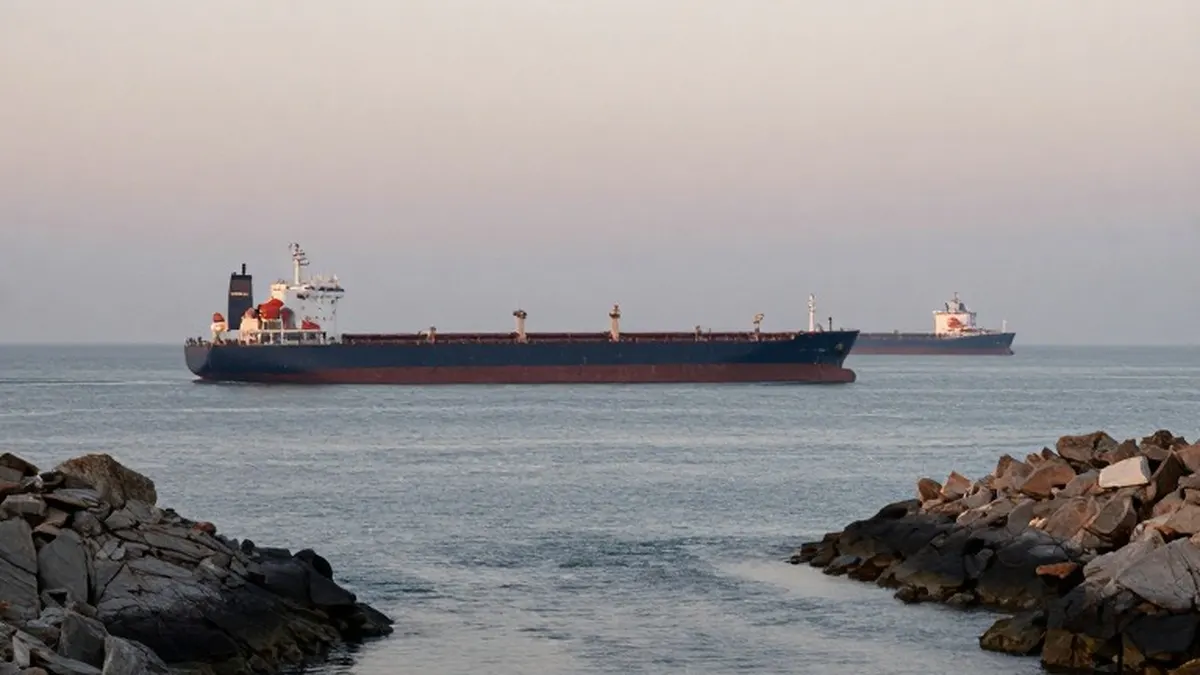
Mohammad Bagher Ghalibaf, the speaker of the Iranian parliament and the country's lead negotiator, has declared that the Strait of Hormuz will never revert to its operational status from before the war between the United States, Israel, and Iran. In an exclusive interview with Al Jazeera released on Wednesday, Ghalibaf emphasized that the geopolitical landscape of this critical maritime route has shifted irrevocably due to the recent hostilities.
The parliament speaker revealed that Iran and Oman have reached a mutual understanding to jointly oversee the waterway. This arrangement forms a central part of Tehran's seven-point proposal designed to conclude the eight-month conflict. Ghalibaf argued that the concept of free international waters does not apply to the strait, noting that the 1982 United Nations Convention on the Law of the Sea is not relevant in this specific context. He asserted that the regulations governing the Strait of Hormuz are dictated by the laws of the two neighboring littoral states.
Ghalibaf explained that Tehran has transmitted a clear response to Washington through a Qatari mediator. This response details the seven conditions required for peace talks to commence. Among these demands are the lifting of the US-imposed naval blockade and sanctions, the release of frozen Iranian funds, a cessation of fighting across all fronts, and a formal announcement declaring the end of the war. The Iranian leader stated that the nation is currently awaiting an official reply from the American side, remarking that the initiative now rests with the United States.
He noted that these conditions align with the Islamabad memorandum of understanding signed in June. Ghalibaf insisted that these terms must be implemented before any formal negotiations with the US can begin. He expressed optimism that an agreement is achievable if America adheres strictly to the agreed-upon terms without making excessive demands or engaging in actions that erode trust. However, he identified a lack of confidence in the United States as the primary obstacle preventing a deal.
During a recent visit to Moscow, Ghalibaf said that US officials requested Russian President Vladimir Putin to mediate direct negotiations between Tehran and Washington. The Iranian negotiator also issued a warning against fresh American attacks, suggesting that President Donald Trump would face another defeat and increasing political pressure from the new Congress taking office in January. He stressed that Iran is committed to moving beyond a state of neither war nor peace, advocating for a sustainable deterrent capability that includes robust military assets.
Addressing the ongoing conflict in Yemen between the Saudi-backed government forces and the Houthi group, also known as Ansar Allah, Ghalibaf stated that no external party should interfere in the internal dispute. He added that if both the Yemeni government and Saudi Arabia requested assistance, Iran would gladly offer its help to resolve the conflict. This stance follows Iran's earlier offer in October to facilitate talks between the two sides after a series of deadly attacks on the Saudi kingdom.