Paraguay is experiencing a severe political and economic crisis following the rapid collapse of Ueno Bank, a digital lender that had become a dominant force in the country's financial sector. The seizure of the bank by the central bank has led to widespread protests, the detention of key executives, and an impeachment motion against President Santiago Peña. The incident has exposed deep concerns about the proximity between the ruling political party, financial regulators, and the business elite.
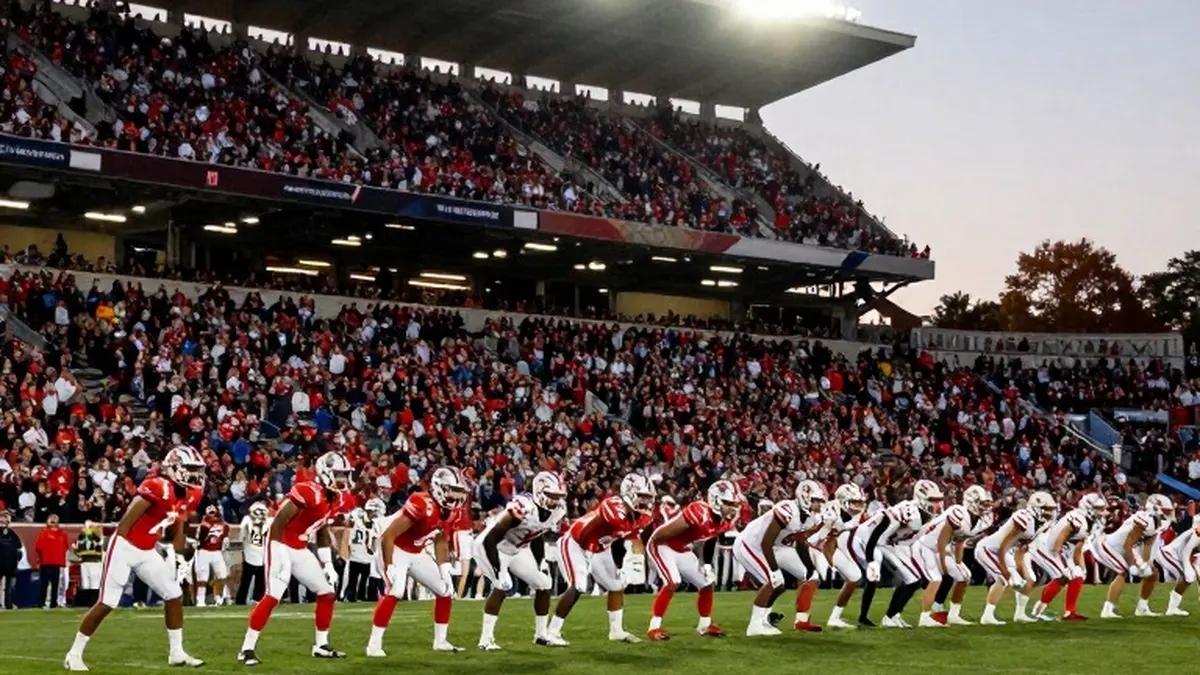
Ueno Bank, which rebranded from an older finance company, grew from a minor player to a household name in less than five years. It claimed more than 60% of Paraguayan adults as customers, utilizing aggressive marketing strategies such as generous cash-back offers and high-profile sponsorships, including naming rights to the national stadium. By last month, the bank held approximately $800 million in public deposits, representing about a quarter of its total holdings, which included funds from the state pension and health systems as well as operators of major hydroelectric dams.
The crisis culminated on Monday when regulators identified significant issues in the bank's lending practices. Inspectors found poorly documented loans to companies linked to Ueno's owners and expenses incorrectly classified as assets. These findings revealed that the bank's capital cushion had fallen to less than half the legal minimum. Consequently, the central bank seized the institution on Tuesday, announcing plans to transfer customer accounts and remaining assets to other banks before liquidating the rest.
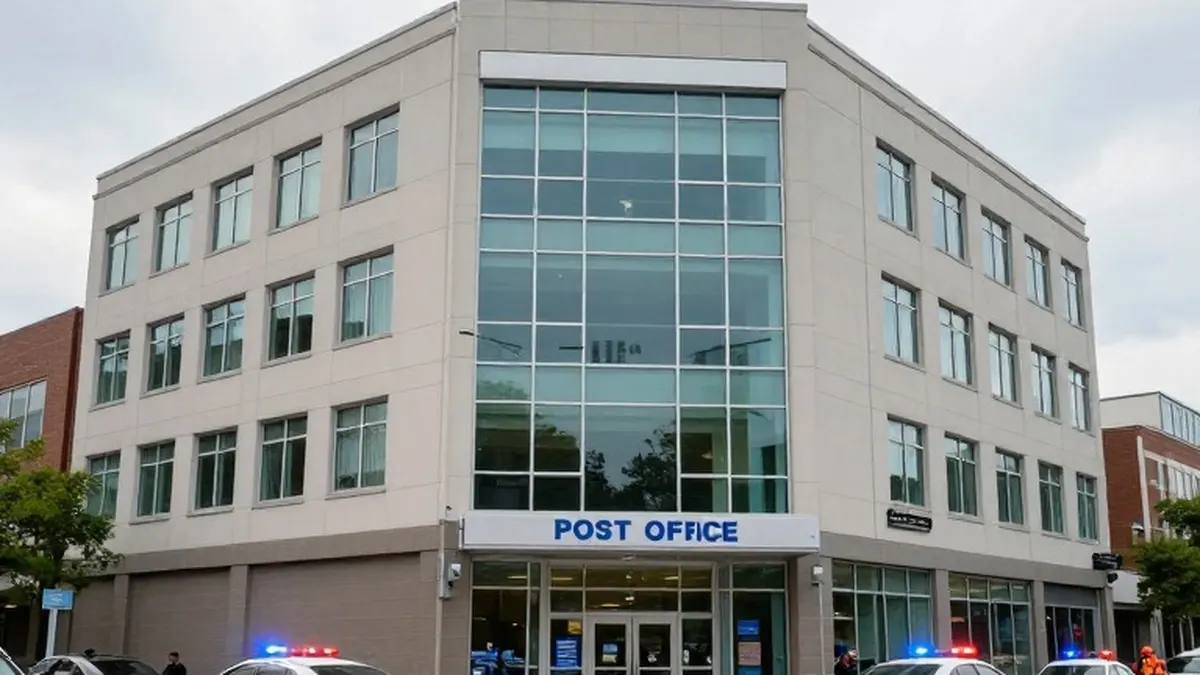
The immediate aftermath saw Ueno’s digital services and physical branches shut down, trapping depositors' funds. On Wednesday, a rush to open new accounts elsewhere caused mobile banking apps at other institutions to crash, intensifying public panic. Officials have since begun repaying depositors and opening new accounts for approximately 280,000 individuals who had banked exclusively with Ueno. Pedro Acosta Bernal, the newly appointed interim central bank president, insisted that the broader banking system remains sound.
The financial turmoil has accelerated a political revolt within President Peña's conservative Colorado Party. After former President Horacio Cartes, a powerful party leader, withdrew his support, both main factions of the ruling party in the lower house pledged to back an impeachment motion. A debate on the matter was scheduled for Thursday. Impeachment requires a two-thirds majority in the lower house to send the case to the Senate, where another two-thirds vote is needed for removal.
President Peña, a 47-year-old former International Monetary Fund economist, had previously dismissed warnings about Ueno as a smear campaign. He maintained a stake in the bank's holding company until last year and had appointed Carlos Carvallo, the president of Ueno’s predecessor, to lead the central bank. Carvallo resigned at Peña’s request on Wednesday. In a video message, Peña accepted no direct blame for the scandal but promised to protect depositors' savings, stating that Paraguay needs institutions that provide answers.
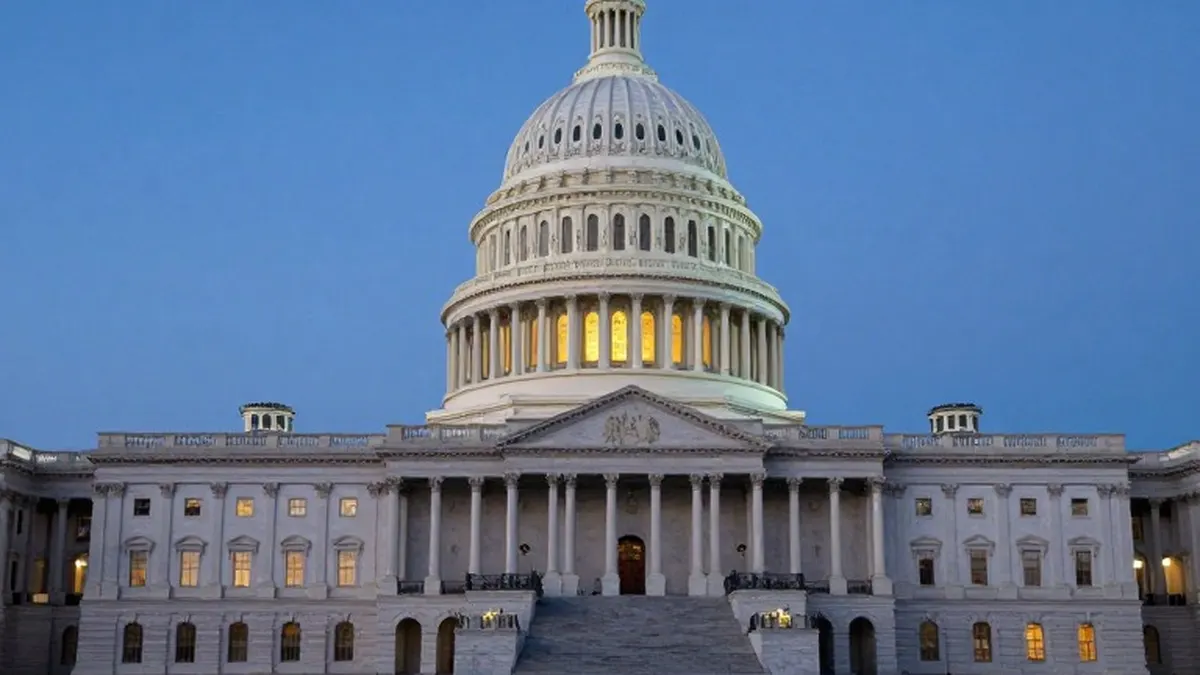
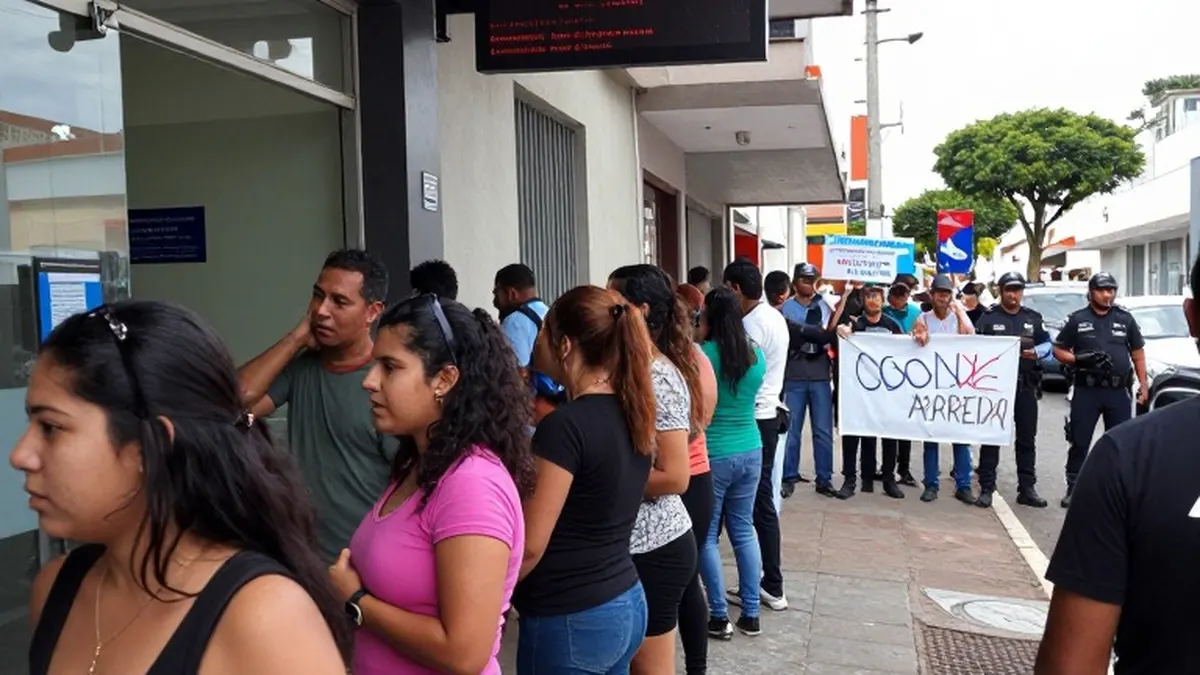
Public anger has manifested in large-scale demonstrations across the capital, Asunción. Protesters, including retirees, students, and workers, have marched to Congress and gathered outside the Labor Ministry. They have demanded the return of their money and the president's removal, with chants describing Peña as the enemy of savers. Riot police responded to the crowds with pepper spray and rubber pellets.
Authorities have detained eight senior Ueno executives, including founder Miguel Vázquez and bank President Juan Manuel Gustale. Prosecutors have charged 27 officials and business associates with offenses such as breach of trust and attempted fraud. Hundreds of employees from Ueno and its parent conglomerate, Grupo Vázquez, protested for unpaid wages and severance, highlighting the human cost of the bank's failure.
The collapse has been viewed by many as a symbol of systemic corruption, with Paraguay ranking just above Venezuela in South America on Transparency International's perceived corruption index. Fresh graffiti in the capital denounces politicians as thieves, while Ueno's logo has been removed from the national stadium. The incident underscores the fragility of trust in the country's financial institutions and the political stability of its government.
As the nation navigates this crisis, the focus remains on how a bank with such close ties to the presidency could expand so rapidly despite internal warnings from central bank inspectors as early as June. The ongoing liquidation process and political maneuvering in Congress will determine whether Paraguay can restore confidence in its financial system and maintain political stability.