Russian President Vladimir Putin has put forward a proposal for a humanitarian mission in the Donbas city of Kostiantynivka. The initiative mirrors a recent operation conducted in Oleshky. Putin asserts that Russian forces currently control the city and that the remaining civilian population should be evacuated. He estimates that it would take five days to clear the necessary access roads. As part of the plan, Putin has suggested including human rights organizations from both Ukraine and Russia, along with delegates from the foreign press, in the mission.
This proposal follows recent discussions between the Russian government and US representatives who have been negotiating to end the war. Analysts note a dual strategy from Moscow. While Russia signals a willingness to reach agreements, it simultaneously promotes its own narrative regarding the current state of the front line. The timing of the offer coincides with ongoing diplomatic efforts to secure a ceasefire.
The status of Kostiantynivka remains a point of contention. In July, Russia announced it had captured the city but did not provide evidence to support the claim. Ukraine maintains that fighting is still active in the area. According to DeepState, a Ukrainian open-source interactive map of military operations, the Ukrainian army still controls the city, although the situation on the ground is described as extremely difficult.
Ukrainian President Volodymyr Zelenskyy responded to the proposal by stating that Putin wants Ukraine to leave so that Russian forces can occupy the entire city. Zelenskyy noted that Ukraine has always provided opportunities for civilians to depart. He also pointed out that Russia used the temporary ceasefire in Oleshky to move military equipment and weapons into the city rather than focusing solely on humanitarian needs.
Kostiantynivka serves as the southernmost point in the Donetsk fortress belt, which also includes Druzhkivka, Kramatorsk, and Sloviansk. Capturing this city would allow Russian troops to advance toward Druzhkivka and the larger urban area of Sloviansk and Kramatorsk. Military expert Oleksandr Kovalenko compares the defensive role of Kostiantynivka to that of Bakhmut, Avdiivka, or Chasiv Yar, all of which held back Russian forces for years.
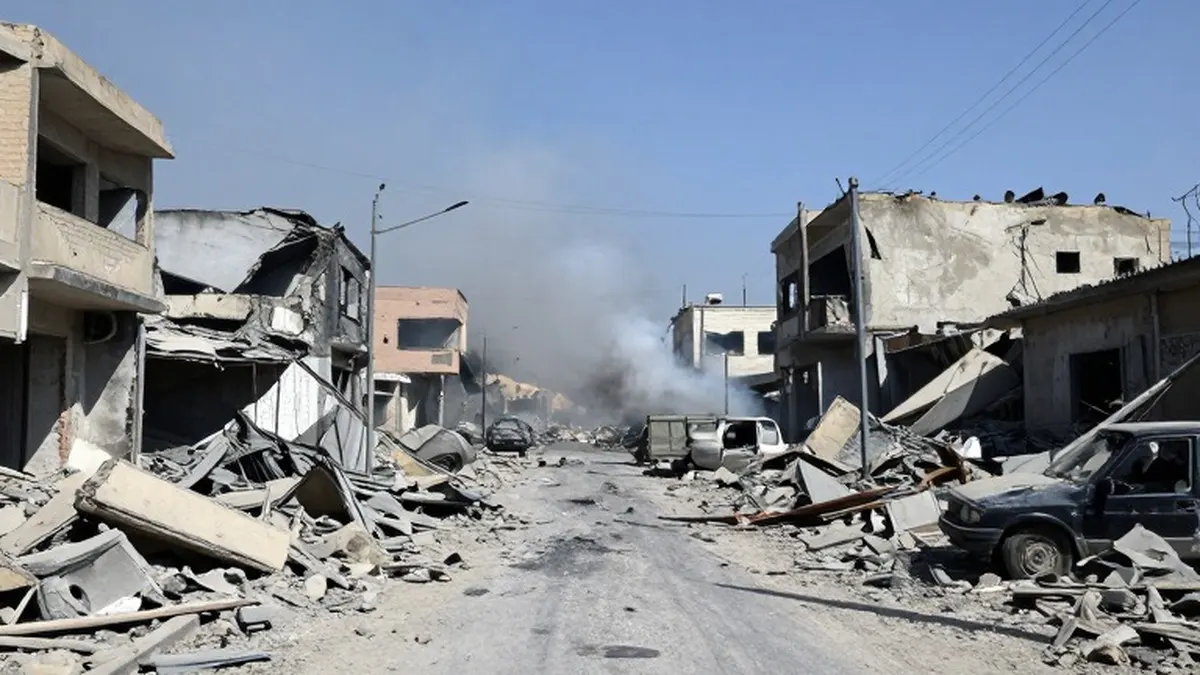
Local authorities describe the humanitarian situation as catastrophic. The city had a pre-invasion population of around 70,000, but only about 340 civilians remain. There are no central supplies of water, electricity, or gas, and no public transport. Since spring 2026, evacuation has been possible only on foot. Military analyst Denys Popovych stated that while residents need to be evacuated, the process is nearly impossible without a ceasefire because Russian troops control the road to Druzhkivka and drones are active in the region.
Experts believe Moscow is using the humanitarian issue to strengthen its negotiating position. Kovalenko argues that the Russian army aims to gain time to reinforce units fighting nearby. Yevhen Zakharov, director of the Kharkiv Human Rights Protection Group, expressed concern that the proposal has different objectives than claimed. He advised the Ukrainian side to treat the initiative with caution, noting that it is suspect.
Kyiv faces a complex diplomatic challenge because US intermediaries are also pushing for the mission. Popovych warned that if Ukraine rejects the proposal, critics may argue that Kyiv is rejecting peace and neglecting its citizens. This dynamic, he said, is the core calculation behind the Russian strategy.
Following the Oleshky ceasefire, which lasted from October 27 to November 1, the Ukrainian General Staff reported that Russian forces used the time to rotate troops, entrench positions, and bring in ammunition. Kovalenko believes Russia is proposing a similar pause because its army is losing ground in Kostiantynivka and urgently needs reinforcements that cannot be delivered during active fighting.
Opinions differ on how Kyiv should respond. Popovych suggests Ukraine should not reject the proposal but instead insist on clear conditions based on past experiences, such as keeping soldiers at their posts. Oleksandr Pavlichenko from the Ukrainian Helsinki Human Rights Union recommends a counter-proposal involving the withdrawal of Russian troops and unimpeded civilian departure. He argues that a neutral third party, ideally the International Committee of the Red Cross, should supervise the mission to ensure safe passage and inspire confidence.