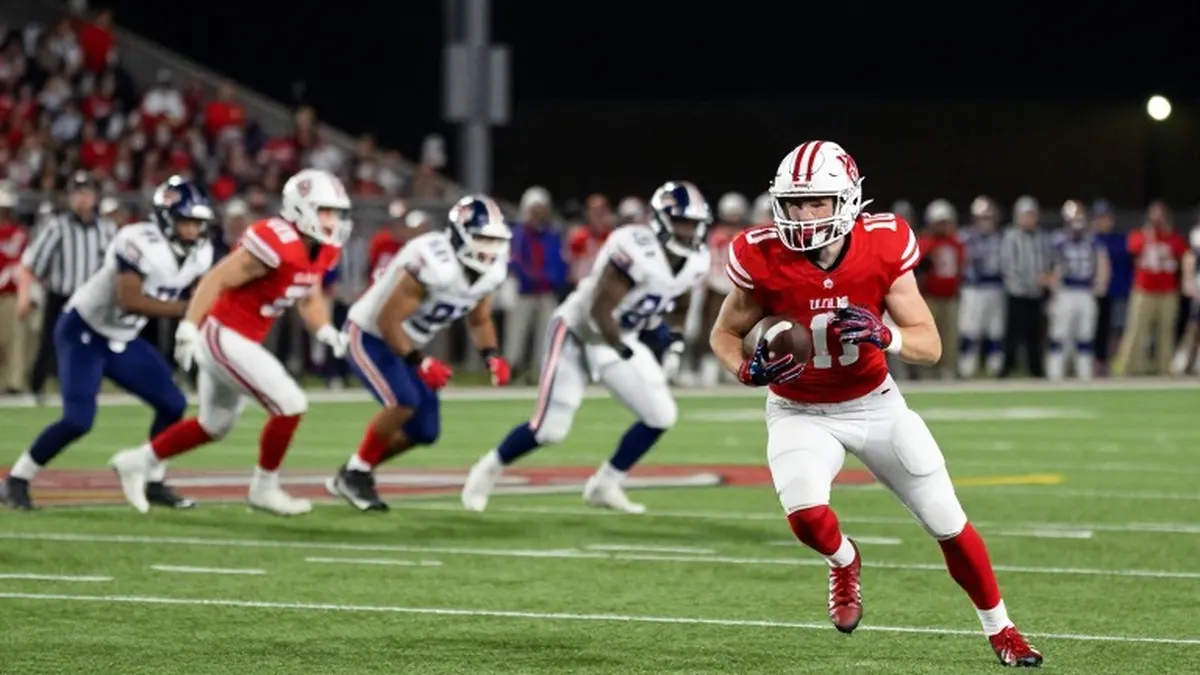
For the past two seasons, the Kansas City Chiefs struggled with a persistent offensive issue: an inability to generate big plays. According to data from Tru Media, the team produced a gain of 20 or more yards on only 4.8% of its offensive plays during the 2024 and 2025 seasons. This rate placed the Chiefs in a tie for 29th in the NFL, a stark contrast to their reputation as one of the league's most explosive units.
Between 2018 and 2023, the Chiefs created an explosive play on 7.2% of their offensive snaps. This figure ranked second in the league, trailing only the San Francisco 49ers by a margin of 0.1%. However, defensive strategies shifted significantly in the later part of the Tyreek Hill era. Opponents began prioritizing two-high coverages to neutralize deep passing threats, effectively daring the Chiefs to move the ball through short passes and runs. While Kansas City initially succeeded in this approach, their overall success rate dropped from 50.5% in the 2021 to 2023 period to 48.5% in the subsequent two years.
Defenses grew particularly confident in limiting the Chiefs' ground game. With an injury-plagued Isaiah Pacheco and an aging Kareem Hunt in the backfield, the team could not threaten defenses with big runs. Opponents were content to let Kansas City accumulate small gains of around three and a half yards per carry, which often put quarterback Patrick Mahomes into difficult down and distance situations.
To address this vulnerability, the Chiefs invested heavily in free agency by signing Kenneth Walker III to a three-year contract worth $43.05 million. Walker had been one of the most explosive running backs in the NFL, ranking seventh in explosive run rate among backs with at least 500 carries from 2022 to 2025. He was only 0.3% behind the third-place finisher on that list.
The move has yielded immediate and significant results. The Chiefs have climbed from last place in the NFL in explosive run rate during the previous two seasons to third in the 2026 campaign. Combined with backup Emmett Johnson, the team has already recorded more explosive runs this season than it did in the last two years combined. This improvement has occurred without sacrificing efficiency, a factor that had been a minor concern regarding Walker's fit.
Kansas City's yards per carry average has surged from 31st in the league to first, while their expected points added per play on rushing attempts has moved from 14th to first. Tru Media analysis indicates that while the offensive line has created slightly more yardage before contact, the dramatic difference lies in yards after contact and avoided tackle rates.
Walker is credited with creating explosive plays through a variety of techniques. He frequently cuts through narrow gaps to burst for big gains or bounces runs to the outside to beat defenders to the corner. He and Johnson also demonstrate strong vision and quickness in finding cutback lanes when the front side is clogged. Johnson, in particular, is noted for his ability to shake off initial tacklers, forcing multiple defenders to engage to bring him down.
The combined effort of these two running backs has transformed the offense. The Chiefs, who were 11th in EPA per play in the previous two seasons, are currently fifth in that metric. They also rank fifth in success rate and first in yards per play.
These gains are notable given the team's challenges. The Chiefs have played without their starting left tackle all season and benched a guard for disciplinary reasons in two games. They also did not add talent to the pass catching corps until trading for Josh Downs last week. The offensive resurgence has been driven almost entirely by the run game and the individual abilities of its running backs.