Drug gangs in Marseille are recruiting young people across France to sell drugs and carry out kidnappings, torture and murder, according to a BBC investigation. Interviews with gang members, residents and police describe a system in which promises of quick money draw vulnerable teenagers into criminal networks that can become difficult to escape.
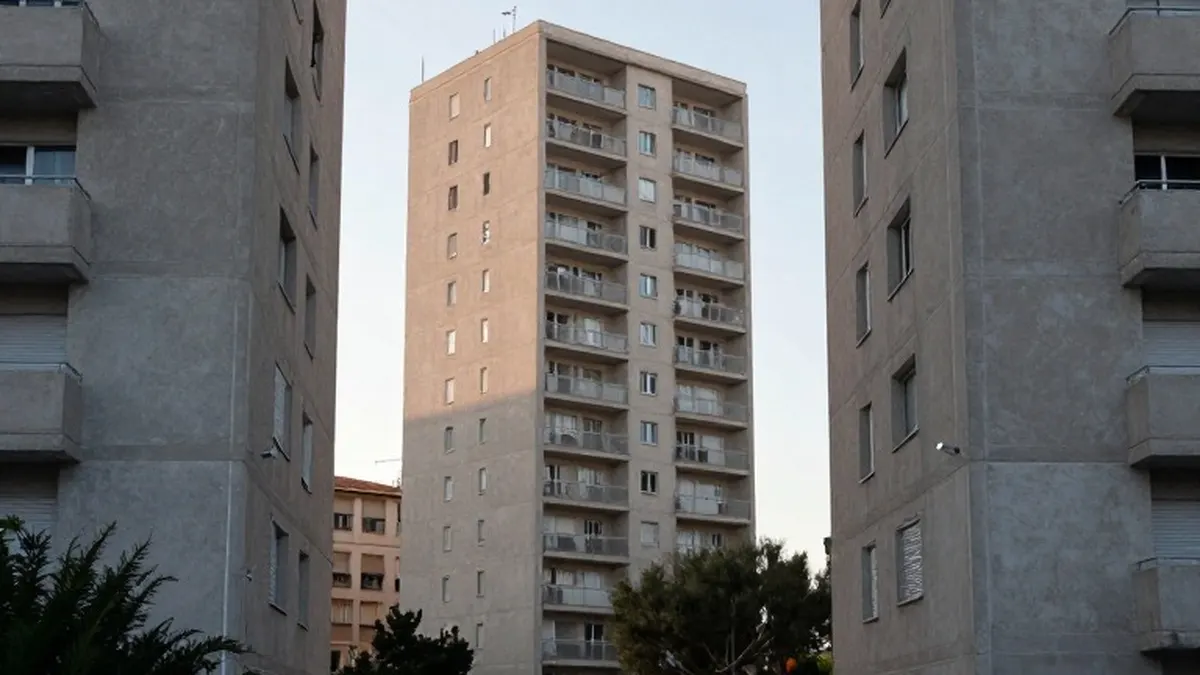
A case heard in a French court earlier this year revealed the brutality facing some recruits. Two 15-year-old boys who had approached a gang for illegal paid work were held captive on the Frais-Vallon estate in 2022 after being accused of shortages in their takings. The court heard that they suffered repeated beatings and were filmed dancing naked for blackmail. One was raped. A customer contacted police after receiving a handwritten plea for help from one of them. Both later tried to escape through a second-storey window. One escaped, while the other was recaptured, beaten and stabbed, but survived. Six men have since received lengthy sentences.
DZ Mafia, which became Marseille's most powerful gang after a violent territorial conflict, is central to the recruitment described by the BBC. Dimitri Zoulas, head of France's anti-drug trafficking unit, said it became the first French gang to turn its notoriety into a brand through video statements in 2023. One founder, French-Algerian Mehdi Laribi, was detained in Algeria earlier this year under a French arrest warrant.
The gang's expansion has coincided with growth in France's illegal drugs market. Zoulas said cocaine use was expected soon to reach two million people, compared with 600,000 in 2017. He put annual drug-smuggling revenue across France at €7 billion, with 200,000 people involved. Official figures show that more than 10,000 children were involved in trafficking in some capacity during 2025.
Social media has widened the gangs' reach beyond Marseille. The BBC found numerous advertisements seeking drivers, couriers and hitmen, often accompanied by glamorous images generated using artificial intelligence. Police say such posts reach teenagers in cities including Paris, Nantes and Lille. Officials also describe recruits who have no criminal history but face difficulties, including troubled family lives, that organisers can exploit.
A 20-year-old identified as Camil, who said he had left DZ Mafia after overseeing security in one area, described rewards ranging from cars and apartments to drugs and prostitutes. He said those benefits created loyalty, while any weakness could become a means of control. Another member, identified as Adam, spoke to the BBC from prison while awaiting trial after being implicated in several murders. Now in his twenties, he described the criminal environment he entered as a trap.
For families, the consequences extend far beyond Marseille. Karine Brouillard's son Hugo travelled south in 2023 after telling his parents he had found a restaurant holiday job. Three weeks later, a doctor told her he had arrived with a bullet wound to the head. Hugo died, and his mother still does not know why he was shot. Police suspect gang involvement. The restaurant told her it had never recruited him.
Police report that about 1,000 people associated with DZ Mafia have been arrested since 2024, with 600 incarcerated. Despite arrests and drug seizures, officials describe an increasingly difficult struggle. Zoulas warned that trafficking threatens national security and risks overwhelming the criminal justice system, while gangs continue recruiting to expand their operations and replace members who are imprisoned or killed.