Sterling Heights officials are moving quickly to determine whether a 26-mile rail line that currently hauls freight and factory parts through the city could one day carry commuters, sports fans and travelers to downtown Detroit and beyond.
The push comes with a sense of urgency. Portions of the existing manufacturing rail are actively being disassembled, and city leaders say the opportunity to repurpose the corridor could slip away if they wait. The mayor and City Council have directed City Manager Mark Vanderpool to explore the feasibility of passenger service on the line.
"This could be an opportunity whose window will start closing over the ensuing years, and we certainly don't want that to happen," Vanderpool said. "I think that would be negligent."
What sets the Sterling Heights concept apart from past transit talk in Metro Detroit is that the infrastructure already exists. The 26-mile corridor is in the ground and in use, serving manufacturing rather than passengers. The open question is whether it can be converted before sections of it are permanently removed.
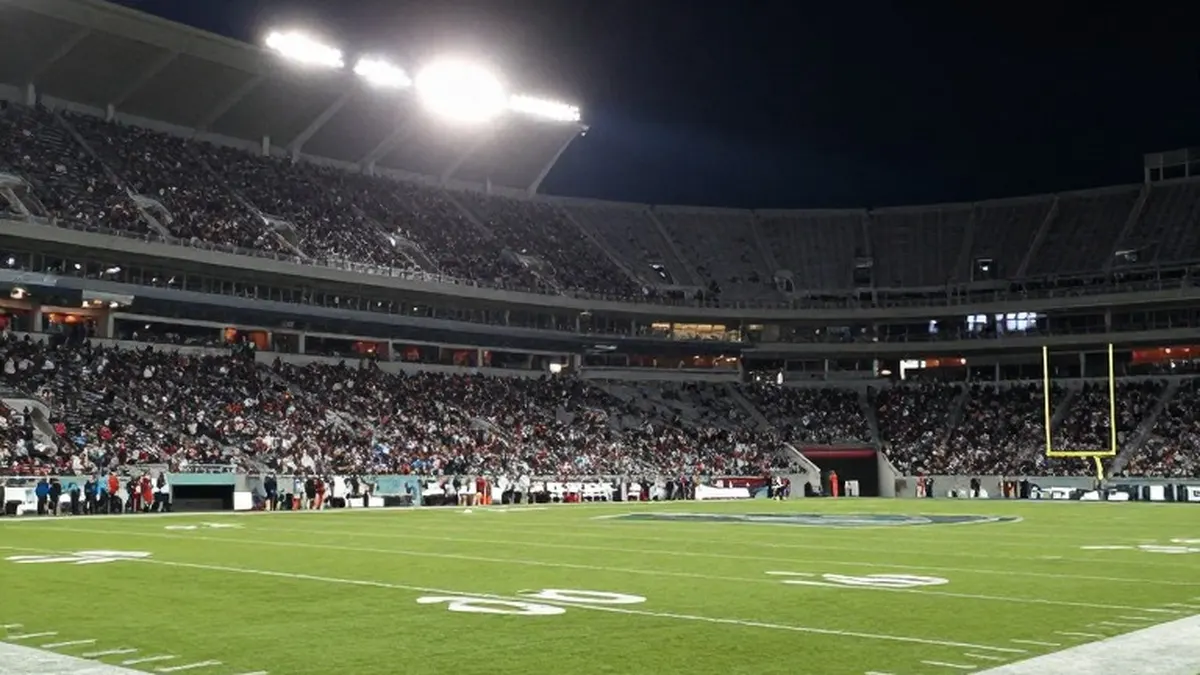
The current concept anchors on downtown Detroit, which would give northern suburb residents a direct ride to work commutes and major events such as Lions games. The vision extends further, with a possible spur to the airport for travelers and a connection to the existing Amtrak line that could put Chicago within reach without a car or a flight.
Vanderpool is framing the proposal as an economic project as much as a transit one. "We believe that this is the next phase to prosperity," he said. "Not only for our city, but for the region." He also said "the ingredients are here" to make it work, pointing to the existing corridor and the Amtrak line already running through the region.
The idea taps into long-running frustration over the region's lack of public transit. "Having no public transit anywhere in the area has always been a problem with Detroit," said David Rosseel, a Warren resident. "People that come here from out of town find it very difficult to get around because you have to know exactly where you're going at all times." One Sterling Heights man told the city the train "would be overloaded" with riders.
For now, the proposal remains in its earliest stages. No costs, routing decisions or funding sources have been confirmed. What the city is pursuing is a formal feasibility study that would analyze whether passenger rail is viable on the corridor, what it would cost and who would need to be involved. Any real plan would require coordination with neighboring cities, Macomb County, state transit authorities and organizations such as Amtrak, meaning no single city can advance the project alone.
The city's first concrete goal is to secure funding for that feasibility study within the next 6 to 12 months. Everything else, from stations and routing to construction timelines, would follow from the study's findings, as officials weigh whether they can act before the physical infrastructure that makes the idea possible disappears.