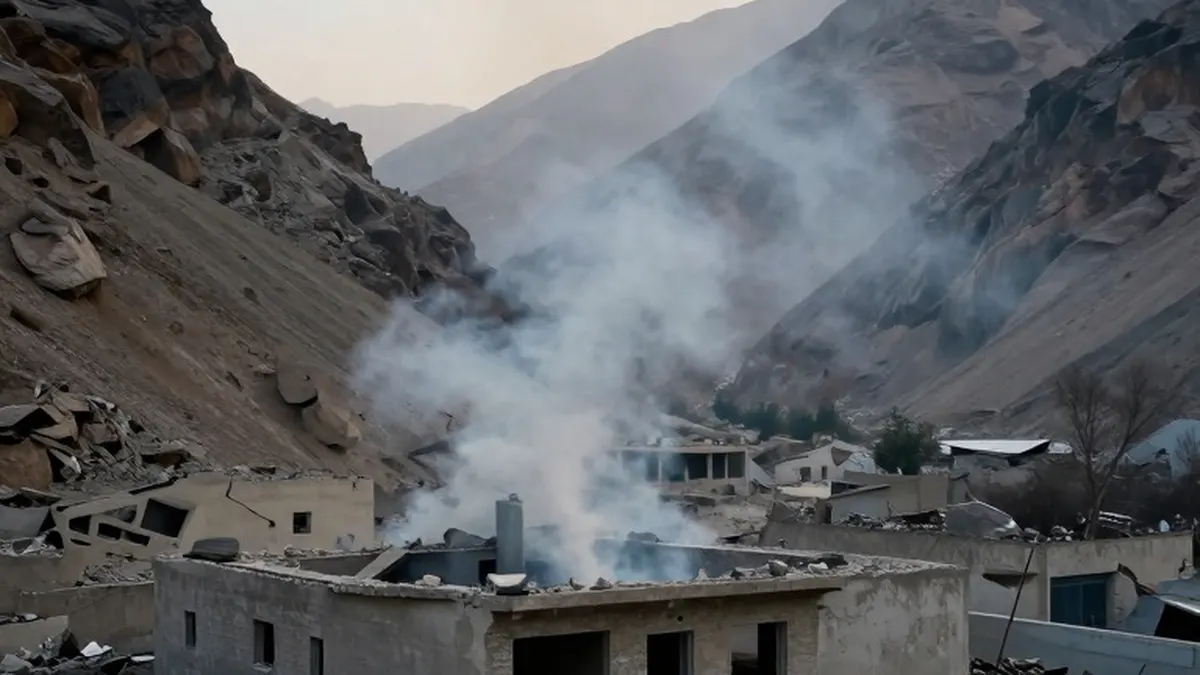
Iran carried out drone strikes against Kurdish Iranian opposition groups in northern Iraq on Wednesday, an attack seen as a possible signal that Tehran may be prepared to escalate its campaign against dissidents based across the border.
According to a report by the Kurdish media outlet Rudaw, two explosive drones struck a base used by the Komala group in the Alana valley of Balisan, roughly 90 kilometers northeast of Erbil, at around 8:45 a.m. "Despite material damage, this attack resulted in no casualties," Komala said in a statement quoted by Rudaw, adding that its forces stationed at the site were unharmed.
Komala is one of five Kurdish groups that make up a coalition opposed to the Iranian regime. The alliance also includes the Kurdistan Free Life Party (PJAK), the Kurdistan Freedom Party (PAK), the Democratic Party of Iranian Kurdistan (PDKI), and several branches of Komala itself.
Ali Ranjbari, the head of Komala's relations, described the strike as an "Islamic Republic's drone attack on Komala Peshmerga" and accused Iran's Islamic Revolutionary Guard Corps of being behind it. He framed the incident as part of a broader Iranian effort to spread the conflict into Iraq and to pre-empt any Kurdish uprising.
The strike fits a long pattern. There have been more than 1,000 attacks by Iran targeting the Kurdistan Region of northern Iraq, carried out with both drones and missiles.
In a separate incident, a strike damaged a house in Tawella, in Halabja province, early on Tuesday morning. A security source told Rudaw the property sustained extensive damage, though no casualties were reported. "We don't know what happened. We haven't seen any debris. Our house sustained heavy damage; our glass, doors, and windows are all broken," homeowner Alwan Abdullah told the outlet.
The attacks form part of a wider Iranian campaign against Kurdish opposition organizations that have maintained bases and facilities in northern Iraq for decades. Groups such as Komala and the PDKI have historically opposed the Iranian regime and maintain networks among Kurdish communities on both sides of the border, and many Kurds have fled Iran over the years. Tehran has pressed Iraq to expel the dissident groups.
The Iranian strikes, which have occurred in the past, have intensified since the United States and Israel launched strikes on Iran on February 28. The escalation places the Kurdistan Regional Government in a difficult position: the autonomous region maintains close relations with Western countries while sharing a long border with Iran, and its leadership in Erbil has been critical of the Kurdish Iranian groups, wary they could drag the region into conflict.
Last month, Iran's ambassador to Iraq, Mohammed Kazem Al-e Sadegh, claimed Baghdad had agreed to expel Kurdish Iranian opposition organizations or hand their members over to Tehran. An Iraqi official who attended the security meeting disputed that claim, according to Rudaw, and it remains to be seen what may happen next.