Iranian authorities are tightening domestic security measures amid threats of a broader wave of US attacks, warning of severe punishment for antigovernment protests and stepping up controls in public spaces. The tougher approach follows months of more relaxed enforcement of some social restrictions, including rules governing dress, as officials seek to reinforce the principles of the Islamic Republic.
On Sunday, the judiciary announced the execution of three young men arrested during nationwide protests in January. They were accused of attacking government offices and damaging public property near Tehran to benefit the United States and Israel. The Norway-based Hengaw Organization for Human Rights says Iran has executed at least 79 political or religious prisoners this year, including 40 detained during the January demonstrations.
Authorities describe those protests as an attempted coup involving terrorists linked to Washington and Israel. An independent United Nations fact-finding mission, however, concluded that authorities committed crimes against humanity during the crackdown. Human rights groups said thousands were killed, mainly on January 8 and 9. Rights organisations based abroad have also reported allegations of torture, coerced confessions and failures of due process in political cases leading to executions.
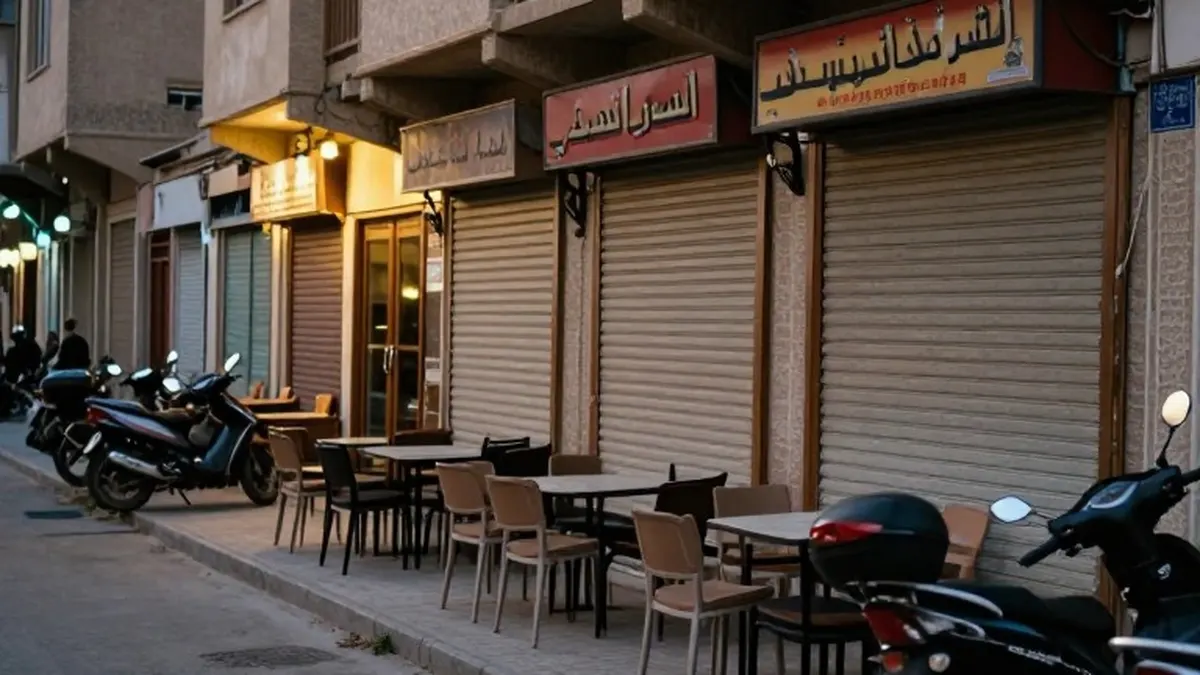
The increased scrutiny of public gatherings was evident on Tehran’s Iranshahr Street on October 30, when hundreds of predominantly Gen Z Iranians gathered in costumes or makeup to celebrate Halloween. Within hours, motorcyclists and plainclothes security personnel dispersed crowds and closed cafes. Assaults and arrests were reported, while people in nearby Artists Park were reportedly told to leave. Officials made no public comment on the incident.
Pro-government booths and stations have since appeared on the same street, with supporters waving flags and chanting slogans praising the government. Such demonstrators have occupied streets and squares across Tehran since the war began. Under the Janfada campaign, some receive weapons training and other assistance to serve with the Basij, the domestic paramilitary force of the Islamic Revolutionary Guard Corps that has been deployed against antigovernment protests.
Restrictions on women’s clothing remain another point of tension. Since the Mahsa Amini protests of 2022 and 2023, growing numbers of women have appeared without headscarves in Tehran and other cities despite the mandatory dress code. Hardline media figure Hossein Shariatmadari has portrayed loose hijabs as an instrument of enemy influence. Political scientist Ali Alfoneh said earlier easing of enforcement on some social issues partly served to divert people from political activism, while repression remained focused on political freedoms and antigovernment uprisings.
Local media offered differing responses to the Halloween crackdown. The reformist Shargh newspaper urged policymakers to examine public preferences and offer appealing cultural activities. Rouydad24 questioned treating young people’s cultural choices as security concerns. The ultraconservative Keyhan newspaper argued that Halloween reflected cultural alienation and weakened familiarity with traditions such as Nowruz.
Mahjoob Zweiri, director of Qatar University’s Gulf Studies Center, said authorities had mobilised both IRGC members and civilian supporters committed to the government’s survival. He said the prospects for further nationwide protests would partly depend on whether Iran and the US reach a negotiated settlement or enter a more destructive conflict. Some Iranians, he noted, fear that protesting during the war could be interpreted as siding with foreign powers attacking their country.