Israeli authorities have reportedly directed their military forces to enhance their readiness for possible operations against Iran. According to reports from Israeli media on Wednesday evening, the security cabinet, led by Prime Minister Benjamin Netanyahu, issued these directives to prepare for a potential attack on Tehran.
KAN, the public broadcaster, noted that the instructions given to the military could lead to activities that might trigger a broader war. These internal directives became public after Gadi Eisenkot, the leader of the Israeli opposition, issued a statement. Eisenkot urged Netanyahu, who is currently serving in a caretaker capacity, to avoid deploying the military without a direct and immediate threat until a new government is established.
The political context for these moves is significant, as Israeli President Isaac Herzog offered Eisenkot the opportunity to form a new government over the weekend. This decision followed the loss of parliamentary majority by Netanyahu’s ruling coalition in the October elections. Netanyahu, who faces the prospect of losing power, has maintained a firm stance that the war against Iran will continue until the government in Tehran collapses.
Amidst intense diplomatic efforts to prevent further conflict, US President Donald Trump stated he is prepared to resume war if the diplomatic track proposed by Qatar fails to yield a deal between Washington and Tehran. In response, Iranian security chief Mohsen Rezaei posted on social media that if the US launches another war, every military base involved in the aggression, from West Asia to Europe, would become a legitimate target for Iranian strikes.
Rezaei emphasized that there would be no safe distance, no safe haven, and no immunity for those involved. Al Jazeera correspondent Resul Serdar Atas, reporting from Tehran, indicated that Iranian leadership is debating whether to appoint the hawkish Rezaei as the new chief negotiator. Atas noted that voices in Tehran suggest Iran might take pre-emptive action if the current status quo persists for too long.
Mohammad Bagher Ghalibaf, the current lead negotiator and speaker of the Iranian Parliament, told Al Jazeera in an exclusive interview that the Strait of Hormuz will never return to its pre-war status. He described the current state as one of "no war, no peace" and said Iran aims to move beyond this through sustainable deterrence if negotiations fail. Ghalibaf added that the ball is now in the American court and that a lack of trust in the United States is the primary obstacle to an agreement.
In Washington, Al Jazeera’s Alan Fisher reported that President Trump continues to justify the war with Iran, claiming it will end soon. US Secretary of State Marco Rubio stated that the administration’s economic pressure campaign against Iran is proving effective, making large-scale military operations unnecessary unless Iran crosses specific red lines. Fisher noted that the White House’s key priority is to position Trump to declare victory, though there is clear movement behind the scenes toward a settlement.
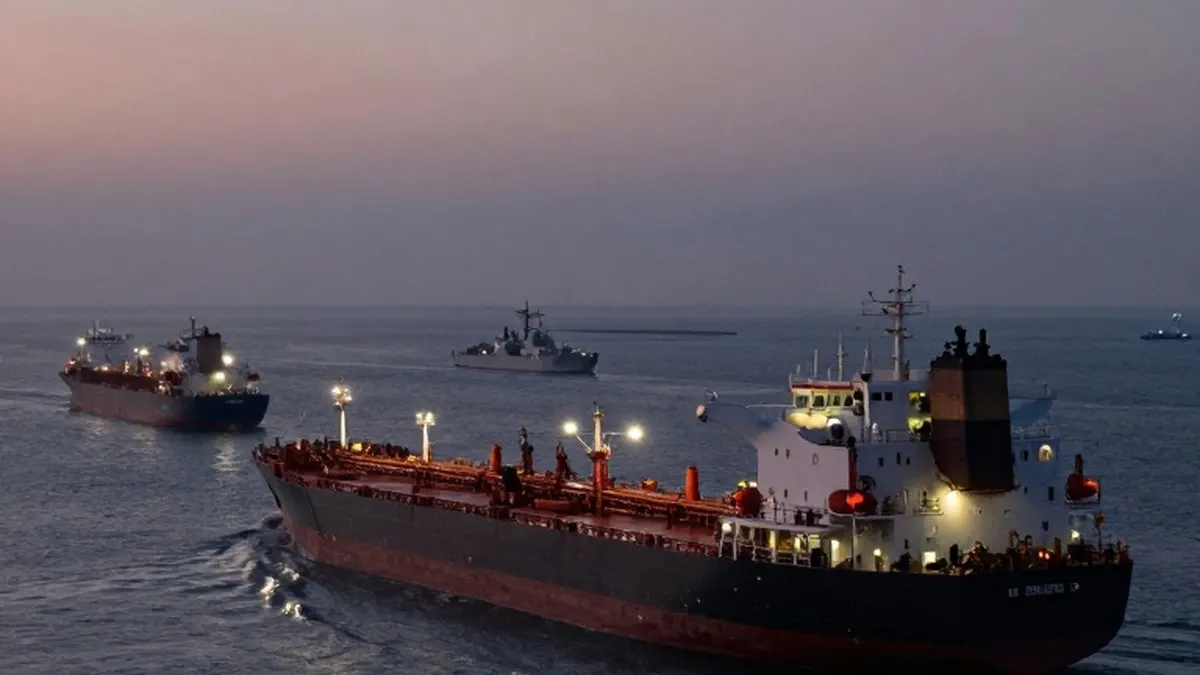
Despite diplomatic pushes, the US Central Command reported that American forces are working around the clock to keep the Strait of Hormuz open for commercial shipping. They are strictly enforcing a naval blockade described as ironclad. Oil markets reacted to the geopolitical tension, with prices rising slightly on Wednesday after Tehran rejected a US proposal to transfer its stockpile of 60 percent enriched uranium to a third country.
Brent futures settled 1.39 percent higher at $92.76, while US West Texas Intermediate crude gained 0.57 percent to $86.53. This slight increase followed a previous session where oil prices had initially dropped by more than $3 a barrel after US officials downplayed the need for further strikes. Prices later recovered some of those losses after an Iranian official confirmed that no talks were currently taking place between the two sides.