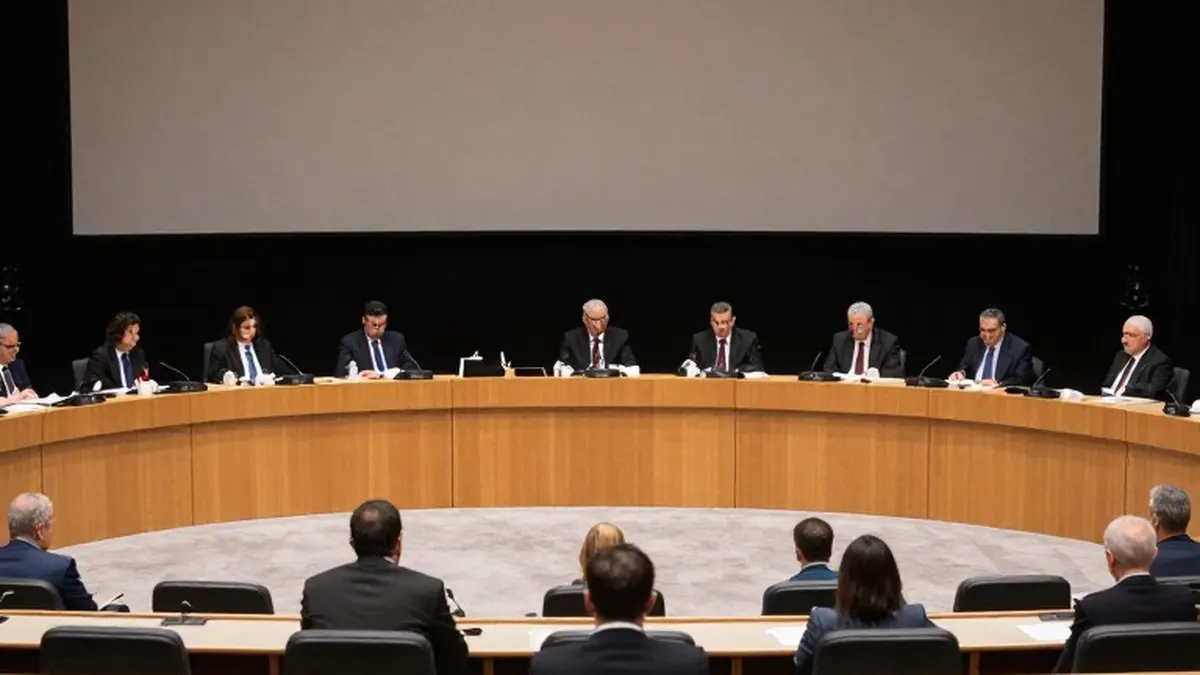
Turkish President Recep Tayyip Erdogan accused Israel of causing environmental devastation in Gaza during an address Wednesday to the UN climate summit in Antalya, Turkey. Speaking to world leaders and climate representatives at COP31, he urged recognition of the war’s environmental consequences, describing events in Gaza as both genocide and ecocide. Israel strongly denies the genocide allegation.
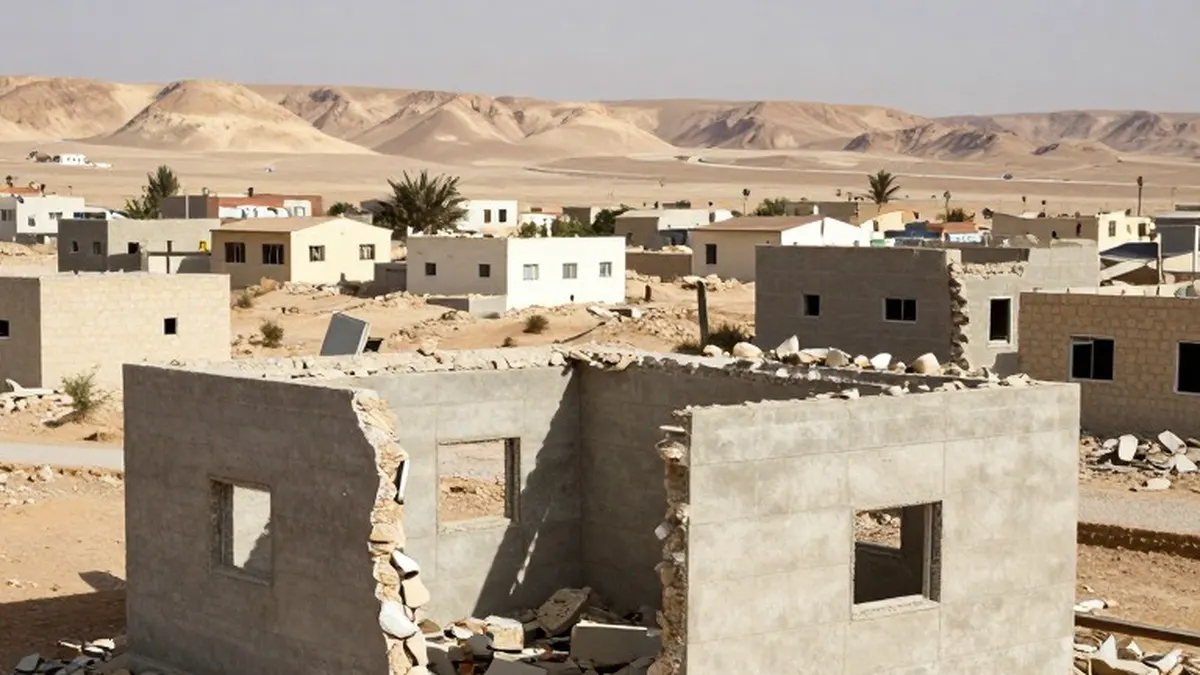
Erdogan said the conflict had destroyed olive trees that were centuries old, contaminated soil and water, and reduced cities to rubble. He also said damage to Gaza’s infrastructure had worsened the effects of heavy rain and flooding, leaving tens of thousands of tents and shelters inundated.
Israel, which had not been invited to the summit, sharply rejected his remarks. In a post on social media, its Foreign Ministry accused Erdogan of exploiting an international gathering to promote an anti-Israel “campaign of lies.” The ministry said Hamas bore responsibility for Gaza’s destruction because it began the war with the October 7 massacre and placed military infrastructure in civilian areas. It called for Hamas to disarm so reconstruction could start.
The exchange followed earlier confrontations between Erdogan, a supporter of Hamas and frequent critic of Israel, and Prime Minister Benjamin Netanyahu. Netanyahu has described the Turkish president as an antisemitic “tyrant.” Addressing the UN General Assembly in September, he also accused Turkey of spreading antisemitic falsehoods.
Iranian President Masoud Pezeshkian used his own speech at the climate conference to accuse the United States and Israel of extensive environmental harm during attacks on Iran. He said the strikes had sent large amounts of pollutants and greenhouse gases into the atmosphere and called for mechanisms to hold both countries accountable.
According to Pezeshkian, attacks on fuel facilities at a major gas field in southern Iran released approximately 500,000 tonnes of carbon dioxide. He attributed a further one million tons of emissions to a strike on fuel depots near Tehran, which he described as deliberate.
The details of those accusations could not be independently verified. Several oil spills have nevertheless been detected off Gulf countries’ coastlines. Iran’s Foreign Ministry previously attributed the pollution to US military activity in the region, although both Iran and the United States have attacked tankers in the Strait of Hormuz while attempting to enforce separate blockades.
Pezeshkian arrived in Antalya on Wednesday, and Iran’s state news agency IRNA reported that he had already met several leaders from countries attending the summit. The Middle East war began on February 28 with US and Israeli strikes that killed Iran’s supreme leader, Ayatollah Ali Khamenei. Iran subsequently fired missiles and drones at countries around the region, while armed groups it supports in Lebanon, Yemen and Iraq also joined the fighting.