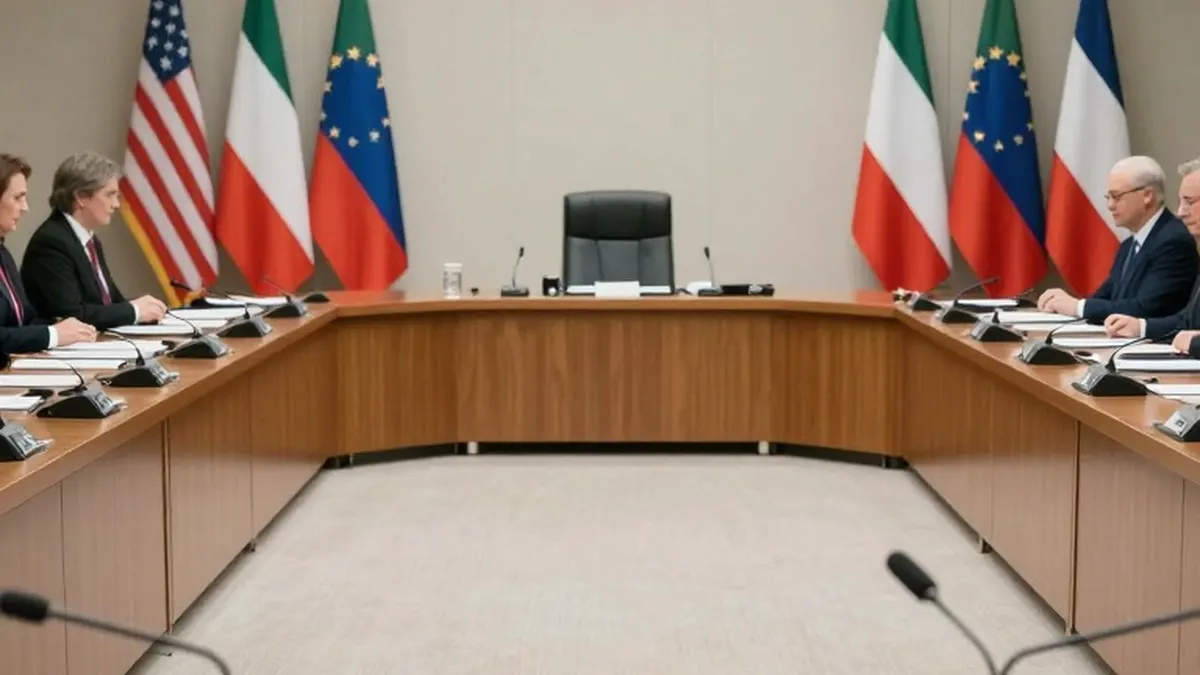
US Secretary of State Marco Rubio declared on November 10, 2026, that President Donald Trump considers Israel sufficiently wealthy to purchase American weaponry without the support of US military financing. Speaking to reporters during the G7 meeting in Paris, Rubio indicated that the administration aims to transition this arrangement into effect in the near future.
Rubio explained that the president desires the financing component of the aid to conclude as quickly as possible. He noted that while negotiations are ongoing regarding the memorandum of understanding, the core expectation is that Israel is now prosperous enough to function as a sales country. Under this model, Israel would buy weapons directly from the United States, but Washington would no longer provide the necessary funding.
The current framework for this assistance is a ten-year memorandum of understanding that provides Israel with $3.8 billion annually. This agreement is scheduled to expire at the end of September 2028. Prime Minister Benjamin Netanyahu had previously expressed a desire to move Israel off US aid over a ten-year period. However, Trump recently stated that an agreement exists for the aid to cease by the end of the current year, a timeline that surprised many senior officials in both countries.
Trump suggested that his push to end the aid is partly driven by a desire to limit criticism from those who argue that Washington gives more to Israel than to any other nation. Rubio affirmed that Israel can certainly exit the aid program by the end of the year if it chooses to do so. He also highlighted that Israel produces its own weaponry, meaning future negotiations could include provisions for co-production of certain items.
The president’s assertion that aid would end by year's end appeared inconsistent with the existing ten-year memorandum, which remains in force for nearly two more years. The US currently spends more on military aid for Israel than it does for any other country. The memorandum, which took effect in 2019, mandates that the majority of the funds be spent on weapons manufactured within the United States.
Historical data from the Council on Foreign Relations indicates that since its founding in 1948, Israel has received over $300 billion in US economic and military assistance, adjusted for inflation. This total is significantly higher than the amount received by any other country since 1946. The US commitment to provide billions in annual military assistance to both Israel and Egypt was established when the two nations signed their US-brokered peace treaty in 1979.
Although US aid once constituted a large portion of Israel’s military expenditure, that percentage has declined in recent years as the Israeli economy has grown. Under the 2025 budget, the Defense Ministry’s budget reached a record high of NIS 110 billion, which is approximately $29 billion. This figure represents a portion of the total defense budget, which stands at NIS 136 billion, or about $36.9 billion.
The push to end aid is also influenced by frustrations experienced during the war in Gaza. Several allies, including the Biden administration, halted or delayed arms supplies during that period. The previous administration held back the transfer of certain munitions due to concerns that they might be used in ways causing undue harm to Palestinian civilians.