Iran’s chief negotiator with the United States portrayed the sweeping Republican losses in the midterm elections as a rejection of President Trump’s war against Iran and the financial pressures associated with it. His response also included a warning about the consequences of a return to open conflict.
Mohammad Bagher Qalibaf, who serves as speaker of Iran’s Parliament and leads negotiations with Washington, wrote on X that Americans had opposed the war, whether motivated by conscience or living costs. He endorsed that position and threatened a severe response if the U.S. government renewed hostilities despite what he characterized as the public’s wishes.
Trump acknowledged that the Iran conflict had contributed to the backlash against Republican candidates. Speaking to The Wall Street Journal on Tuesday evening, he described the war as one element of the election outcome.
Voters placed the conflict itself relatively low among the issues influencing their decisions, but linked high gasoline prices and inflation to the war. Affordability ranked as their leading concern on Tuesday. A September report from the Chicago Council on Foreign Affairs found that about 86 percent of Americans broadly regarded the U.S. war with Iran as harmful to the country’s cost of living.
Before the election and on election day, Trump downplayed the prospect of restarting military operations against Iran. At the same time, the United States continued conducting limited strikes, expanded its military presence in the region and had the Pentagon prepare possible strike options. In a Tuesday interview with the Financial Times, Trump said U.S. forces were prepared to act if necessary, while suggesting further action might not be needed.
Iranian officials, meanwhile, indicated that substantial differences persisted in negotiations with Washington. A senior Iranian official told Reuters that the United States would have to satisfy Tehran’s conditions for reopening the Strait of Hormuz.
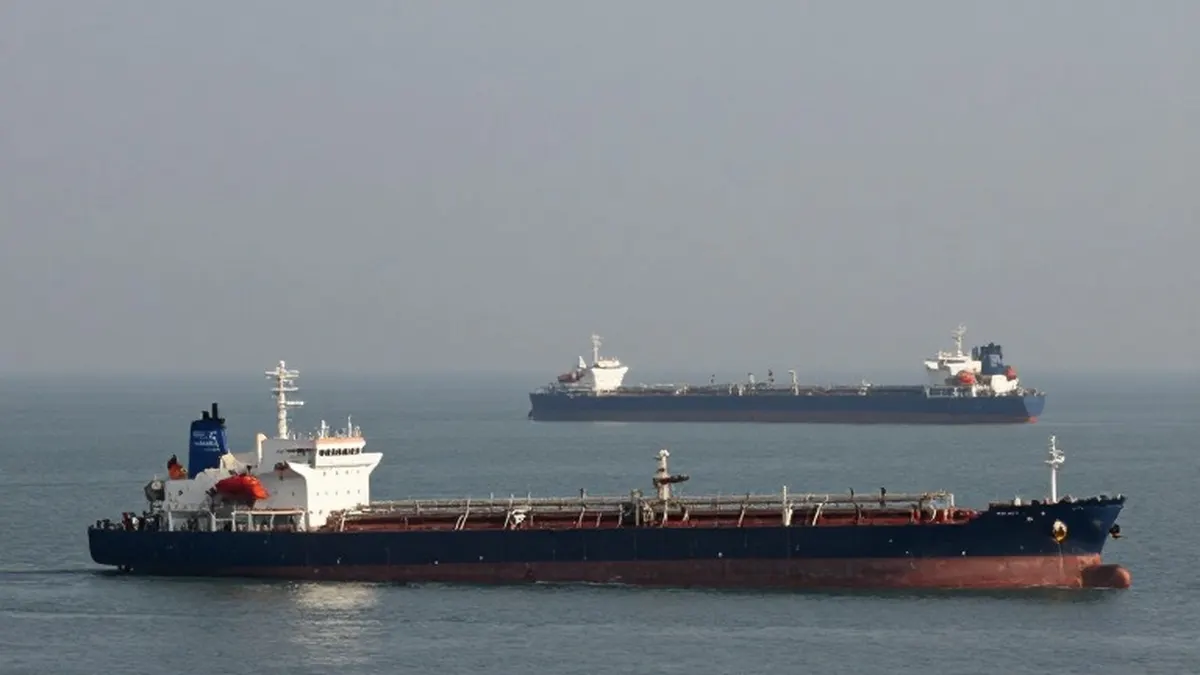
Those demands include waiving oil sanctions, lifting the U.S. naval blockade and freeing frozen Iranian funds. Iran has restricted passage through the waterway in retaliation for the U.S. war. The resulting disruption to energy shipments through the strait has driven sharp increases in energy prices worldwide.
Despite the distance between the two sides, diplomatic efforts were continuing. The senior Iranian official told Reuters that mediators were working intensively to reduce the differences between Tehran and Washington.