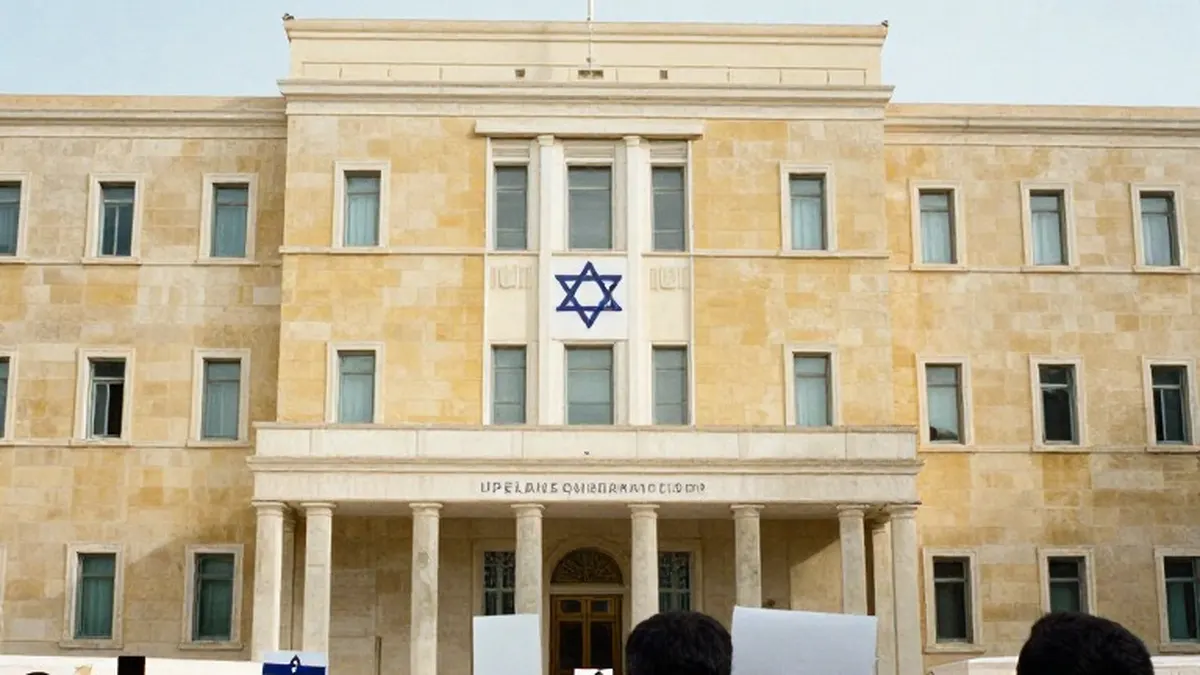
Israeli Prime Minister Benjamin Netanyahu stated on Sunday that his administration intends to move forward with its controversial plans to restructure the country's judicial system. This decision comes after diplomatic efforts to reach a compromise solution between the government and opposition groups appeared to be failing.
The proposed overhaul has plunged Israel into one of its most severe domestic crises in recent history. Earlier this year, mass protests erupted in response to the initial announcement of the reforms. Although negotiations between the ruling coalition and opposition parties initially helped to ease the tension by seeking a middle ground, those talks were disrupted last week.
The recent impasse centered on the powerful regular committee responsible for selecting the country's judges. Opposition leaders declared that negotiations were frozen until this committee was fully formed. During a Cabinet meeting on Sunday, Netanyahu argued that the opposition had not been negotiating in good faith. He confirmed that his government would proceed with the overhaul cautiously, citing the mandate received to correct the justice system.
Netanyahu, who had paused the plan in March following widespread demonstrations, said the government would begin practical steps this week in a measured and responsible manner. The decision to resume the process is expected to reignite tensions and energize the protest movement, which has continued to demonstrate every Saturday despite the earlier pause.
Leaders of the protest movement expressed readiness for another round of demonstrations. They vowed to ensure that every attempt to harm what they describe as Israel's democratic justice system would fail. Meanwhile, Yair Lapid, the opposition leader whose party had been engaged in talks with Netanyahu, warned that unilateral action would critically harm the economy, endanger national security, and divide the Israeli people.
The governing coalition, composed of ultranationalist and ultra-religious parties, has faced significant resistance to the overhaul since it was announced. Leading economists, top legal officials, and former defense officials have all warned of dangerous consequences for the nation's future. Even the United States, Israel's chief international ally, has expressed concern over the proposed changes.
The government maintains that the plan is necessary to restore power to elected officials and to weaken an interventionist Supreme Court. Conversely, critics argue that the reforms would upend the country's delicate system of checks and balances, potentially pushing Israel toward authoritarianism.
Netanyahu initially backed down from the plan after spontaneous mass protests and a general strike were called. This shift occurred after he fired his defense minister, who had dissented from the plan, amid widespread threats from military reservists to skip duty if the overhaul was approved. The judge-appointment committee has remained a central point of contention throughout these events.
Traditionally, both the governing coalition and the opposition are represented on the nine-member committee that approves the makeup of the Supreme Court. However, proponents of the overhaul had demanded that the coalition control both positions on the committee. This demand drew accusations that Netanyahu and his allies were attempting to stack the judiciary with allies.
Last week, the Parliament appointed the opposition representative to the committee, but the second vacancy associated with the coalition was not filled. This gap prompted a delay in when the committee could resume its work. Both sides have accused the other of causing the breakdown in talks based on the results of these committee appointments.