Israel has not received an invitation to the COP31 climate summit currently being hosted by Turkey. Murat Kurum, the Turkish Environment Minister who is presiding over the conference, confirmed the exclusion on Tuesday. He stated that the host country chose not to send an invitation due to Israel's ongoing actions in Gaza. Kurum emphasized that climate justice and peace are interconnected, noting that true climate justice cannot exist without peace prevailing.
Zaghloul Samha, chairman of the Palestinian Environment Quality Authority, described the decision as a political matter rather than a technical one. This exclusion occurs while nearly 200 nations engage in negotiations aimed at reaching agreement on a Turkish proposal. The proposal seeks to increase the proportion of electricity in global energy consumption and to restart stalled initiatives aimed at reducing reliance on fossil fuels.
Despite the primary focus on climate policy, statements from world leaders have increasingly highlighted geopolitical conflicts. This shift has raised concerns that political disputes are overshadowing the critical climate discussions. Luiz Inacio Lula da Silva, President of Brazil, which hosted the previous conference, remarked that the momentum generated last year has faded. He observed that global leadership is now discussing weapons and tariffs more frequently than the survival of future generations, warning that the planet should not be subject to hegemonic struggles.
UN Secretary-General Antonio Guterres addressed world leaders earlier in the day, warning that the international community's slow response to climate change is leading the world toward destruction. He called for urgent action to prevent the worst consequences. A recent United Nations report indicated that global temperatures are on a trajectory to exceed the 2.7 degrees Fahrenheit warming limit established by the Paris Agreement.
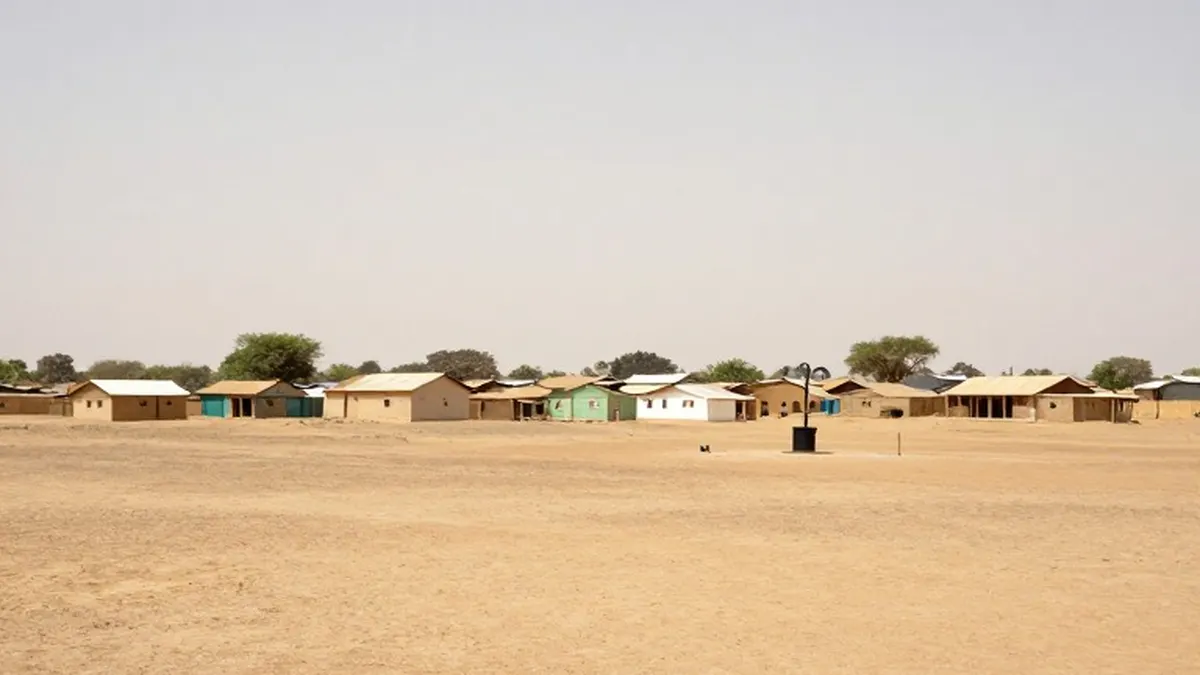
Turkish President Recep Tayyip Erdogan also used the platform to criticize Israel regarding the humanitarian situation in Gaza. He accused the Israeli government of preventing the delivery of containers to displaced Palestinians. Erdogan pointed to recent rains that had flooded temporary shelters, asking rhetorically if the displaced people were not human. He noted that while Turkey wanted to send containers, permission had not been granted.
In response to criticism regarding weather conditions affecting temporary shelters, the Israeli Defense Forces confirmed earlier this week that 91,000 tents and more than 8,200 trucks carrying winter supplies had entered Gaza. This logistical effort followed complaints from Hamas about the damage caused by the weather to existing tents.
Domestically, Greenpeace Israel criticized the government's fossil fuel policies during the summit. The organization accused the state of opening the Mediterranean Sea to additional gas companies, thereby endangering the environment and climate targets. This criticism followed an announcement by the Energy Ministry on Monday that Murphy Oil, an American company, would join gas exploration efforts in the Mediterranean. The ministry granted six new licenses to Murphy Oil and the Israeli firm Ratio.
Greenpeace Israel stated that although Israel is absent from the conference, the decisions made will impact its future. The organization highlighted that the conference serves as a key tool for governments to decide on emission reductions and financing for climate impacts. In a year marked by war with Iran and geopolitical tensions, the group sees the conference as an opportunity for renewed change. It emphasized the importance of transitioning from fossil fuels to renewable energy and protecting vulnerable communities.
While Israel was not invited and the United States was not in attendance, Iranian President Masoud Pezeshkian was present at the summit. According to an Iranian government announcement on Wednesday, he used the occasion to raise Tehran's grievances against Israel and the United States. Pezeshkian stated that the meetings would discuss the legitimate positions of Iran and the crimes committed by the US and Israel in the region. He noted that the consequences of these actions have been witnessed in elections within those countries, as well as in Europe, where results have often contradicted the wishes of those he described as warmongers.
The summit continues to navigate the complex intersection of environmental policy and international relations, with leaders from various nations weighing in on both the climate crisis and the ongoing regional conflicts.