Experts tell Al Jazeera that Israel's ongoing military operations in Lebanon have significantly damaged the country's wheat sector, with lasting consequences for local farmers. For the past three years, Israeli forces have occupied large portions of southern Lebanon, destroying homes and critical infrastructure in what analysts describe as a deliberate strategy to render the land uninhabitable.
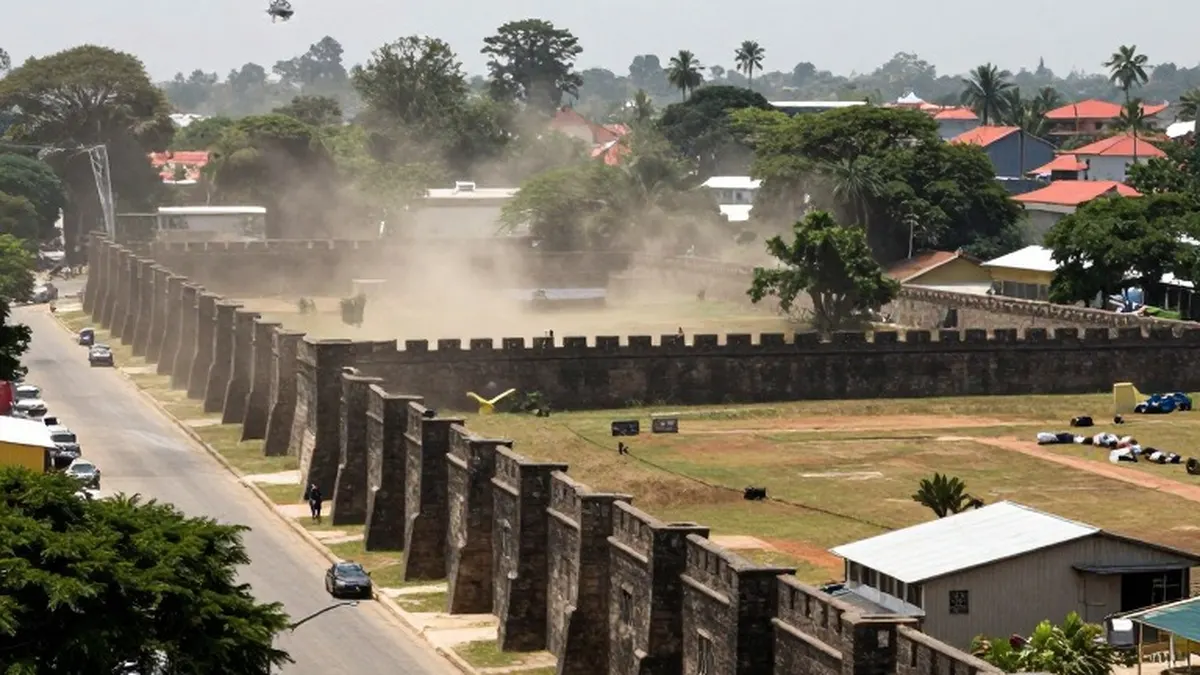
The repeated attacks have created havoc in key agricultural regions, particularly in the south and the Bekaa Valley in eastern Lebanon. Due to the impact of the war, the amount of land abandoned by farmers has risen to approximately 24 percent. Munira Khayyat, an author specializing in the ecology of southern Lebanon, stated that the conflict is disrupting entire ecosystems, thereby advancing the risks of drought and desertification and weakening the land's capacity to sustain life.
Since 2023, Israeli forces have targeted large areas of southern Lebanon, including the use of chemicals such as white phosphorus. Local residents and analysts suggest these actions were intended to make the ground sterile. Although a ceasefire was brokered by France and the United States in 2024, attacks on Lebanese targets continued without interruption.
The conflict escalated again on March 2 of this year, marking the second major surge in under two years. This escalation followed Hezbollah's attack on Israel, which the group said was a response to near-daily ceasefire violations and the assassination of Iran's Supreme Leader Ayatollah Ali Khamenei two days prior to the strike. Since this escalation, Israel has reinvaded southern Lebanon, pushing its territory up to 10 kilometers inside the country.
In June, Beirut and Tel Aviv signed a US-brokered framework agreement designed to establish pilot zones. Under this plan, Israeli troops were to withdraw and be replaced by the Lebanese Armed Forces, which would also work to disarm Hezbollah. However, Israeli forces have continued to level destruction in the south, detonating homes and crucial infrastructure, including farmland.
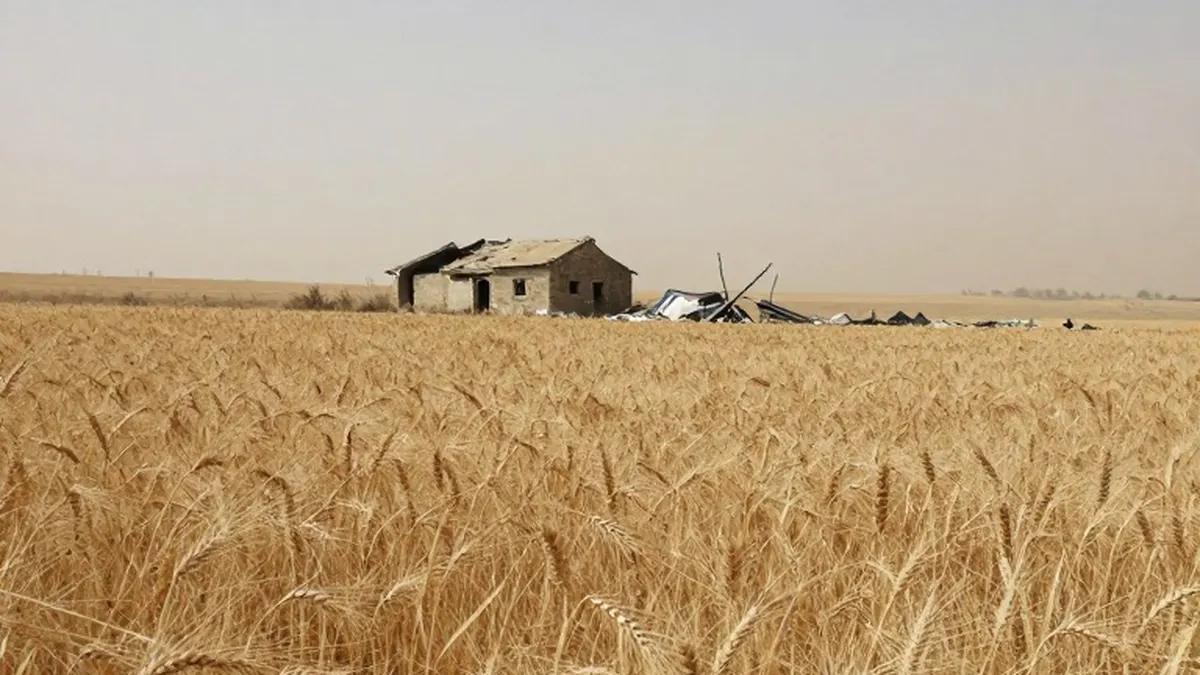
Mariam Ibrahim, a researcher with Lebanon's National Council for Scientific Research, provided data from a recent paper titled Wheat in Crisis. Her study tracked wheat struggles from 2017 to 2025 and found that the south experienced the highest average losses in wheat-growing areas. These losses reached 47 percent in the 2023-2024 season and 61 percent in the 2024-2025 season.
The Bekaa plain, which contributes approximately 64 percent of Lebanon's national wheat production, was also significantly affected. The study indicates that this region lost around 43 percent of its wheat area in the first season and 57 percent in the second. In specific border areas, the damage was severe. In the town of Bint Jbeil, 100 percent of cropland was destroyed, while in the Baalbeck district to the east, approximately 32 percent of cropland was lost.
Ibrahim noted that the war between Russia and Ukraine had previously increased bread prices, which incentivized some domestic production in Lebanon. The depreciation of the Lebanese pound meant farmers could potentially earn higher revenues in local currency when selling wheat, as prices were influenced by international markets. This economic incentive led to the peak of Lebanon's wheat cultivation area during the 2022-2023 season.
However, the war reversed this trend. Elias Ghadban, a food security expert with the Beirut-based consultancy AgriDev, explained that while the destruction of wheat land has not made a significant difference at the national level, it has had a damaging effect on southern farmers who lost their livelihoods. He pointed out that the cost of living has increased in Lebanon, while salaries have failed to keep pace, raising the expenditure required for basic needs.
The combination of the economic crisis and three years of war has devastated many farmers, especially since much of southern Lebanon's farmland is largely unindustrialized. Experts warn that the destruction could prevent farmers from rebuilding their livelihoods even after the fighting ends. Khayyat warned that the small farmers who have maintained the southern land through their attachment to it and existential need to farm it are at risk of being broken by the ongoing conflict.